
Introduction
The shelf life of packaged food plays an important role in maintaining product quality, safety, freshness, and consumer satisfaction. Whether it is a ready-to-eat snack, fruit-based drink, or packaged beverage, every product has a limited period during which it retains its expected characteristics under specified storage conditions. Understanding the factors affecting food shelf life helps manufacturers develop better preservation methods, select suitable packaging materials, and maintain consistent product quality.
Food shelf life depends on several elements, including ingredients, processing methods, packaging materials, temperature, humidity, and storage practices. By managing these factors effectively, food manufacturers can reduce spoilage, minimise product losses, and deliver reliable products to consumers.
Key Factors Affecting the Shelf Life of Packaged Food and Beverages
Quality of Raw Materials and Ingredients
The quality of raw materials directly influences the shelf life of finished food products. Fresh fruits, vegetables, dairy ingredients, grains, and other food components must meet appropriate quality and safety requirements before processing. Contaminated, damaged, or poor-quality ingredients can introduce microorganisms and accelerate deterioration.
For packaged beverages, ingredient quality is particularly important because fruit pulp, juice concentrates, flavouring agents, and other components can influence product stability. Selecting suitable ingredients and maintaining proper handling practices are essential steps in improving food shelf life.
Processing and Food Preservation Techniques
Food processing methods significantly influence how long a product remains safe and maintains its expected quality. Techniques such as pasteurisation, sterilisation, dehydration, refrigeration, and other controlled preservation methods help reduce microbial activity and slow down deterioration.
The appropriate method depends on the product formulation, ingredients, acidity, moisture content, and intended storage conditions. For example, heat treatment is commonly used in beverage manufacturing, while dehydration helps preserve products by reducing moisture availability. Selecting suitable food preservation techniques helps manufacturers achieve the required product stability without unnecessarily affecting taste, texture, or nutritional characteristics.
Food Packaging Materials and Their Properties
Effective food packaging plays a crucial role in preserving freshness, maintaining product quality, and extending shelf life. Suitable packaging materials protect products against moisture, oxygen, light, dust, and external contamination. The selection of packaging should depend on the product's characteristics and storage requirements.
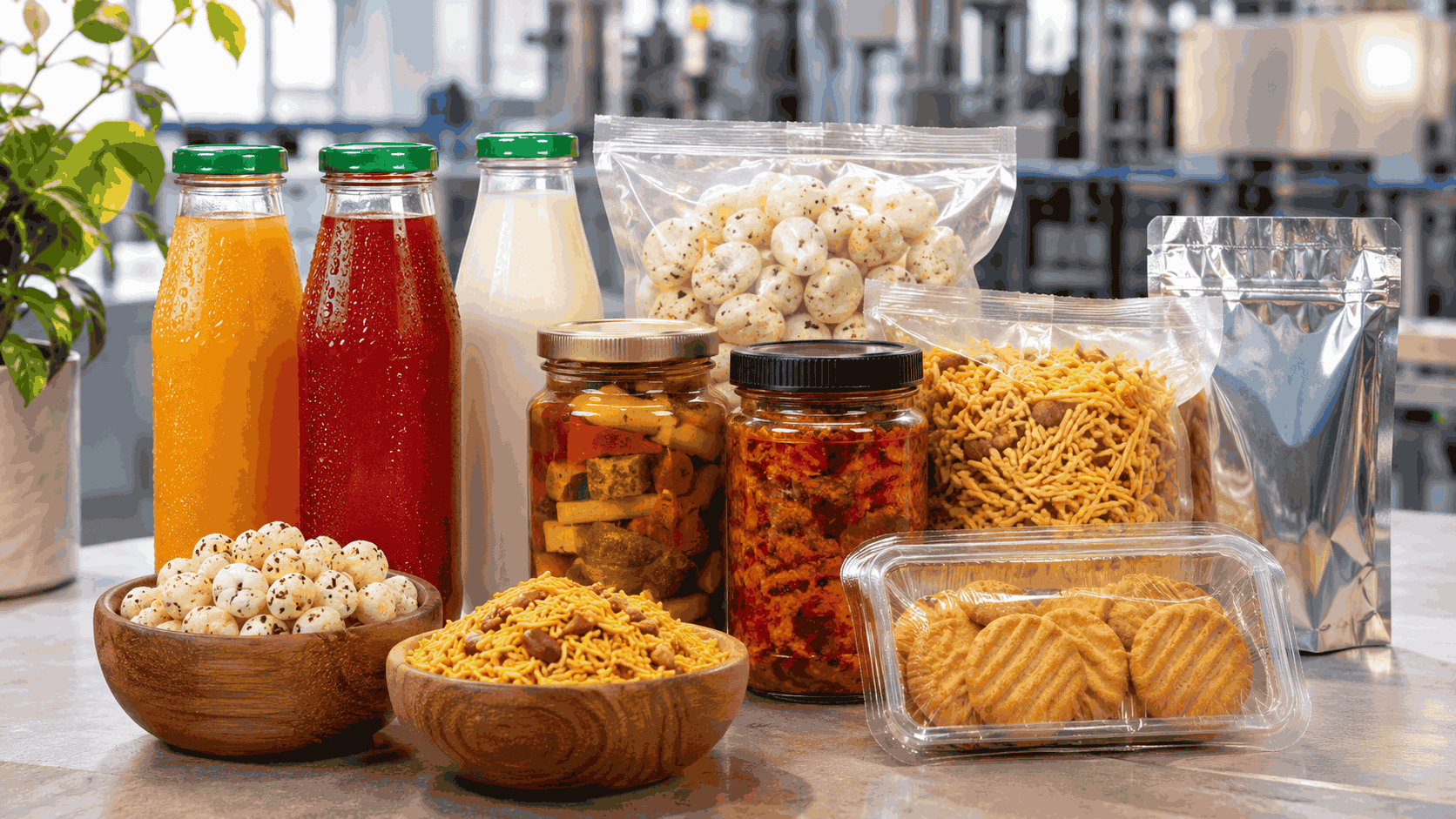
Glass bottles, plastic containers, laminated pouches, and other food-grade packaging materials offer different protective properties. For beverages, packaging must also be compatible with the formulation, processing temperature, filling method, and transportation requirements.
Effective food packaging and shelf life management work together to maintain product quality from manufacturing to final consumption. Choosing appropriate packaging materials for food preservation can help reduce exposure to external factors and support better product protection.
Temperature and Humidity During Storage
Temperature and humidity in food storage conditions have a direct impact on product stability. Exposure to unsuitable temperatures can accelerate chemical reactions, microbial growth, and quality deterioration. Similarly, excessive moisture can affect dry food products, causing texture changes, clumping, or spoilage.
Packaged beverages may require specific storage conditions depending on their ingredients, processing methods, and packaging formats. Manufacturers should establish suitable storage recommendations and ensure that distributors and retailers follow them throughout the supply chain.
Oxygen, Light, and Moisture Exposure
Exposure to oxygen, light, and moisture can negatively affect packaged food and beverages. Oxygen may contribute to oxidation, resulting in changes in flavour, colour, and nutritional quality. Light exposure can also affect certain ingredients, particularly in beverages containing light-sensitive components.
Moisture transfer can create additional challenges for dry products, while inappropriate sealing may allow external contaminants to enter the package. Packaging with suitable barrier properties and reliable sealing systems helps minimise these risks and supports food spoilage prevention.
Challenges in Maintaining Food Shelf Life
Maintaining consistent product quality throughout the supply chain can be challenging. Changes in transportation temperatures, improper storage, damaged packaging, poor sealing, and inadequate handling can reduce the expected shelf life of packaged products.
Another important challenge is selecting packaging that balances product protection, cost, convenience, and sustainability. Manufacturers must evaluate these requirements while ensuring that packaging remains suitable for the intended product and distribution environment.
Methods to Improve the Shelf Life of Packaged Products
Food shelf life improvement requires a combination of appropriate ingredient selection, controlled processing, suitable packaging, and proper storage practices. Manufacturers should establish quality control procedures at every production stage, from raw material inspection to finished product evaluation.
Shelf life testing for food products is also essential for determining how a product behaves over time under defined storage conditions. Testing may include microbiological, physical, chemical, and sensory evaluations, depending on the product and applicable requirements.
Regular inspections, packaging compatibility checks, batch monitoring, and accurate storage instructions further support food safety and quality control. These practices help manufacturers identify potential problems and make informed improvements to their production and preservation processes.
The Future of Food Preservation and Packaging
The food industry is increasingly focusing on advanced preservation methods, improved packaging materials, and better quality monitoring systems. Innovations such as high-barrier packaging, modified atmosphere packaging, smart packaging, and improved processing technologies are creating new opportunities for maintaining product quality.
Sustainable packaging is another growing consideration. Manufacturers are exploring packaging options that balance environmental responsibility with the protective requirements of food and beverages. The future of food preservation and packaging will depend on combining product safety, packaging performance, manufacturing efficiency, and consumer expectations.
Conclusion
The shelf life of packaged food and beverages depends on several interconnected factors, including ingredient quality, processing methods, packaging materials, environmental conditions, and storage practices. Managing these elements through appropriate preservation techniques, reliable packaging, and regular quality testing helps manufacturers maintain product consistency and reduce spoilage risks.
At EXIITO, we understand the importance of quality-focused food and beverage manufacturing. From product development to packaging coordination and quality checks, selecting the right manufacturing approach is essential for delivering market-ready products.
Looking for trusted manufacturing partners to bring your food and beverage ideas to life? Explore EXIITO's beverage range or contact our team to discuss your product and packaging requirements.