
Introduction
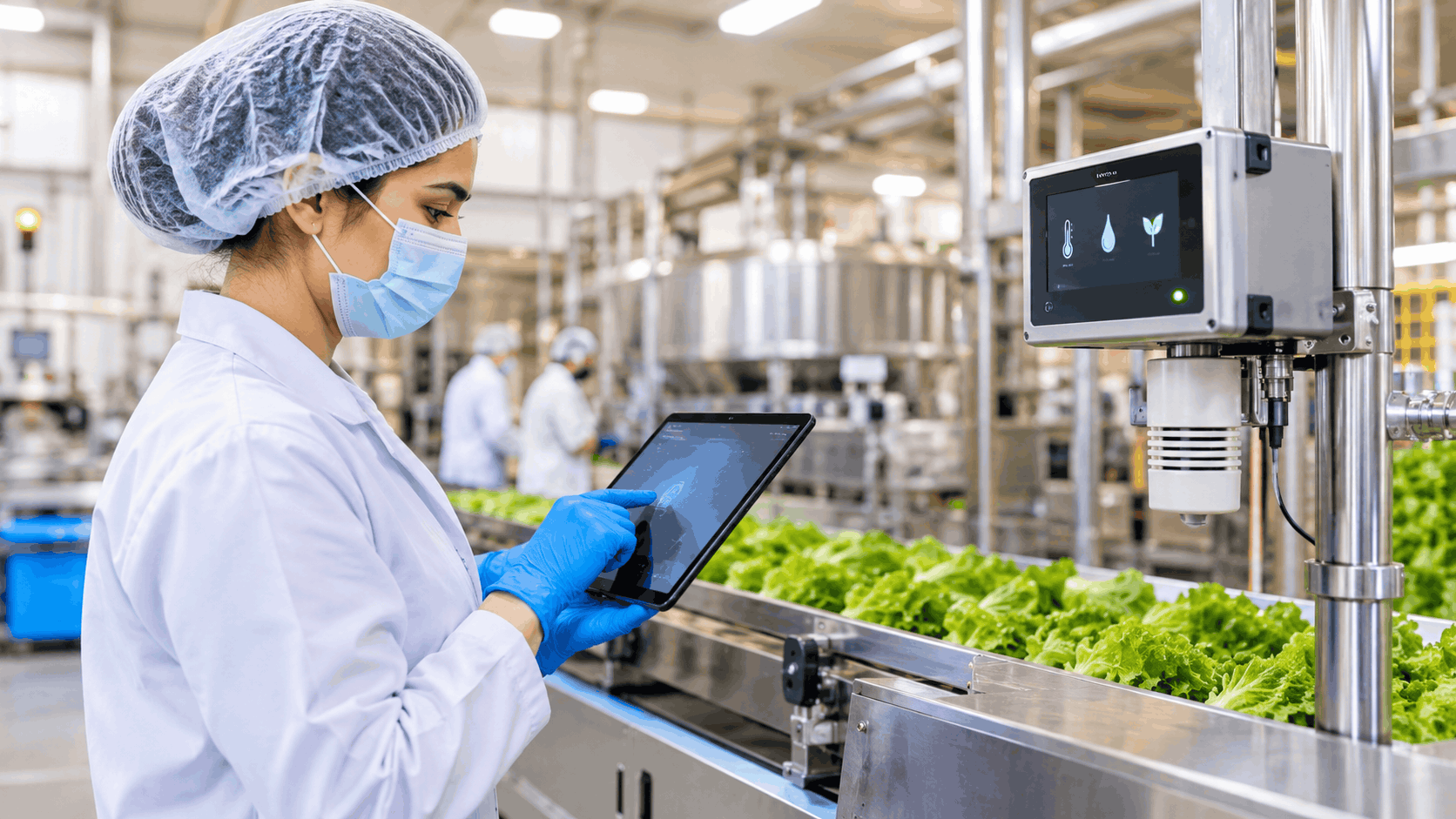
Maintaining a clean and controlled production environment is essential for every commercial food processing facility. During manufacturing, food products can come into contact with equipment, surfaces, water, air, and employees. If these areas are not properly monitored, harmful microorganisms and other contaminants may enter the production process and affect product safety.
Environmental monitoring plays an important role in identifying potential contamination risks before they become serious problems. It involves regularly checking production areas, equipment, and surrounding conditions to maintain appropriate hygiene standards. For food manufacturers, an effective monitoring programme supports food safety, improves production practices, and helps maintain consistent product quality.
What Is Environmental Monitoring in Food Processing?
Environmental monitoring in food processing is a systematic approach to checking the cleanliness and hygiene of manufacturing environments. It helps identify possible sources of microbial and physical contamination that may affect food products during production, handling, and packaging.
The programme generally focuses on food-contact surfaces, processing equipment, floors, drains, walls, air quality, and other areas within the facility. Depending on the manufacturing process and associated risks, samples may be collected using swabs, contact plates, or air-sampling methods.
These samples can be examined through appropriate food testing procedures to identify microorganisms such as bacteria, yeasts, and moulds. The results help quality assurance teams understand whether existing sanitation procedures are effective and whether corrective measures are necessary. Learn more about EXIITO's quality assurance practices, which cover incoming checks, in-process controls, finished goods inspection, and traceability.
Why Is Environmental Monitoring Important?
Early Detection of Food Contamination
One of the primary benefits of environmental monitoring is its ability to identify potential contamination sources before they affect finished products. Microorganisms can survive in difficult-to-clean areas, including equipment joints, drainage systems, conveyor belts, and production surfaces.
Regular microbiological testing helps manufacturers identify these risks and take corrective action. Early detection can reduce the possibility of contamination spreading across production areas and affecting multiple batches.
Maintaining Food Hygiene Standards
Consistent food hygiene practices are essential for maintaining a safe manufacturing environment. Even when cleaning procedures are followed, certain areas may remain exposed to contamination risks due to moisture, equipment design, employee movement, or inadequate sanitation.
Environmental monitoring provides useful information about the effectiveness of cleaning and disinfection activities. It also helps manufacturers identify areas that require additional attention and improve their sanitation procedures.
Supporting Food Safety Management Systems
An effective Food Safety Management System (FSMS) requires continuous monitoring, documented procedures, and appropriate corrective actions. Environmental monitoring supports this approach by providing measurable information about hygiene conditions inside the facility.
Manufacturers can use monitoring records to review sanitation performance, identify recurring problems, and improve preventive controls. These records also help demonstrate that food safety procedures are being implemented and reviewed systematically.
For additional information, explore EXIITO's food safety and certification practices, which highlight hygiene protocols, process controls, documentation, and batch traceability.
Key Areas That Require Environmental Monitoring
Food-Contact Surfaces and Equipment
Processing tables, conveyor belts, filling machines, storage containers, and other food-contact surfaces require regular cleaning and inspection. Sampling these areas helps determine whether sanitation procedures are removing potential microbial contamination effectively.
Air and Water Quality
Airborne particles, microorganisms, and contaminated water can introduce unwanted contaminants into manufacturing environments. Facilities should assess air and water quality according to their processes, product requirements, and identified risks.
Appropriate monitoring helps manufacturers maintain controlled production conditions, particularly in areas where exposed food products are handled.
Floors, Drains, and Production Surroundings
Floors, drains, walls, and equipment surroundings can become potential sources of microbial contamination. Moisture and accumulated food residues may encourage microbial growth if cleaning and maintenance are inadequate.
Regular inspections and targeted sampling help identify hygiene problems in these less visible areas.
The Role of Microbiological Testing in Quality Control
Microbiological testing is an important part of environmental monitoring because it helps detect microorganisms that may indicate inadequate sanitation or contamination risks.
Depending on the facility and product category, testing may include indicators of general hygiene, spoilage organisms, and specific pathogens identified through risk assessment. The selection of microorganisms and sampling locations should be based on the nature of production and applicable food safety requirements.
Food quality control teams should analyse test results, compare them with established internal criteria, and investigate unusual findings. When contamination indicators are detected, manufacturers may need to repeat cleaning, inspect equipment, review employee hygiene practices, and conduct follow-up testing.
Environmental monitoring should complement, rather than replace, finished-product testing and other preventive food safety controls. Manufacturers can also explore EXIITO's R&D and Quality Control processes to understand how product development, in-process checks, and finished-goods inspections contribute to consistent manufacturing quality.
Challenges and Future Trends in Environmental Monitoring
Implementing an effective monitoring programme can present several challenges for food manufacturers. Large processing facilities may have multiple production zones, different equipment types, and varying hygiene requirements. Managing sampling schedules, laboratory testing, documentation, and corrective actions requires trained personnel and consistent coordination.
Another challenge is interpreting results correctly. A single positive sample does not always indicate that a finished product is contaminated. However, repeated positive findings or unusual patterns should trigger a proper investigation.
Technology is creating opportunities to improve monitoring practices. Digital recordkeeping, automated data analysis, rapid detection methods, and improved laboratory techniques can help quality teams identify recurring issues more efficiently. Combining these tools with regular inspections and employee training can strengthen environmental monitoring programmes.
For Indian food manufacturers, aligning monitoring practices with applicable FSSAI requirements and relevant food safety standards is also important for maintaining effective hygiene and compliance systems.
Conclusion and CTA
Environmental monitoring is an essential part of responsible food processing because it helps manufacturers identify contamination risks, evaluate sanitation effectiveness, and maintain hygienic production environments. Regular inspections, microbiological testing, accurate documentation, and timely corrective actions contribute to stronger food safety practices and consistent product quality.
As the food manufacturing industry continues to develop, businesses must give greater attention to preventive quality control rather than relying only on finished-product inspections.
Looking for a reliable food manufacturing partner? Explore EXIITO's food manufacturing capabilities across beverages, namkeen, makhana, and pickles. Learn more about its manufacturing approach and quality-focused processes through the EXIITO About Us page, or connect with the team to discuss your manufacturing requirements.