
Introduction
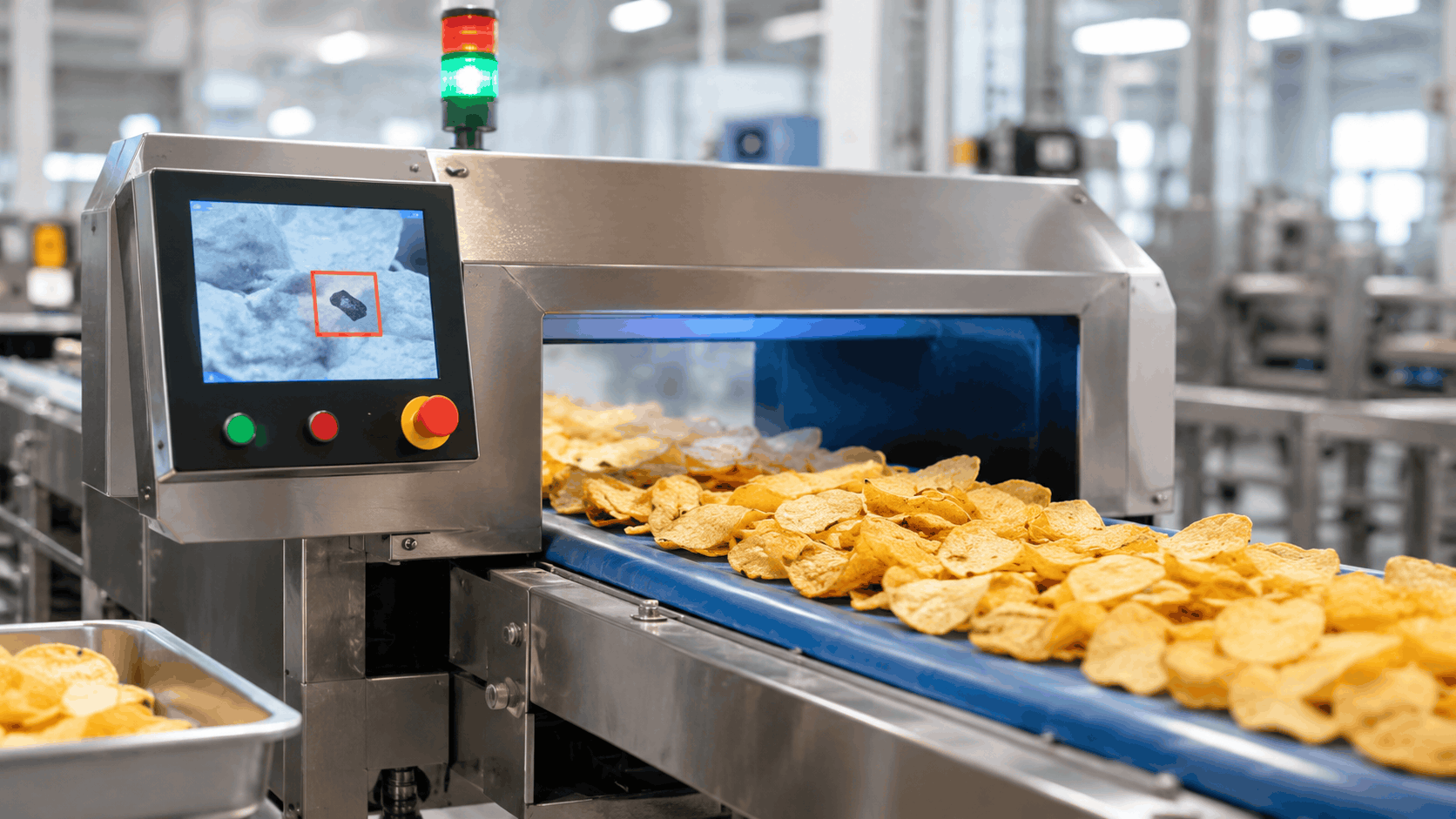
Food contamination is a major concern in the food manufacturing industry because unwanted materials can enter products during raw material handling, processing, packaging, or transportation. Physical contaminants such as metal fragments, glass pieces, stones, and hard plastic can affect product safety, damage consumer confidence, and create serious quality issues. As food production becomes more automated, manufacturers need reliable inspection methods to identify potential hazards before products reach consumers.
Foreign material detection systems play an important role in modern food processing. These technologies help identify unwanted objects, improve inspection accuracy, and strengthen food quality control. By incorporating suitable detection equipment into production lines, manufacturers can reduce contamination risks and maintain better food safety standards.
Understanding Foreign Material Detection Systems
Foreign material detection systems are specialised inspection technologies designed to identify unwanted physical objects in food products. These systems are commonly used in food manufacturing facilities to examine raw materials, products during processing, and finished packages.
Physical contamination can occur through damaged machinery, worn equipment components, packaging materials, raw ingredients, or improper handling practices. Even small metal fragments or hard foreign objects can create potential safety risks.
Detection technologies help manufacturers identify these materials at appropriate inspection points. Depending on the product, packaging, and production requirements, businesses may use metal detectors, X-ray inspection systems, or other specialised detection equipment.
Types of Foreign Material Detection Technologies
Metal Detectors in Food Processing
A metal detector is one of the commonly used inspection technologies in food manufacturing. It identifies metallic contaminants, including ferrous metals, non-ferrous metals, and stainless steel, depending on the detector's design and operating conditions.
These systems can be installed at different stages of production, such as before packaging or near the end of a processing line. When metallic contamination is detected, the system can activate an alarm or trigger an automatic rejection mechanism.
However, detection performance depends on factors such as product characteristics, moisture content, packaging materials, and equipment sensitivity. Regular testing and calibration are important for maintaining reliable performance.
X-Ray Inspection Systems
X-ray inspection technology uses differences in material density to identify foreign objects inside food products and sealed packages. It can help detect materials such as glass, stones, metal, and certain dense plastics, depending on their size, density, and the product being inspected.
Unlike conventional metal detectors, X-ray systems can identify some non-metallic contaminants. They can also support additional inspection functions, such as checking product completeness and identifying certain packaging defects.
Other Inspection Technologies
Some food manufacturing facilities use optical sorting systems, magnets, and specialised screening equipment to identify or remove unwanted materials. Optical sorting can help identify visible differences in colour, shape, or appearance, while magnets are used to capture suitable ferrous metal particles.
Selecting the right technology depends on the type of food, production volume, contamination risks, and inspection requirements.
How Detection Systems Improve Food Product Safety
Early Identification of Physical Contamination
One of the main advantages of detection systems is their ability to identify potential contaminants before products are released for distribution. Inspecting products at suitable production stages helps manufacturers identify problems earlier and prevent affected batches from reaching consumers.
Improved Food Quality Control
Automated inspection equipment supports consistent monitoring across production batches. It reduces dependence on visual inspection alone and helps quality teams identify potential issues during manufacturing.
These controls can complement broader food quality control processes, including incoming material inspections, in-process monitoring, and finished-product checks.
Reduced Product Rejection and Waste
Detecting contamination at the appropriate stage can help manufacturers isolate affected products and investigate the source of the problem. This may reduce unnecessary rejection of entire production batches when suitable segregation and corrective procedures are available.
Better Food Safety Compliance
Food manufacturers must maintain appropriate inspection procedures, equipment records, and corrective action documentation. Detection systems can support these activities as part of a wider food safety management approach.
Combining inspection equipment with HACCP-based food safety systems helps businesses identify physical hazards, establish suitable controls, and monitor critical production activities.
Challenges in Implementing Detection Systems
Although foreign material detection technologies offer important advantages, their implementation requires proper planning. Different food products have different inspection requirements, and certain characteristics can influence detection performance.
For example, products with high moisture or salt content may affect metal detector sensitivity. Packaging materials, product thickness, and the position of contaminants can also influence inspection results.
Equipment installation involves investment, employee training, routine maintenance, and periodic performance verification. Manufacturers must establish suitable testing procedures using appropriate test samples and documented inspection records.
Detection systems should never replace good manufacturing practices, proper sanitation, equipment maintenance, or employee training. They work most effectively when combined with broader food safety practices and contamination prevention measures.
Future Trends in Food Contamination Detection
Food inspection technology continues to develop as manufacturers look for more accurate and efficient production monitoring methods. Advanced X-ray systems, automated rejection mechanisms, digital inspection records, and intelligent image analysis are creating new opportunities for improving production control.
Integration with automated production lines can also help manufacturers monitor inspection performance and identify recurring contamination issues. These developments may support faster decision-making, better traceability, and more consistent quality management.
However, technology selection must remain practical. Businesses should evaluate equipment according to their products, identified hazards, production conditions, and applicable food safety requirements.
Conclusion and CTA
Foreign material detection systems are an important part of modern food manufacturing because they help identify physical contaminants and strengthen product inspection procedures. Metal detectors, X-ray inspection systems, and other specialised technologies provide manufacturers with additional tools to manage contamination risks and improve food quality control.
For long-term results, businesses should combine suitable detection equipment with preventive measures, trained employees, regular maintenance, and documented inspection procedures.
Looking to strengthen your food manufacturing operations? Explore EXIITO's food manufacturing and quality assurance approach or contact our team to discuss manufacturing and quality requirements.