Introduction
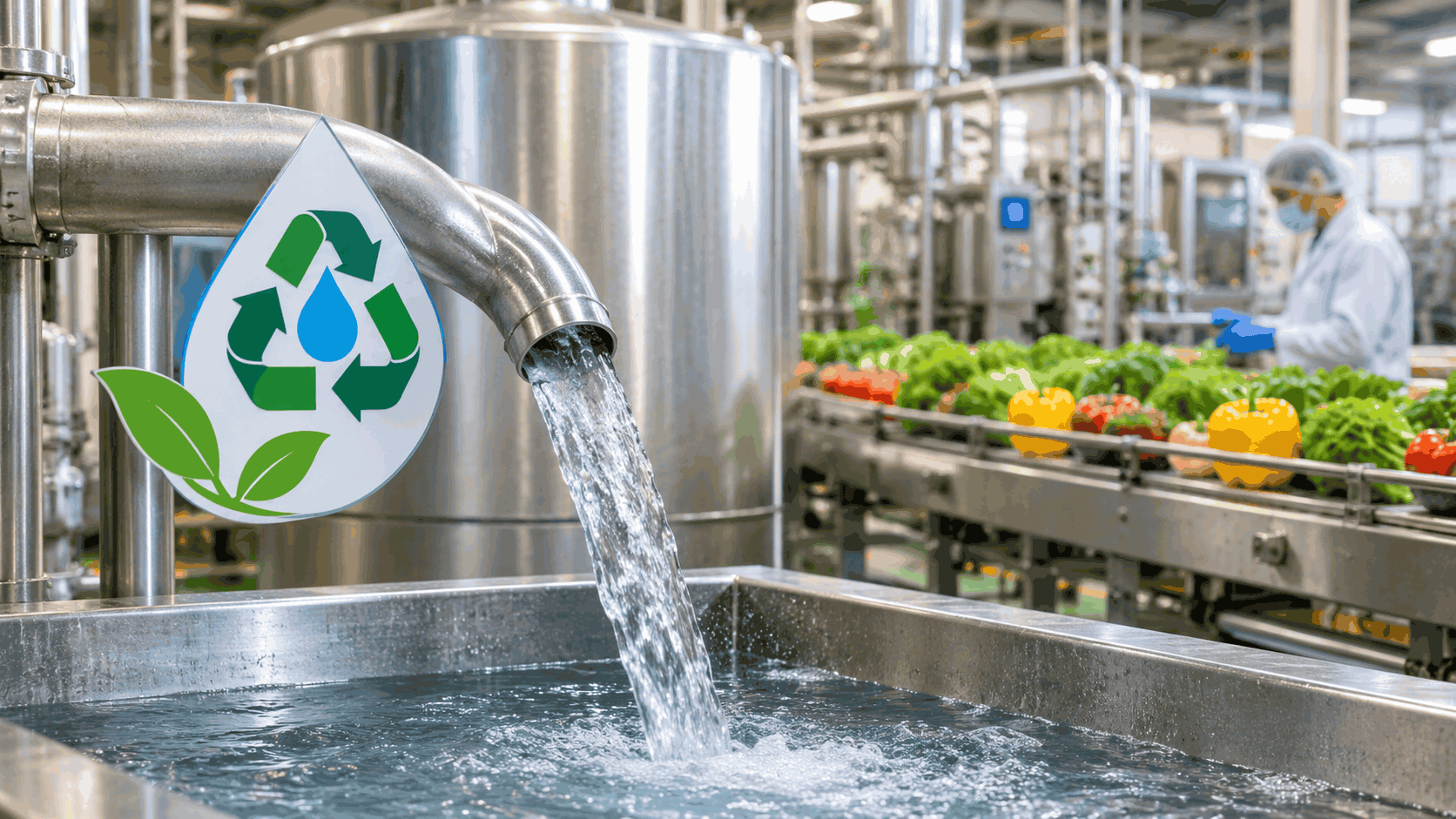
Water is one of the most important resources in the food manufacturing industry. It is required for washing raw materials, preparing ingredients, cleaning equipment, cooling machinery, and maintaining hygiene throughout production. However, excessive water consumption can increase operating expenses and create additional pressure on available water resources.
For food manufacturers, reducing water consumption is not simply about using less water. It involves improving production methods, adopting efficient cleaning practices, and managing wastewater responsibly without compromising product quality or food safety. By implementing effective water management strategies, businesses can improve operational efficiency and support more sustainable food processing operations.
Why Water Conservation Matters in Food Processing
Water is used at different stages of food manufacturing, and consumption requirements vary depending on the products and production processes involved. Beverage manufacturers may require water for ingredient preparation, equipment cleaning, and processing, while snack and packaged food manufacturers use it for washing ingredients and maintaining hygienic production environments.
When water usage is not monitored properly, unnecessary consumption can occur through leaking pipelines, excessive rinsing, inefficient cleaning systems, and outdated equipment.
Implementing effective water conservation practices helps manufacturers identify these inefficiencies and establish better resource management systems. It also supports sustainable manufacturing practices in India's food industry, where responsible water usage is an important part of reducing environmental impact.
Practical Ways to Reduce Water Consumption Across Production Operations
Monitor Water Usage in Different Production Areas
The first step towards reducing water consumption is understanding where and how water is being used. Installing water meters across different production sections allows manufacturers to monitor consumption and identify areas with unusually high usage.
Regular monitoring helps businesses detect leaks, evaluate cleaning requirements, and compare water consumption against production output. These records also make it easier to establish realistic water-saving targets and measure improvements over time.
Improve Cleaning and Washing Procedures
Cleaning and sanitation are essential activities in food manufacturing, but inefficient practices can result in unnecessary water consumption. Leaving hoses running during cleaning or using excessive water for rinsing can increase overall usage.
Manufacturers can improve water efficiency by introducing low-flow spray nozzles, automatic shut-off systems, and controlled cleaning schedules. Removing food residues through scraping or dry cleaning before washing can also reduce water requirements.
However, all cleaning improvements must maintain appropriate hygiene standards and prevent cross-contamination. Water conservation should never compromise food safety or the effectiveness of sanitation procedures.
Adopt Water-Efficient Processing Equipment
Modern processing equipment can help manufacturers manage water consumption more effectively. Efficient washing systems, automated water controls, and properly designed rinsing equipment can reduce unnecessary water usage during production.
For example, counter-current rinsing systems allow water to move through multiple cleaning stages, helping reduce freshwater requirements when properly designed for the application.
Regular equipment inspections and preventive maintenance are equally important. Damaged valves, inefficient pumps, and leaking connections should be repaired promptly to prevent avoidable water losses.
These improvements can also contribute to broader operational improvements through best practices for improving efficiency in food processing plants.
Implement Wastewater Treatment and Recycling
Wastewater management is another important aspect of sustainable food manufacturing. Water used during production and cleaning may contain organic matter, food residues, oils, and cleaning chemicals that require appropriate treatment before disposal or reuse.
A suitable wastewater treatment system helps remove contaminants and improve water quality according to the intended discharge or reuse requirements.
Depending on treatment performance, regulatory requirements, and risk assessments, treated wastewater may be reused for selected non-product-contact applications, such as certain utility operations or approved external cleaning activities.
Industrial water treatment systems should be designed according to the facility's wastewater characteristics and operational requirements. Careful monitoring is necessary to ensure that recycled water is suitable for its intended application.
Train Employees in Water Conservation Practices
Employees play an important role in managing water consumption during daily operations. Even well-designed systems can waste water when equipment is not operated correctly or cleaning procedures are not followed.
Manufacturers should provide regular training on responsible water usage, leak reporting, cleaning procedures, and equipment operation. Clear operating instructions can encourage employees to avoid unnecessary water consumption and identify potential problems early.
Benefits of Water Efficiency in Food Manufacturing
Improving water efficiency offers several operational and environmental advantages. Reduced water consumption can help businesses manage expenses associated with water procurement, pumping, heating, and wastewater treatment.
Efficient cleaning and processing systems can also improve production management by reducing unnecessary resource usage. Similarly, appropriate wastewater treatment and recycling practices can lower the volume of wastewater requiring disposal.
Water conservation also supports long-term business sustainability. Manufacturers that monitor resource consumption and adopt responsible production practices are better positioned to manage resource-related challenges and improve their environmental performance.
Furthermore, combining water-saving initiatives with energy management and waste reduction can create additional opportunities for operational improvement. Businesses can explore ways to reduce energy consumption and operating costs as part of a broader resource-efficiency strategy.
Challenges and Future Trends in Water Management
Although water conservation offers important benefits, implementing new systems can involve financial investment, infrastructure improvements, and employee training. Smaller manufacturing facilities may find it challenging to upgrade existing equipment or introduce advanced wastewater treatment technologies.
Another major consideration is maintaining food safety. Recycled water must meet the quality requirements of its intended application, and manufacturers must ensure that reuse practices do not introduce contamination risks.
In the future, automated water monitoring, smart sensors, advanced filtration, and improved wastewater treatment technologies may help food manufacturers manage water more efficiently. Digital monitoring systems can provide better visibility into consumption patterns and help businesses identify opportunities for improvement.
Conclusion and CTA
Reducing water consumption across production operations is an important step towards more efficient and sustainable food manufacturing. By monitoring usage, improving cleaning procedures, adopting water-efficient equipment, and implementing appropriate wastewater treatment systems, manufacturers can reduce unnecessary water waste while maintaining product quality and food safety.
Consistent monitoring and employee involvement can further strengthen water management practices and support long-term operational improvements.
Looking for a reliable food manufacturing partner? Explore EXIITO Beverages, a premium food manufacturing company offering beverages, namkeen, makhana, and pickles, along with private label, white label, and contract manufacturing solutions. Visit our website to explore our manufacturing capabilities and discuss your business requirements.