
Introduction
India's Fast-Moving Consumer Goods (FMCG) industry is evolving as consumers explore new tastes, healthier options, convenient products, and more transparent brands. Changing lifestyles, urbanisation, digital shopping, and growing awareness of food quality are influencing what people purchase and how businesses develop their products.
Food and Beverage Trends in India reflect these changing expectations. From ready-to-drink beverages and functional drinks to sustainable manufacturing practices, innovation is creating new opportunities for food and beverage brands. Manufacturers must understand these developments to remain relevant, improve product offerings, and respond to the needs of a competitive market.
Changing Consumer Preferences in the Indian FMCG Market
Changing Consumer Preferences are one of the major factors influencing the Indian FMCG industry. Consumers are increasingly exploring products that offer convenience, appealing flavours, clear ingredient information, and value for money.
Traditional Indian flavours continue to attract interest, while international tastes and modern product formats are also finding space in the market. This creates opportunities for brands to introduce new combinations, regional-inspired products, and convenient food and beverage options.
For manufacturers, understanding these preferences is important before launching a product. Market research, consumer feedback, product trials, and consistent quality checks can help businesses develop offerings that match their target audience.
Growing Demand for Healthy Food and Beverage Products
Health awareness is influencing purchasing decisions across several FMCG categories. Many consumers are paying closer attention to ingredients, sugar content, nutritional information, and portion sizes when choosing food and drinks.
Healthy Food and Beverage Products may include options made with fruit ingredients, plant-based components, whole grains, or other ingredients that meet specific consumer preferences. However, brands should communicate nutritional and health-related claims accurately and ensure that they are supported by appropriate evidence and applicable regulations.
This trend is also encouraging manufacturers to explore recipe improvements, alternative ingredients, and product formulations that balance taste, quality, and consumer expectations.
Beverage Industry Trends: Ready-to-Drink and Functional Beverages
Rising Popularity of Ready-to-Drink Beverages
Convenience is an important factor in modern beverage consumption. Ready-to-Drink Beverages offer products that can be consumed without additional preparation, making them suitable for busy routines, travel, workplaces, and on-the-go occasions.
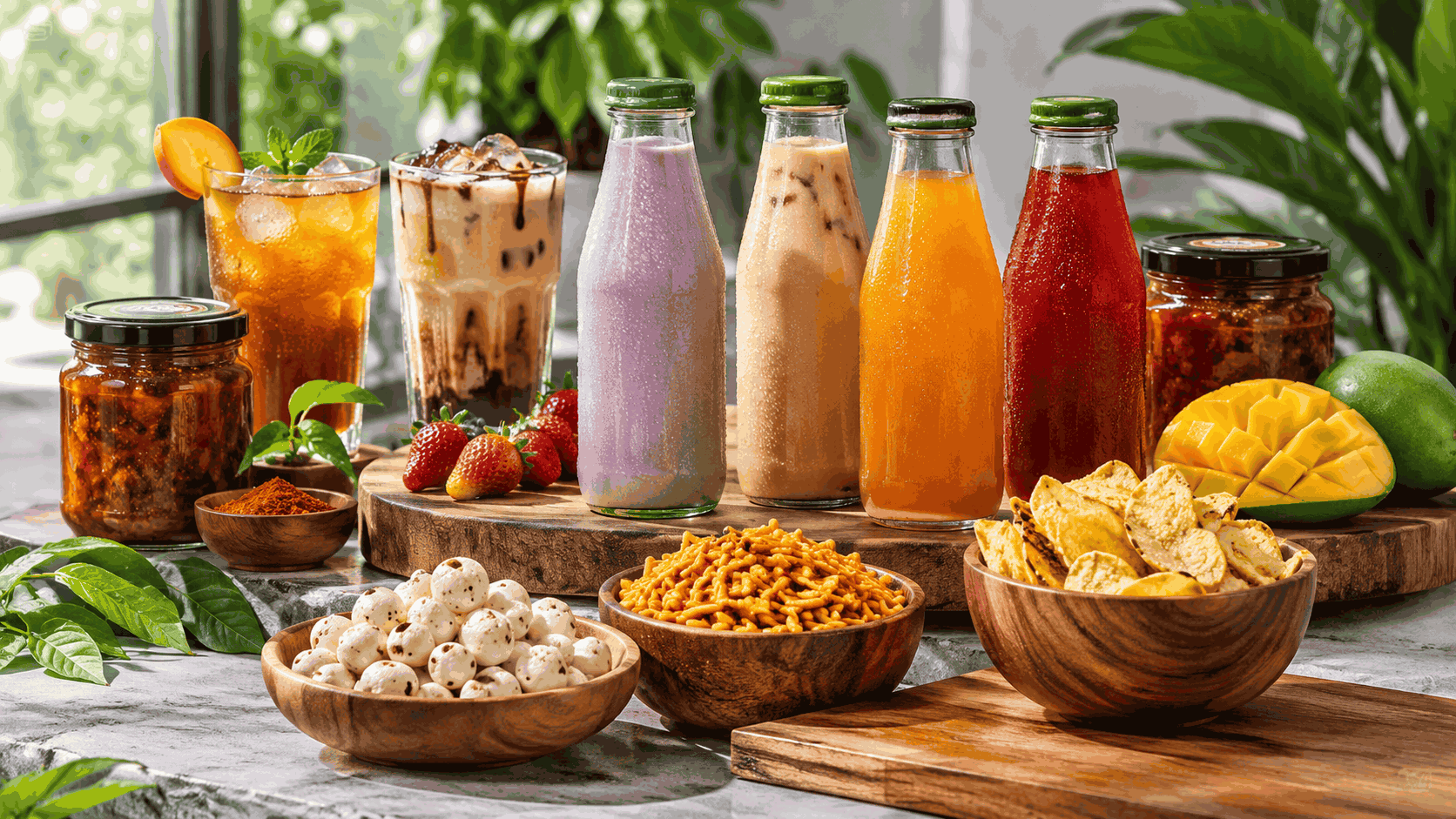
The category includes packaged iced tea, coffee, fruit-based drinks, flavoured beverages, and other convenient formats. Brands are exploring different flavours, packaging formats, and product concepts to appeal to diverse consumer groups.
For beverage manufacturers, developing successful products requires attention to formulation, ingredient compatibility, processing, packaging, and shelf-life validation. These factors help ensure that convenience does not come at the expense of product quality.
Growing Interest in Functional Beverages
Functional Beverages are another area of interest in the evolving beverage market. These drinks are developed with specific ingredients or nutritional characteristics intended to offer benefits beyond basic refreshment.
Examples may include beverages containing selected vitamins, minerals, electrolytes, or other functional ingredients. However, product claims must be scientifically supported and comply with relevant food regulations.
Manufacturers need to evaluate ingredient stability, taste, formulation compatibility, and processing conditions when developing these products. Careful product development helps balance functionality with a pleasant drinking experience.
Food and Beverage Innovation Driving Market Growth
Food and Beverage Innovation is helping brands respond to changing consumer expectations and explore new market opportunities. Product development now involves more than introducing new flavours. Businesses also consider ingredient sourcing, formulation techniques, processing methods, packaging, and quality management.
Research and development teams play an important role in testing recipes, evaluating raw materials, and improving product consistency. EXIITO's R&D and Quality Control services provide further information about its approach to product development and quality-related processes.
Manufacturers can also benefit from reviewing consumer feedback and conducting product trials before commercial launches. This approach helps identify formulation or quality issues early and supports better product decisions.
Sustainable Food Manufacturing and Responsible Practices
Sustainability is becoming an important consideration across the FMCG value chain. Businesses are exploring ways to use resources more efficiently, reduce avoidable waste, improve packaging choices, and manage production processes responsibly.
Sustainable Food Manufacturing can involve better raw material planning, efficient energy and water use, waste management, and suitable packaging decisions. The practical approach depends on the product, manufacturing facility, available technology, and operational requirements.
Consumers are also paying attention to how brands communicate their environmental efforts. Businesses should therefore make clear, accurate sustainability claims rather than relying on broad statements that cannot be verified.
Future of the FMCG Industry in India
The Future of the FMCG Industry in India will be shaped by evolving consumer needs, product innovation, digital retail, manufacturing efficiency, and responsible business practices. Brands may find opportunities in regional flavours, convenient product formats, personalised offerings, and improved product transparency.
At the same time, businesses must manage challenges such as raw material price fluctuations, regulatory requirements, competition, distribution costs, and maintaining consistent quality at scale.
Companies that combine consumer understanding with effective product development and reliable manufacturing practices will be better positioned to respond to market changes.
Conclusion
Food and Beverage Trends in India highlight a market that is becoming more diverse, convenience-driven, and innovation-focused. Growing interest in healthier products, ready-to-drink beverages, functional formulations, and sustainable manufacturing is creating opportunities for brands across the FMCG sector.
To succeed, manufacturers must understand their customers, develop suitable products, maintain quality, and adapt to changing market expectations. A thoughtful approach to innovation can help businesses build stronger brands and remain competitive.
If you are planning to develop or expand a beverage brand, explore EXIITO's beverage manufacturing services to learn more about its product development and manufacturing support. You can also contact the EXIITO team to discuss your requirements.