
Introduction
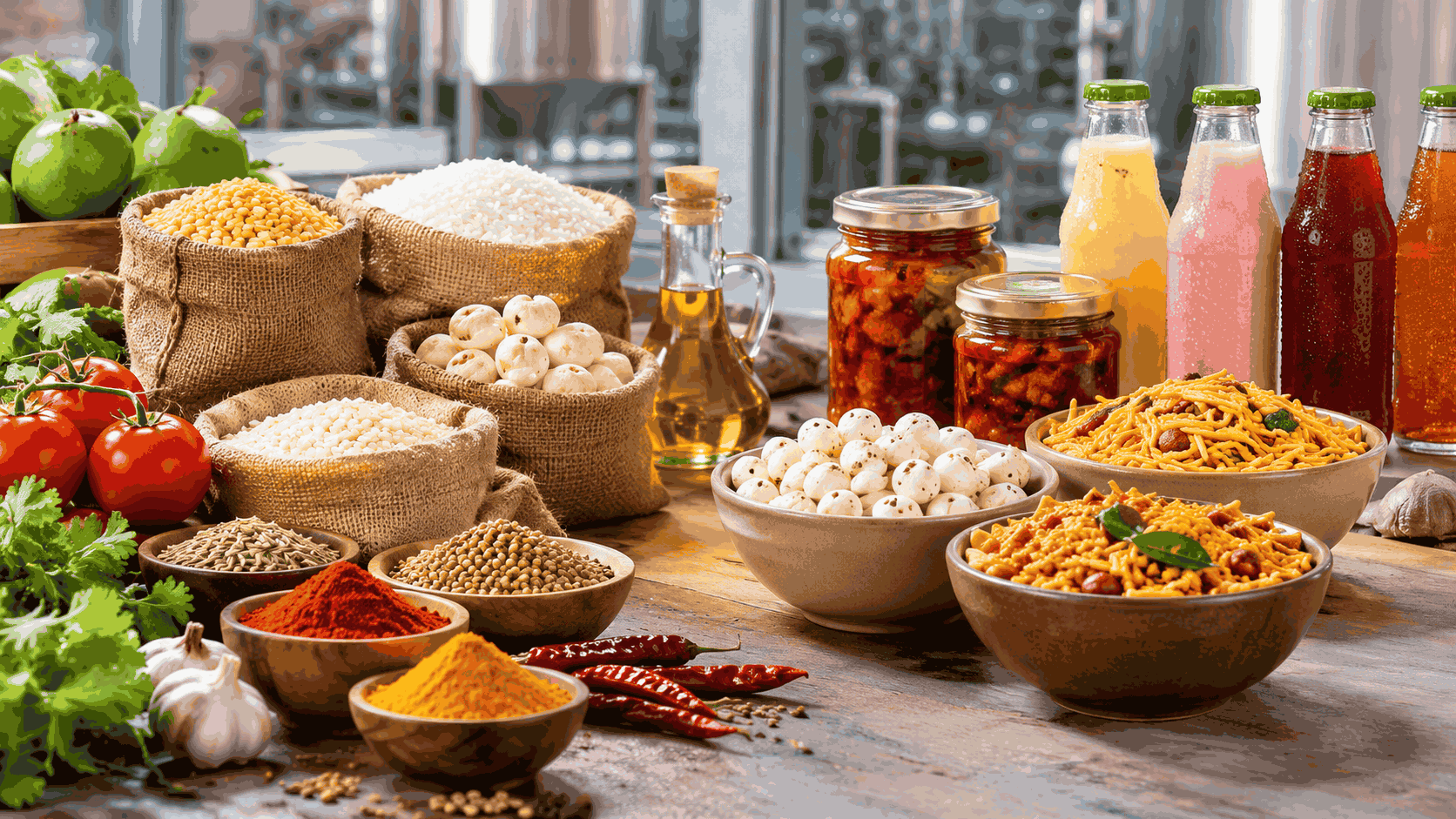
The quality of packaged food begins long before the manufacturing process starts. Every ingredient used in production contributes to the final product's taste, texture, appearance, aroma and shelf stability. Whether manufacturing beverages, namkeen, makhana or pickles, selecting suitable ingredients is essential for producing food that meets consumer expectations. This makes Raw Material Quality in Packaged Food an important factor in commercial food manufacturing.
Consumers expect packaged food products to deliver the same taste and quality with every purchase. However, variations in ingredient quality can affect the final product, even when the manufacturing process remains unchanged. From sourcing fresh ingredients to maintaining proper storage conditions, manufacturers must carefully manage every stage of raw material handling to achieve reliable product quality.
Why Raw Material Quality Matters in Food Manufacturing
Raw materials form the foundation of every packaged food product. Ingredients such as grains, spices, edible oils, fruits, vegetables, dairy components and flavouring agents directly influence the characteristics of the finished product. Their freshness, purity, composition and suitability determine how effectively they perform during processing.
The quality of raw materials in food manufacturing also affects production efficiency. Ingredients with inconsistent moisture levels, particle sizes or compositions may require processing adjustments and can create variations between production batches. Selecting suitable ingredients helps manufacturers maintain predictable production conditions and achieve better control over the final product.
For food businesses looking to develop or expand their product ranges, EXIITO's food manufacturing services provide manufacturing options across different food categories, including private label, white label and contract manufacturing.
How Ingredient Quality Influences Taste and Flavour
Taste is one of the most important factors influencing consumer acceptance of packaged food. The natural characteristics of ingredients contribute to the flavour profile of the finished product. Fresh fruits, quality spices, suitable edible oils and properly selected flavouring ingredients help create balanced and appealing food products.
For example, the freshness and quality of mangoes, spices and edible oils can influence the flavour of packaged pickles. Similarly, the quality of seasoning ingredients affects the overall taste of flavoured makhana and namkeen. In beverages, the characteristics of fruits, tea extracts, coffee and other ingredients contribute to the final flavour.
Poor-quality or unsuitable ingredients may introduce unwanted flavours, reduce freshness or create noticeable differences between batches. Therefore, ingredient quality and food taste must be considered together during product development and manufacturing.
The Role of Raw Materials in Product Consistency
Product consistency refers to maintaining similar characteristics across different production batches. Customers expect the same flavour, texture, colour and overall experience whenever they purchase a familiar product.
Variations in raw materials can make this difficult. Differences in grain quality, oil characteristics, moisture content, fruit maturity and spice composition may influence processing results. Even small variations can affect the final product when ingredients are used in large production quantities.
Careful raw material selection in food manufacturing helps reduce these differences. Manufacturers can establish ingredient specifications, evaluate incoming materials and maintain suitable formulation controls. These practices support food product consistency and help ensure that finished products meet defined quality expectations.
Raw Material Selection and Quality Control Practices
Supplier Evaluation and Ingredient Inspection
Reliable sourcing is an important part of maintaining ingredient quality. Manufacturers should work with suppliers who can consistently provide materials that meet agreed specifications. Supplier evaluation, ingredient documentation and incoming inspections help identify potential quality concerns before materials enter production.
During receiving, raw materials should be checked for their appearance, freshness, packaging condition, identification and other relevant quality parameters. Depending on the ingredient, additional checks may include moisture content, physical characteristics and laboratory testing.
Proper Storage and Handling
Storage conditions can significantly influence raw material quality. Temperature, humidity, light exposure and packaging conditions may affect the freshness and stability of different ingredients.
Manufacturers should follow suitable storage practices based on the characteristics of each material. Proper segregation, clean storage areas, stock rotation and protection against contamination help preserve ingredient quality before processing begins.
Quality Checks During Manufacturing
Raw material inspection should be supported by monitoring throughout the food manufacturing process. Manufacturers need to maintain appropriate controls during mixing, roasting, frying, filling, blending and packaging, depending on the product category.
Documented checks and batch records help identify variations and support traceability. Following relevant food processing standards and applicable food safety requirements also helps manufacturers maintain reliable production practices.
Businesses interested in understanding how these practices fit into commercial production can explore EXIITO's manufacturing approach, which covers sourcing, product development, manufacturing, quality checks and final inspection.
Challenges in Maintaining Raw Material Quality
Maintaining consistent ingredient quality can be challenging because agricultural materials naturally vary according to season, climate, growing conditions and sourcing locations. Supplier availability, transportation conditions and fluctuations in material characteristics can also affect procurement.
Commercial food manufacturing requires manufacturers to balance ingredient availability, production requirements and quality expectations. Developing reliable supplier relationships, defining clear specifications and monitoring incoming materials can help address these challenges.
Technology and improved quality management practices are also creating opportunities for better raw material monitoring. Digital records, testing equipment and traceability systems can support faster identification of quality variations and improve production planning.
Conclusion and CTA
Raw material quality plays a fundamental role in determining the taste, texture, appearance, safety and consistency of packaged food. Careful ingredient selection, reliable sourcing, appropriate storage and systematic quality checks help manufacturers produce products that meet consumer expectations across different batches.
For food businesses, investing in quality ingredients and effective quality control is an important step towards building consumer trust and long-term brand value.
At EXIITO, quality-focused manufacturing and process discipline support the development of packaged food products across beverages, namkeen, makhana and pickles. Whether you are developing a new food product or expanding an existing range, choosing the right manufacturing partner can make a difference.
Explore EXIITO's food manufacturing solutions or contact our team to discuss your manufacturing requirements.