
Introduction
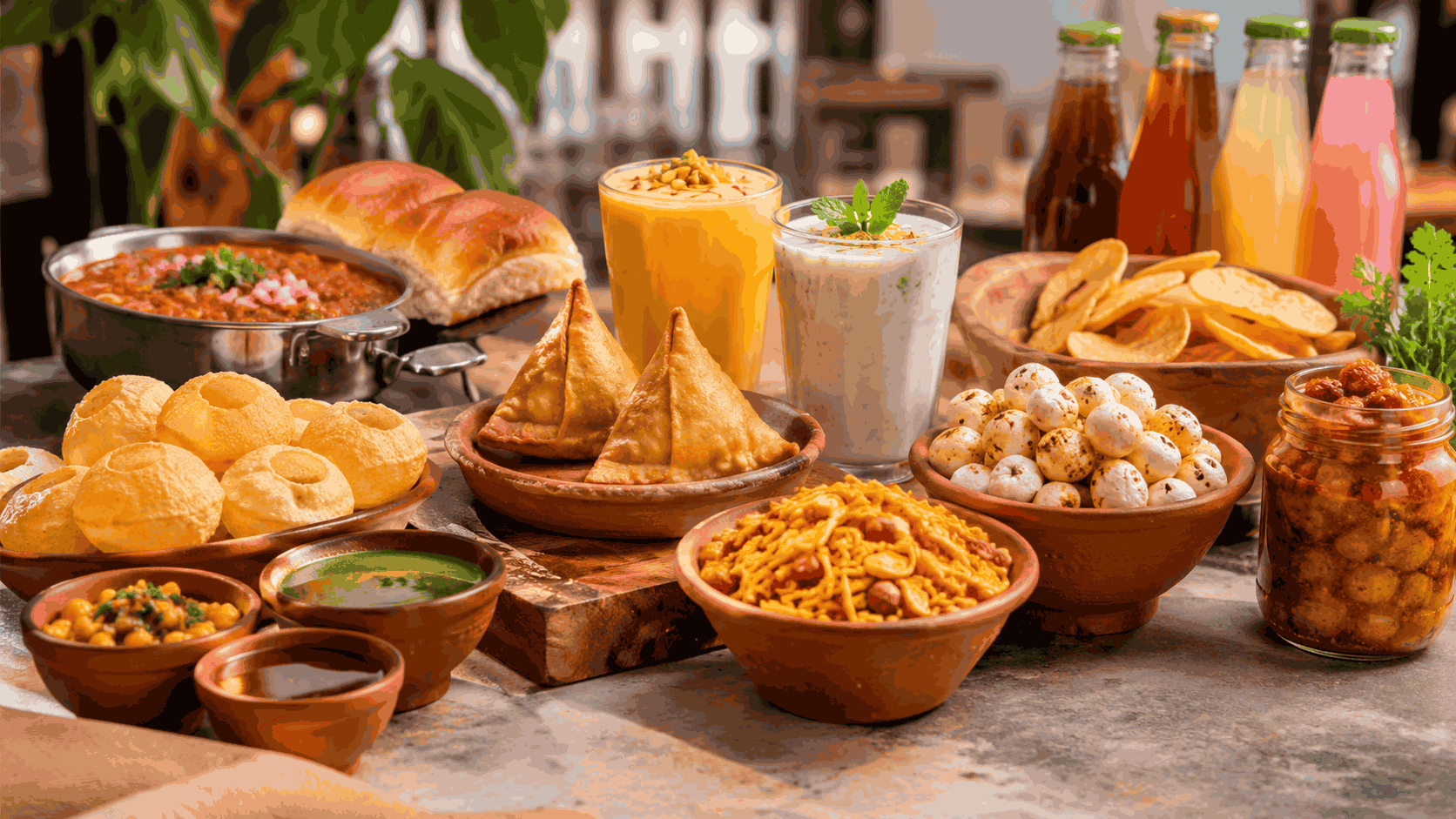
India has a rich food culture shaped by regional ingredients, traditional recipes, local cooking methods, and generations of culinary knowledge. From savoury snacks and regional sweets to refreshing traditional drinks, these foods continue to hold an important place in everyday life. Today, they are also attracting attention in modern retail stores, supermarkets, and online marketplaces.
Traditional Indian Foods are gaining popularity as consumers explore familiar flavours in convenient and accessible formats. Changing lifestyles, interest in regional cuisine, and improvements in food processing and packaging are creating new opportunities for manufacturers and food brands. This growing interest is helping traditional products reach consumers beyond their original regional markets.
Why Traditional Indian Foods Are Becoming Popular
One important reason behind the growing demand is the connection between food and cultural identity. Many consumers enjoy products associated with their childhood, family traditions, and regional food habits. At the same time, younger consumers are exploring traditional flavours through modern food formats.
Changing Consumer Preferences are also influencing purchasing decisions. Customers increasingly look for variety, convenience, clear ingredient information, and consistent product quality. Traditional recipes presented in practical packaging can meet these expectations while retaining their familiar taste and identity.
For food businesses, this creates opportunities to introduce regional products to wider audiences while respecting the ingredients and characteristics that make them distinctive.
Regional Indian Cuisine Creating New Market Opportunities
India's Regional Indian Cuisine offers a wide range of flavours, textures, and preparation styles. Different regions have their own specialities, influenced by local crops, spices, climate, and cultural practices.
For example, Gujarat is known for products such as khakhra, dhokla, and various savoury snacks, while Maharashtra has popular options such as chivda and regional sweets. Southern India offers traditional preparations such as murukku and banana chips, while northern regions have distinctive namkeen varieties and other local specialities.
These regional products are finding opportunities in Modern Food Markets through organised retail, speciality stores, and digital platforms. Brands can introduce consumers to lesser-known regional foods while offering familiar favourites in convenient formats.
Growing Demand for Traditional Indian Snacks and Beverages
Traditional Indian Snacks
Traditional Indian Snacks remain popular because of their variety and distinctive flavours. Namkeen, roasted snacks, savoury mixtures, and regional preparations appeal to consumers looking for familiar tastes as well as convenient snack options.
Manufacturers are introducing different pack sizes, flavour variations, and packaging formats to make these products suitable for modern retail and online distribution. However, maintaining the original taste, texture, and freshness is essential when adapting traditional recipes for commercial production.
Indian Traditional Beverages
Indian Traditional Beverages are also receiving attention as consumers explore familiar drinks in convenient formats. Products such as aam panna, jaljeera, buttermilk-based drinks, and regional fruit beverages offer distinctive flavour experiences.
For beverage manufacturers, developing these products requires careful attention to ingredient selection, formulation, processing, packaging compatibility, and shelf-life validation. The aim is to maintain the expected flavour profile while meeting modern requirements for product safety and consistency.
How Packaging Is Supporting Traditional Food Products
Packaging plays an important role in making Traditional Indian Food Products suitable for modern distribution. Appropriate packaging helps protect products from external contamination, moisture, physical damage, and other factors that may affect quality.
Packaged Traditional Foods can reach consumers through retail outlets, supermarkets, and e-commerce channels. Flexible pouches, sealed containers, and convenient pack sizes may be suitable for different products, depending on their ingredients and storage requirements.
Clear labelling is equally important. Ingredient details, allergen information, nutritional values, net quantity, and storage instructions help consumers make informed purchasing decisions. Attractive packaging can also communicate regional identity and help brands stand out in competitive markets.
Indian Food Product Innovation and Modern Manufacturing
Indian Food Product Innovation is helping businesses adapt traditional recipes to changing market requirements. Innovation may involve improving production consistency, developing new flavour combinations, selecting suitable ingredients, and introducing convenient packaging formats.
However, modernisation should not compromise the defining characteristics of traditional products. Manufacturers need to evaluate taste, texture, ingredient compatibility, food safety, and shelf life before introducing products commercially.
Research and development, along with suitable quality-control practices, can support this process. EXIITO's R&D and Quality Control services provide further information about its approach to product development and quality-related processes, particularly for beverage applications.
Challenges and Future Indian Food Industry Trends
Indian Food Industry Trends indicate opportunities for traditional products in organised retail, online sales, and wider distribution networks. However, businesses must address challenges such as raw material availability, changing ingredient costs, standardisation of recipes, packaging requirements, and regulatory compliance.
Maintaining consistent quality at larger production volumes can be particularly challenging when products depend on traditional preparation methods. Manufacturers must develop suitable processes without losing the qualities consumers expect.
In the future, Traditional Foods in India may gain further visibility through regional branding, improved packaging, product innovation, and convenient retail formats. Brands that combine cultural authenticity with reliable quality and clear communication can build stronger connections with modern consumers.
Conclusion
Traditional Indian Foods are gaining popularity in modern markets because they bring together familiar flavours, cultural identity, and growing demand for convenient food choices. Regional snacks, traditional beverages, and packaged food products are creating opportunities for businesses to introduce India's culinary diversity to wider audiences.
For manufacturers, success depends on preserving product identity while adapting to modern expectations for quality, safety, packaging, and convenience. A thoughtful approach to product development can help traditional food brands grow while maintaining their connection to India's rich food heritage.
If you are planning to develop or expand a beverage brand, explore EXIITO's beverage manufacturing services to learn more about its product development and manufacturing support.