
Introduction
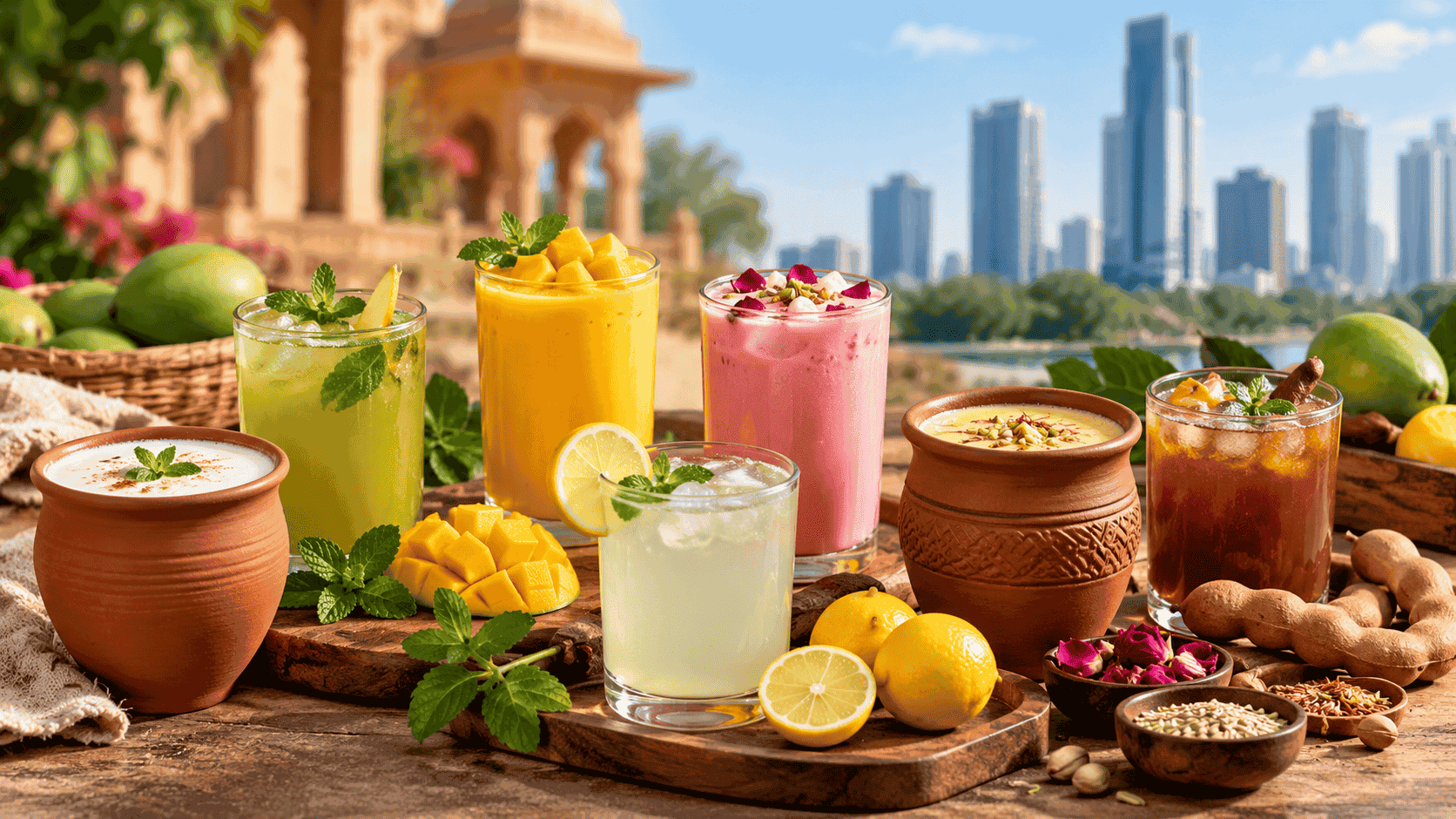
India has a rich beverage culture shaped by regional ingredients, traditional recipes, and local food habits. From aam panna and jaljeera to kokum sherbet, chaas, and spiced buttermilk, these drinks have long been part of everyday life and seasonal celebrations. Today, many of these familiar flavours are finding new opportunities in the modern packaged food market.
The growing interest in Traditional Indian Beverages reflects consumers' appreciation for familiar tastes alongside their preference for convenient product formats. As lifestyles and purchasing habits evolve, beverage manufacturers are exploring ways to adapt traditional recipes while maintaining their distinctive flavour profiles. This shift is creating opportunities for brands across India's expanding beverage sector.
Why Traditional Indian Beverages Are Gaining Attention
Familiar Flavours and Regional Preferences
One reason behind the interest in Traditional Indian Drinks is their connection with regional food culture. Different parts of India have distinctive beverage traditions shaped by climate, local ingredients, and culinary preferences. For example, aam panna is associated with raw mango, kokum-based drinks are popular in parts of western India, and jaljeera is recognised for its refreshing combination of spices.
These Regional Indian Beverages offer manufacturers a wide range of flavour inspirations. Familiarity can help consumers connect with a product, while carefully developed variations can introduce traditional tastes to new audiences. Understanding regional preferences is therefore important when selecting flavours and planning a beverage launch.
Changing Lifestyles and Convenience
Modern consumers often look for beverages that fit into busy routines. Packaged formats make traditional drinks easier to purchase, carry, store, and consume across different occasions.
This has created opportunities for Traditional Drinks in Modern Packaging, including bottles and other convenient formats. However, commercialising a traditional recipe requires more than placing it in a package. Manufacturers must consider ingredient selection, formulation, processing methods, packaging compatibility, storage conditions, and shelf-life requirements.
Emerging Ethnic Beverage Trends in India
Growing Interest in Natural and Traditional Ingredients
Consumers are increasingly interested in understanding what goes into the products they purchase. This has encouraged brands to explore Natural Indian Drinks made with recognisable ingredients and familiar flavour combinations.
Traditional beverages often draw on ingredients such as fruits, spices, herbs, and dairy. Their suitability for packaged production depends on the recipe, ingredient quality, processing conditions, and product requirements. Businesses should ensure that any nutritional or health-related claims are accurate and supported by the actual formulation.
Opportunities for Healthy Traditional Beverages
Interest in Healthy Traditional Beverages is another area of product development. Some consumers may prefer drinks inspired by traditional ingredients and recipes as alternatives to other packaged refreshments.
However, a traditional recipe is not automatically a healthy product. Sugar content, serving size, nutritional composition, and processing methods all influence the final product. Manufacturers should focus on transparent labelling and responsible product positioning rather than making broad health claims.
The Rise of Packaged Traditional Beverages
The availability of Packaged Traditional Beverages through supermarkets, convenience stores, restaurants, and online channels can help brands reach consumers beyond their local markets. Packaging also provides opportunities for consistent presentation and brand recognition.
For manufacturers, product consistency is essential. A packaged beverage should retain its intended taste and quality throughout its stated shelf life when stored under the recommended conditions. This requires suitable formulation, processing, packaging selection, and quality checks.
Opportunities for India's Beverage Industry
The evolving Indian Beverage Market offers opportunities for businesses that combine traditional flavour concepts with modern product development. Brands can explore regional recipes, introduce convenient formats, and develop products for different customer preferences and consumption occasions.
The Indian Beverage Industry also requires manufacturers to pay attention to production feasibility, ingredient sourcing, regulatory compliance, and distribution requirements. A recipe that works in a small kitchen may need adjustments before it can be produced consistently at commercial scale.
Research and development can help businesses refine formulations, evaluate sensory characteristics, and assess suitable processing methods. Quality assurance supports consistency by checking ingredients, monitoring production, and evaluating finished products.
At EXIITO Beverages, we focus on non-carbonated beverages, natural drinks, and pulp-based drinks. Businesses interested in beverage development can explore our manufacturing services and learn about our research and development and quality control approach.
Challenges and the Future of Traditional Indian Beverages
Despite the opportunities, bringing traditional recipes into the packaged market involves several challenges. Ingredient availability may vary by season, while natural ingredients can create formulation and stability considerations. Manufacturers must also manage taste consistency, packaging compatibility, shelf life, production costs, and food safety requirements.
The Future of Traditional Indian Beverages may involve further experimentation with regional flavours, modern packaging formats, and formulations designed for changing consumer preferences. Brands that respect the character of traditional recipes while meeting modern quality and convenience expectations may find new opportunities in this category.
Successful development will depend on understanding the target audience, testing products carefully, and selecting manufacturing processes that suit each beverage.
Conclusion
The growing demand for Traditional Indian Beverages shows how India's rich beverage heritage can create opportunities in the modern food market. Familiar regional flavours, convenient packaging, and thoughtful product development are helping traditional drinks find new relevance among today's consumers.
At EXIITO Beverages, we believe that product development and consistent quality are important when bringing beverage concepts to market. If you are exploring a traditional drink or a new beverage idea, visit our product categories or contact our team to discuss your manufacturing requirements.