
Introduction
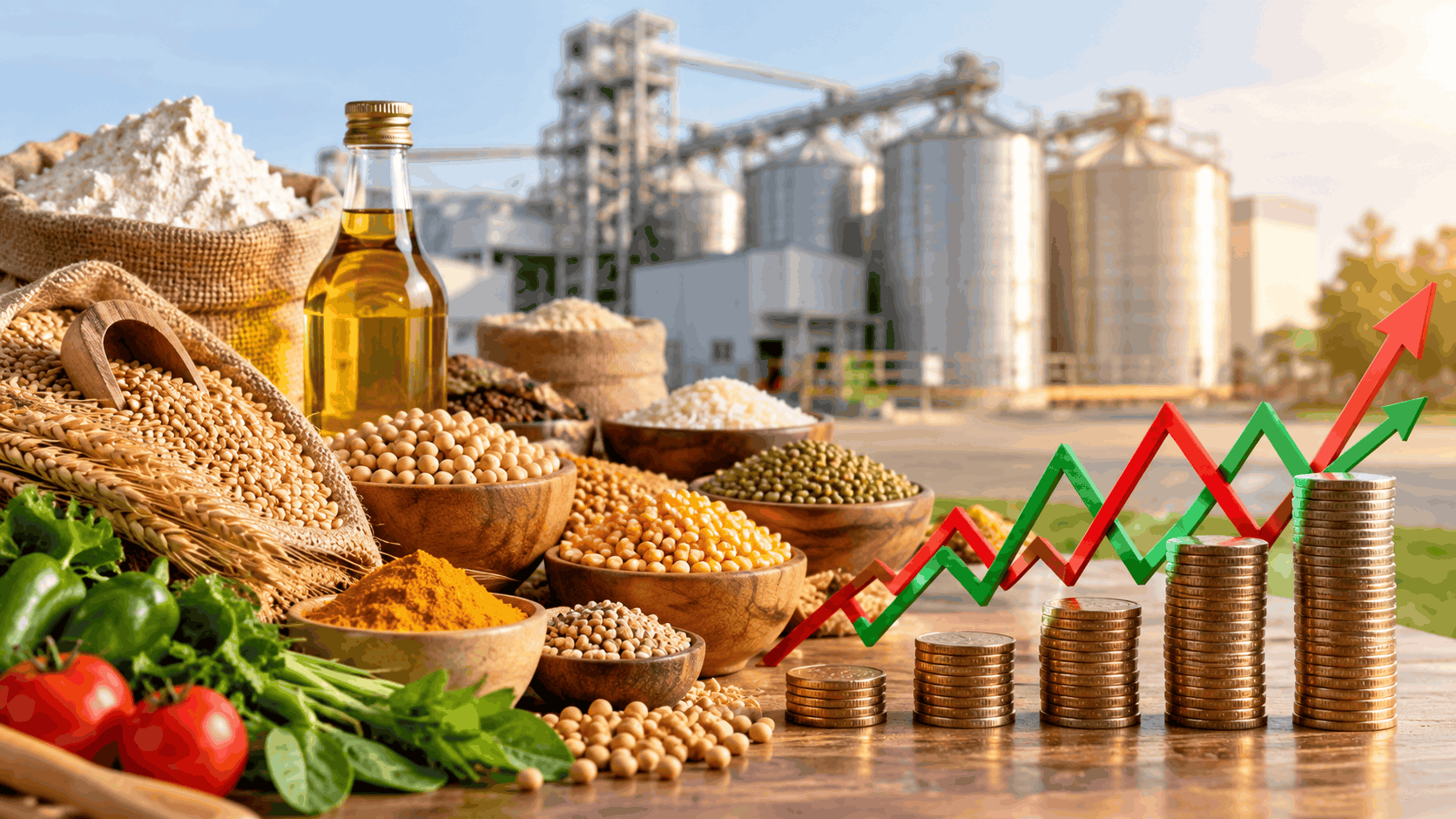
Raw materials are a major cost component in food manufacturing, influencing production budgets, product pricing, profitability, and supply chain stability. Changes in the prices of ingredients, edible oils, grains, packaging materials, and other essential inputs can make production planning difficult. For manufacturers, managing raw material price volatility is essential to maintaining consistent product quality while controlling operating expenses.
Effective raw material cost management in food manufacturing requires more than finding the lowest supplier price. It involves accurate forecasting, strategic purchasing, supplier relationships, inventory planning, and continuous cost monitoring. By adopting these practices, food manufacturers can respond to market changes, reduce unnecessary expenses, and build more resilient operations.
Understanding Raw Material Price Volatility
Raw material price volatility refers to frequent or unexpected changes in the cost of ingredients and production inputs. These fluctuations can result from seasonal availability, weather conditions, transportation expenses, changes in demand, currency movements, and disruptions in the food supply chain.
For example, a rise in edible oil or grain prices can increase the cost of producing packaged snacks, while changes in fruit availability may affect beverage manufacturing expenses. Food ingredient price fluctuations can also influence purchasing decisions, production schedules, and final product pricing.
Understanding these factors helps manufacturers identify potential risks before they significantly affect their budgets. Regularly reviewing supplier quotations, market information, and historical purchasing data provides a stronger foundation for food manufacturing cost management.
Effective Strategies for Managing Raw Material Costs
Develop Reliable Raw Material Procurement Strategies
A structured procurement process helps manufacturers purchase ingredients at competitive prices without compromising quality. Instead of depending on a single supplier, businesses can evaluate multiple qualified suppliers based on price, consistency, delivery reliability, quality standards, and payment terms.
Building long-term supplier relationships can also improve communication and provide better visibility into upcoming price changes. Where commercially practical, manufacturers can negotiate volume-based pricing, agreed purchasing terms, or scheduled deliveries.
These raw material procurement strategies help businesses manage uncertainty while ensuring that essential ingredients remain available when production requires them.
Improve Forecasting and Inventory Planning
Accurate demand forecasting is an important part of raw material cost forecasting. Manufacturers should review historical sales, seasonal demand, production schedules, current inventory, and expected customer orders before deciding how much material to purchase.
Purchasing excessive quantities can increase storage costs, tie up working capital, and create spoilage risks for perishable ingredients. Buying too little may lead to production delays or urgent purchases at higher prices.
A balanced inventory strategy helps businesses maintain suitable stock levels while reducing waste. For ingredients with longer shelf lives, planned bulk purchasing may be beneficial when storage capacity, cash flow, and expected consumption support the decision.
Strengthen Supplier Diversification
Depending heavily on one supplier can expose a manufacturer to price increases, delivery delays, and shortages. Identifying alternative suppliers for critical ingredients reduces this dependency and creates greater purchasing flexibility.
However, changing suppliers should involve proper quality checks and specification reviews. Food manufacturers must ensure that alternative ingredients meet the required safety, quality, and performance standards before approving them for production.
A diversified supplier network strengthens food supply chain cost management and helps businesses respond more effectively to unexpected market disruptions.
Optimize Production and Reduce Waste
Controlling purchasing costs is only one part of managing manufacturing expenses. Efficient production processes can also reduce the financial impact of rising ingredient prices.
Manufacturers can review material usage, batch yields, storage conditions, production losses, and packaging efficiency to identify avoidable waste. Standardized recipes, accurate weighing, preventive equipment maintenance, and appropriate stock rotation can improve resource utilization.
These food manufacturing cost reduction strategies should preserve product quality and safety. Any ingredient substitution or formulation change must be assessed carefully to maintain product consistency, regulatory compliance, and customer expectations.
Challenges and Future Trends in Cost Management
Raw material cost fluctuations can be difficult to predict because several factors may change simultaneously. Smaller manufacturers may face additional challenges when negotiating supplier prices, maintaining safety stock, or accessing reliable market information.
Digital inventory systems, purchasing dashboards, and data-driven forecasting tools can help businesses monitor costs and identify unusual spending patterns. Manufacturers can also compare supplier performance, track ingredient consumption, and review purchasing variances to make better-informed decisions.
Sustainability and traceability are becoming important considerations in ingredient sourcing strategies. Evaluating suppliers for consistent quality, responsible sourcing practices, and dependable delivery can support long-term operational resilience. The most effective approach combines cost awareness with quality assurance, supplier reliability, and disciplined planning.
For businesses seeking external production support, EXIITO's contract manufacturing services provide a relevant starting point for exploring manufacturing requirements, production planning, quality expectations, and agreed commercial terms.
Conclusion
Managing raw material price volatility requires a proactive approach to purchasing, forecasting, inventory control, supplier diversification, and production efficiency. By strengthening these processes, food manufacturers can reduce avoidable costs, protect product quality, and improve operational stability.
Businesses should regularly review their procurement decisions, monitor ingredient consumption, and adapt their plans as market conditions change. Consistent cost management can support healthier margins and more reliable production.
Looking for a manufacturing partner for your food or beverage brand? Explore EXIITO's manufacturing services to learn about available manufacturing models, or contact the EXIITO team to discuss your product requirements and production goals.