
Introduction
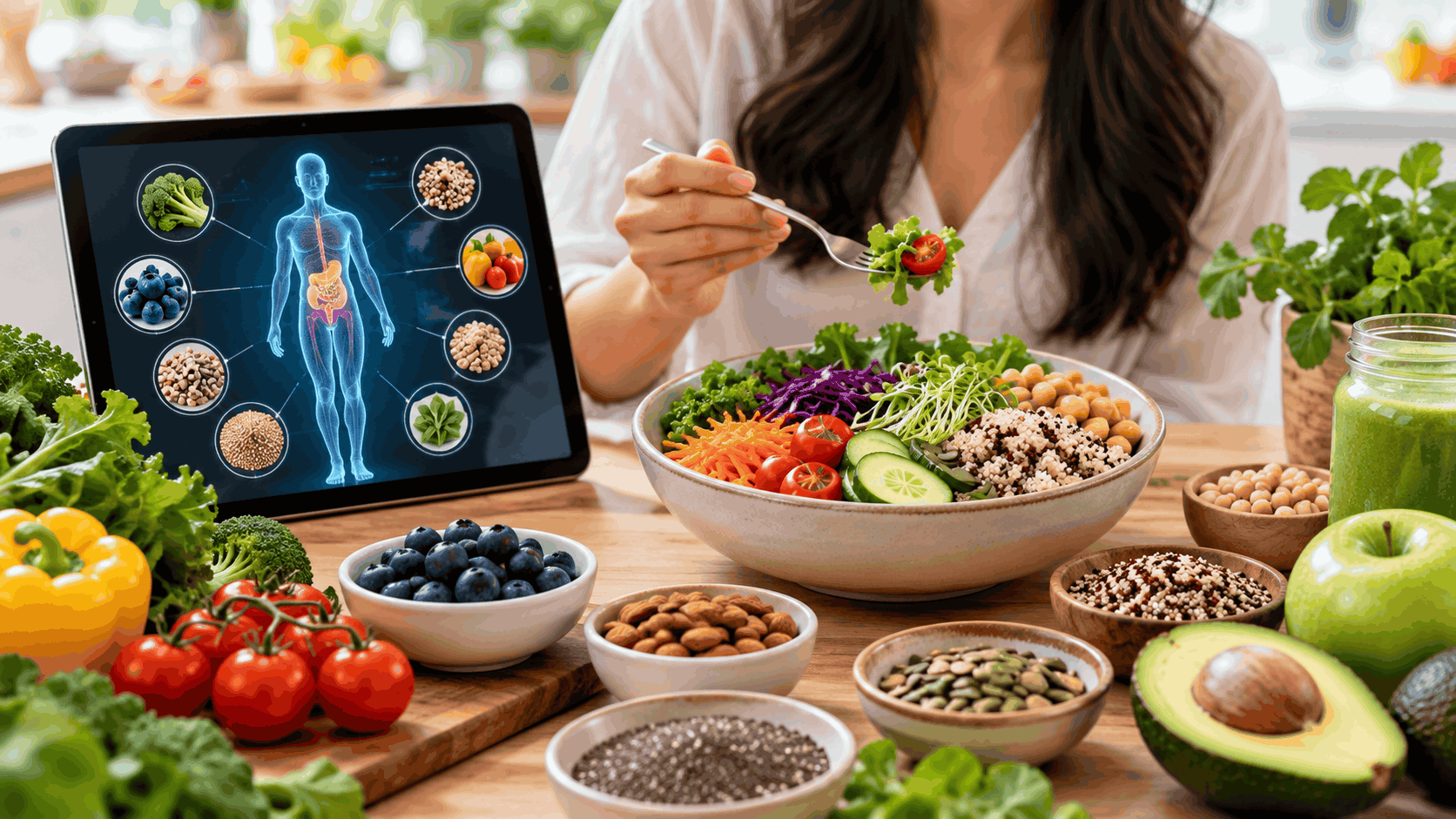
Personalized Nutrition is changing how people think about food, dietary choices, and everyday nutrition. Instead of following the same dietary approach, consumers are increasingly interested in food choices that reflect their individual needs, preferences, lifestyles, and health goals. This shift is encouraging food manufacturers to explore new ingredients, product formulations, and technologies that support more tailored nutrition solutions.
As the food industry evolves, Personalized Nutrition is becoming an important area of food innovation. Advances in nutrition research, digital tools, and consumer insights are creating opportunities for businesses to develop products that align with different dietary requirements. Understanding these developments can help food manufacturers, ingredient suppliers, and emerging brands prepare for the future of food and nutrition.
What Is Personalized Nutrition?
Personalized Nutrition refers to an approach to dietary planning that considers individual differences rather than applying identical recommendations to everyone. Dietary needs can vary depending on age, activity level, food preferences, cultural practices, nutritional requirements, and individual health conditions.
For example, an active individual may prioritise protein-rich foods, while another consumer may focus on increasing fibre intake or reducing added sugar. Personalized Nutrition aims to make food choices more relevant to these differences.
Precision nutrition in the food industry takes this concept further by using individual data, scientific research, and technology to develop more targeted dietary recommendations. However, personalised approaches vary in their scientific support, and complex dietary needs should be addressed with qualified healthcare professionals.
How Personalized Nutrition Is Influencing the Food Industry
Growing Demand for Personalized Food Products
Consumers are exploring food products that match their preferences and everyday routines. This creates opportunities for manufacturers to develop products with different nutritional profiles, ingredient combinations, portion sizes, and flavour options.
Personalized food products may include protein-enriched snacks, fibre-rich foods, plant-based alternatives, and beverages formulated for specific consumer preferences. These products do not necessarily provide individualised nutrition on their own, but they can offer more choices for people with different dietary priorities.
Food businesses can explore EXIITO's product range to understand how different food and beverage categories serve varied consumer preferences.
The Role of Technology in Nutrition
Personalized Nutrition technology is helping make nutrition information more accessible. Mobile applications, digital food diaries, wearable devices, and data-analysis tools can help people understand eating patterns and monitor selected lifestyle indicators.
More advanced approaches may use information about genetics, metabolism, or gut microbiome composition to investigate individual responses to food. However, these technologies have limitations, and not every test or digital recommendation has established clinical value.
For manufacturers, technology can also support consumer research, product development, and the analysis of purchasing preferences. When used responsibly, these insights can help businesses understand market needs without making unsupported health claims.
Benefits and Opportunities of Customized Nutrition Solutions
Customized nutrition solutions can help consumers make more informed food choices by considering their specific preferences and dietary requirements. They can also encourage greater attention to ingredient lists, nutritional composition, portion sizes, and overall eating patterns.
For food manufacturers, this trend creates opportunities to develop differentiated products and respond to changing consumer expectations. Nutrition-based food innovation may involve adjusting protein content, incorporating fibre-rich ingredients, exploring plant-based formulations, or developing products with reduced added sugar.
Functional food products are another relevant area. These foods are developed or marketed for particular nutritional or physiological purposes beyond basic nourishment, depending on their formulation and applicable regulations. Their value depends on the ingredients used, the quality of supporting evidence, and the suitability of the product for its intended consumers.
In India, food industry trends are also shaped by regional tastes, traditional ingredients, convenience, affordability, and changing lifestyles. Manufacturers that balance nutritional considerations with taste, food safety, accessibility, and consistent quality may be better positioned to respond to diverse consumer expectations.
Businesses interested in developing tailored products can explore EXIITO's ODM manufacturing solutions, which cover product concepts, formulation, and manufacturing support across multiple food categories.
Challenges and Future Trends in Personalized Nutrition
Despite its potential benefits, personalized nutrition still faces several challenges. Collecting and interpreting personal data requires appropriate privacy safeguards, while individualised testing and specialised products may be expensive or inaccessible to some consumers.
Another challenge is scientific accuracy. Dietary recommendations should be supported by reliable evidence rather than exaggerated marketing claims. Manufacturers must also consider ingredient compatibility, nutritional consistency, shelf life, food safety, labelling requirements, and production feasibility when developing new products.
Looking ahead, Personalized Nutrition trends may include smarter digital nutrition tools, improved understanding of individual dietary responses, and greater interest in flexible product formulations. Advances in food science could help manufacturers investigate new ingredient combinations and develop products for clearly defined consumer needs.
The broader functional beverages trend in India also illustrates how consumer interest in nutrition, convenience, and product innovation is influencing beverage development. Nevertheless, personalised products must deliver credible nutritional value, appropriate labelling, and a satisfying consumer experience.
Conclusion
Personalized Nutrition represents an evolving opportunity for the future of food. By combining nutrition research, consumer insights, responsible technology, and thoughtful product development, food businesses can explore solutions that better reflect diverse dietary preferences and requirements.
For manufacturers and emerging brands, the key is to balance innovation with scientific evidence, food safety, transparent communication, and consistent quality.
Looking to develop innovative food or beverage products for changing consumer needs? Explore EXIITO's manufacturing capabilities to learn more about its product categories and manufacturing services.