
Introduction
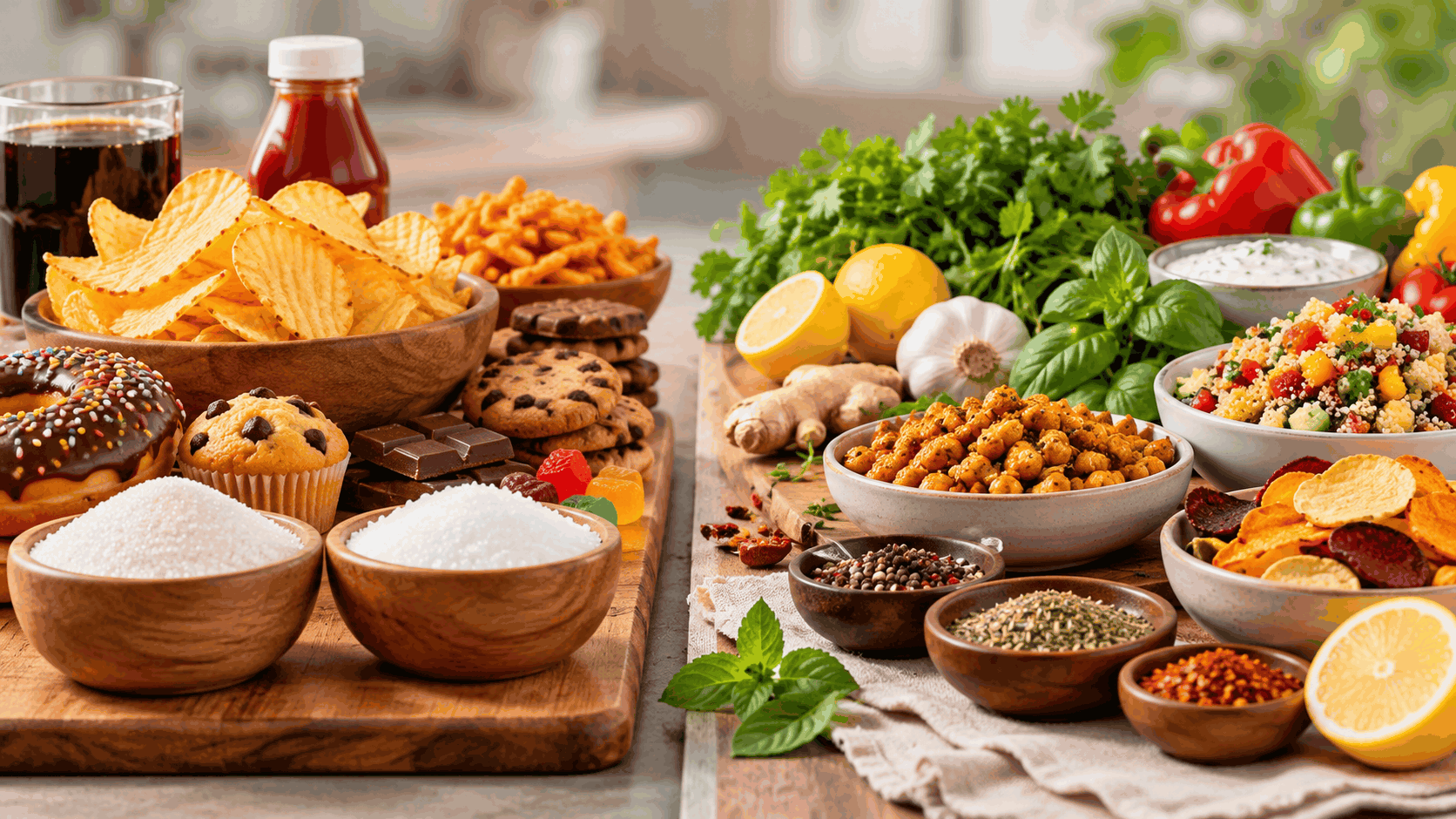
Consumers are increasingly paying attention to the nutritional value of the foods they eat. As a result, food manufacturers are exploring ways to reduce added sugar and sodium while maintaining the flavour, texture, appearance, and overall quality of their products. Sugar and sodium reduction in processed foods has become an important consideration in modern food formulation, particularly as brands respond to changing consumer preferences and demand for more balanced food choices.
However, reducing these ingredients is not as simple as removing them from a recipe. Sugar and salt contribute to taste, texture, preservation, and processing performance. Manufacturers must therefore adopt effective food reformulation techniques that maintain product appeal while supporting improved nutritional profiles.
Why Sugar and Sodium Reduction Matters
Sugar contributes sweetness, bulk, moisture retention, and browning in many food products. Sodium, commonly consumed through salt, enhances flavour and can support preservation, texture, and other functional properties. Excessive intake of added sugars and sodium is associated with health concerns, making their reduction an important consideration in food product development.
Sugar reduction in food products can help manufacturers respond to consumers seeking lower-sugar alternatives. Similarly, sodium reduction in processed foods can support the development of products with lower salt content. The challenge is to achieve these changes without creating an unpleasant taste or compromising product safety.
Effective Food Reformulation Techniques
Developing Low-Sugar Food Formulations
Low-sugar food formulation requires a clear understanding of how sweetness interacts with other ingredients. Manufacturers can explore suitable sweeteners, fruit-derived ingredients, flavour combinations, and recipe adjustments to reduce added sugar while maintaining an enjoyable taste.
For example, balancing acidity with sweetness can help improve the flavour profile of selected beverages, sauces, and fruit-based products. Certain high-intensity sweeteners may also help replace some of the sweetness provided by sugar, although their suitability depends on the product category and applicable regulations.
Sugar also affects viscosity, mouthfeel, and browning. Therefore, manufacturers should evaluate each formulation carefully rather than relying on sweetness replacement alone. Product trials and sensory testing can help determine whether the revised recipe delivers the expected consumer experience.
Improving Sodium Reduction in Processed Foods
Reducing salt requires a similarly structured approach. Food manufacturers can explore herbs, spices, aromatic ingredients, and flavour-enhancing combinations to maintain a satisfying taste with less sodium. Depending on the application, potassium-based salt substitutes may also be considered, subject to technical suitability, safety requirements, and labelling regulations.
The most effective strategy depends on the product. Seasonings, savoury snacks, sauces, and ready-to-eat meals each have different flavour and processing requirements. Gradual sodium reduction, combined with consumer sensory testing, can help manufacturers identify acceptable formulations.
Importantly, salt reduction must not compromise microbial safety. When sodium contributes to preservation, manufacturers need to validate alternative preservation methods and establish appropriate controls before commercial production.
Maintaining Taste, Texture, and Product Quality
Taste optimization in food manufacturing involves more than balancing sweetness and saltiness. Aroma, acidity, bitterness, texture, and aftertaste all influence how consumers perceive a product.
Manufacturers should conduct controlled trials to compare the original formulation with revised versions. Sensory panels can assess flavour, mouthfeel, aroma, and overall acceptance. Laboratory testing can help verify nutritional composition, while shelf-life studies and appropriate safety assessments determine whether the reformulated product remains suitable throughout its intended storage period.
These steps are particularly important when developing healthy processed foods with reduced sugar or sodium. A formulation that performs well during initial tasting may behave differently during storage or distribution.
Clean Label Products and Emerging Food Trends
The demand for clean label food products is encouraging manufacturers to examine ingredient choices, product transparency, and formulation simplicity. However, clean label positioning does not automatically mean that a product contains less sugar or sodium. Nutritional improvements must be supported by the actual formulation and verified product information.
Food product development trends in India also present opportunities for brands to create products that balance familiar flavours with evolving nutritional expectations. Manufacturers can explore reduced-sugar beverages, lower-sodium savoury snacks, and other reformulated products suited to their target markets.
Businesses seeking production partners can review EXIITO's manufacturing capabilities to understand its product development and manufacturing services. Any proposed low-sugar or low-sodium formulation should be evaluated individually for ingredient compatibility, processing requirements, regulatory compliance, and production feasibility.
Challenges and the Future of Food Reformulation
One of the main challenges in sugar and sodium reduction is consumer acceptance. If sweetness decreases too sharply or salt substitutes introduce unfamiliar flavours, customers may reject the product. Ingredient costs, availability, processing conditions, and labelling requirements can create additional difficulties.
To address these challenges, manufacturers should use an evidence-based development process. This includes defining nutritional targets, selecting suitable ingredients, conducting pilot trials, evaluating sensory performance, and verifying product stability. Clear communication about nutritional changes can also help consumers understand the benefits without creating misleading expectations.
As formulation technologies and consumer preferences evolve, continued investment in research, testing, and quality assurance will remain important for developing competitive products.
Conclusion
Sugar and sodium reduction in processed foods requires a careful balance between nutrition, taste, safety, and product performance. By applying effective reformulation techniques, conducting sensory evaluations, and validating product quality, manufacturers can develop products that meet changing consumer expectations without sacrificing the eating experience.
For businesses exploring new food products or customised formulations, partnering with an experienced manufacturer can help structure the development process. Explore EXIITO's contract manufacturing services or product development and manufacturing solutions to discuss your requirements and evaluate suitable options for your brand.
Contact EXIITO to discuss your product concept, formulation goals, and manufacturing needs.