
Introduction
Protein plays an essential role in maintaining the body's normal functions, supporting muscle development, and repairing tissues. As consumers become more aware of nutrition, Protein-Fortified Food Products are gaining attention in the food industry. These products are developed by adding protein-rich ingredients to existing or newly formulated foods to increase their protein content.
From snacks and cereals to dairy alternatives and ready-to-drink beverages, protein fortification offers food manufacturers opportunities to meet changing consumer preferences. However, successful fortification requires scientific understanding, careful ingredient selection, and effective processing methods to maintain taste, texture, safety, and nutritional quality.
Understanding the Science of Protein Fortification
Protein fortification involves incorporating additional protein into a food product to improve its nutritional composition. The process requires more than simply adding a protein ingredient. Manufacturers must understand how proteins interact with other ingredients and respond to processing conditions.
Proteins are made up of amino acids, which the body uses for various biological functions. Different protein sources contain different amino acid profiles and may vary in digestibility. Therefore, selecting an appropriate ingredient depends on the product's purpose, target audience, and nutritional requirements.
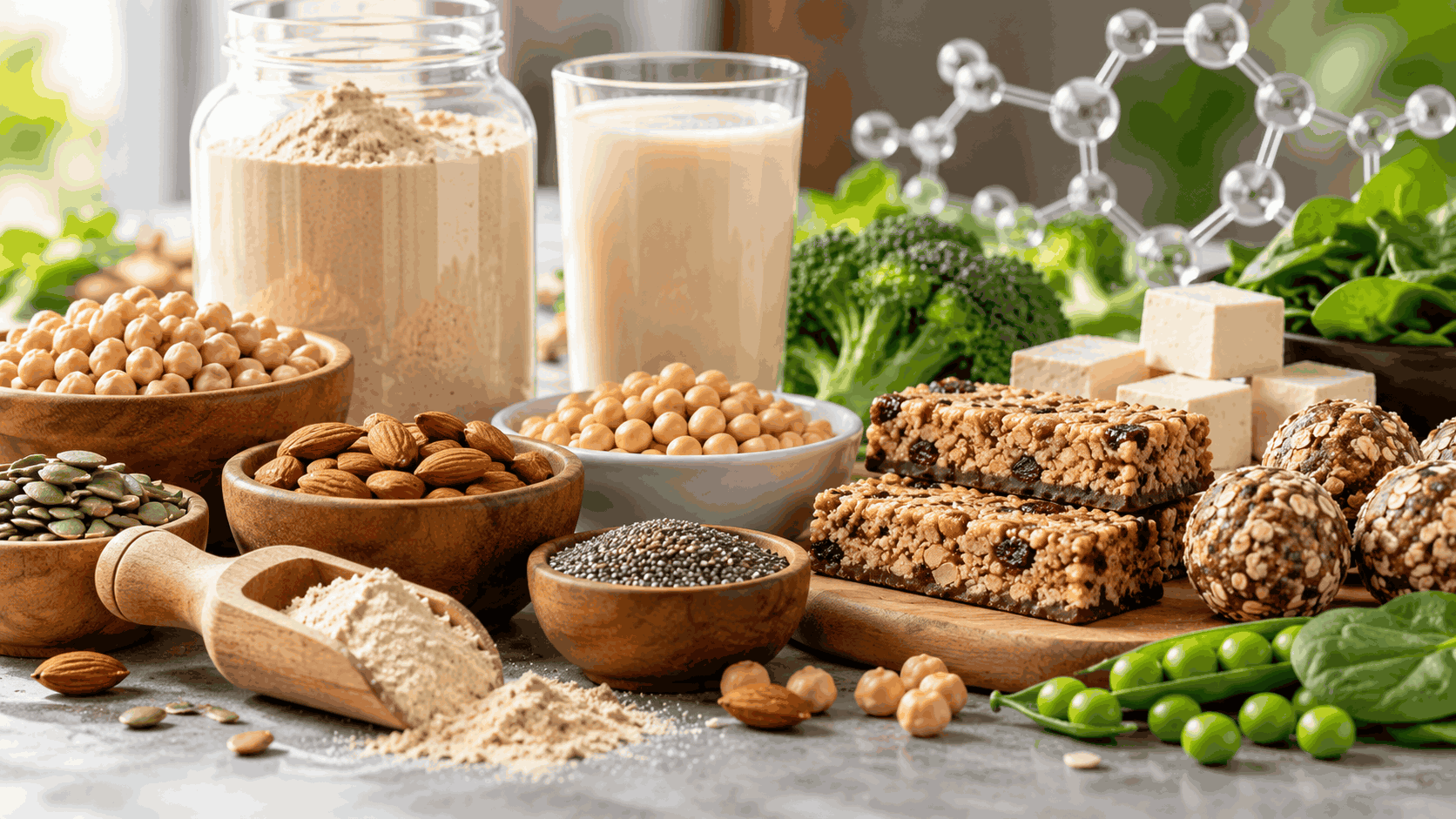
Protein-Enriched Food Products can be formulated using animal-based sources, such as milk proteins and eggs, or plant-based ingredients, including soy, peas, and pulses. Each source has distinct functional properties that influence the final product's performance.
Benefits of Protein-Fortified Foods
Supporting Everyday Nutritional Needs
One of the main benefits of protein-fortified foods is their potential to help consumers increase their daily protein intake. Protein contributes to the maintenance of muscle mass, supports tissue repair, and helps produce enzymes and hormones. Fortification can make protein more accessible through familiar food formats.
However, individual protein requirements vary according to age, body weight, activity level, and overall health. Fortified products should complement a balanced diet rather than replace a varied range of nutritious foods.
Developing Convenient High-Protein Foods
Modern consumers often seek convenient options that fit into busy routines. High-Protein Foods, including fortified snack bars, cereals, powders, and beverages, can provide additional dietary protein without requiring major changes to established eating habits.
For manufacturers, these products offer opportunities to develop innovative food formats for different consumer preferences. The nutritional value of a product still depends on its complete formulation, including sugar, fat, fibre, sodium, and overall portion size.
Choosing Protein Sources and Ingredients
Animal-Based and Plant-Based Proteins
Sources of protein in food products include dairy proteins, egg proteins, soy protein, pea protein, and other pulse-derived ingredients. Animal-based proteins can provide all essential amino acids, while plant proteins vary in their amino acid composition. Carefully combining complementary plant sources can help improve the overall amino acid profile.
Plant-Based Protein Ingredients are particularly relevant for manufacturers developing products for vegetarian, vegan, or dairy-free consumers. Ingredient selection should also consider allergen requirements, availability, cost, sustainability, and consumer acceptance.
Maintaining Taste and Texture
Protein fortification can change a product's flavour, colour, viscosity, solubility, and mouthfeel. For example, certain protein ingredients may produce a grainy texture, affect beverage stability, or introduce noticeable flavours.
To overcome these challenges, manufacturers need to evaluate various ingredient concentrations, processing conditions, and product formulations. Pilot trials and sensory evaluations help identify a suitable balance between nutritional value and consumer appeal.
Protein Fortification in Food Manufacturing
Protein Fortification in Food requires controlled formulation and processing practices. Heat treatment, mixing intensity, acidity, and storage conditions can influence protein functionality and product stability.
Food manufacturers should evaluate ingredient compatibility, nutritional composition, microbiological safety, and shelf life throughout product development. Appropriate testing helps verify that the final product meets its intended specifications and remains consistent during storage.
Businesses exploring customised product development can review EXIITO's manufacturing capabilities to understand its supported product categories and manufacturing models. Brands considering new formulations should discuss their specific protein ingredients, technical requirements, and production feasibility directly with the manufacturer rather than assume that every formulation is already available.
Challenges and Future Trends in the Protein Food Industry in India
The Protein Food Industry in India has opportunities to serve consumers seeking convenient, nutrition-focused food options. Nevertheless, manufacturers must address ingredient costs, formulation complexity, supply consistency, labelling requirements, and consumer expectations around taste and affordability.
Emerging product development approaches include plant-based protein blends, improved ingredient processing, and formulations designed to deliver better texture and stability. Clear nutritional information and transparent ingredient declarations can also help consumers make informed choices.
Food businesses planning new protein-enriched products may explore EXIITO's contract manufacturing services to discuss their product specifications and production requirements. Any proposed protein-fortified product would need individual technical evaluation, ingredient validation, and appropriate nutritional and safety testing before commercial production.
Conclusion and CTA
Protein-fortified food products combine nutritional science with food formulation and manufacturing expertise. When formulated responsibly, these products can help consumers boost their protein intake through convenient food options while encouraging innovation across the food industry. Successful Food Fortification and Nutrition strategies depend on selecting suitable protein sources, maintaining product quality, and ensuring accurate nutritional information. For businesses considering new food concepts, careful research and technical collaboration are essential.