
Introduction
The beverage manufacturing industry is continuously evolving as companies look for better ways to improve production speed, maintain product quality, and meet changing consumer demands. One of the most important developments is the adoption of automation technologies in beverage filling and bottling operations. Modern production facilities increasingly use automated equipment to manage filling, capping, labelling, inspection, and packaging with greater consistency.
Traditional manual processes can require significant labour and may create variations in filling accuracy, packaging quality, and production output. By introducing beverage filling automation, manufacturers can streamline repetitive activities, improve process control, and support efficient production. As the demand for bottled beverages continues to grow, automated bottling systems are becoming an important part of modern beverage manufacturing.
The Role of Automation in Beverage Filling and Bottling
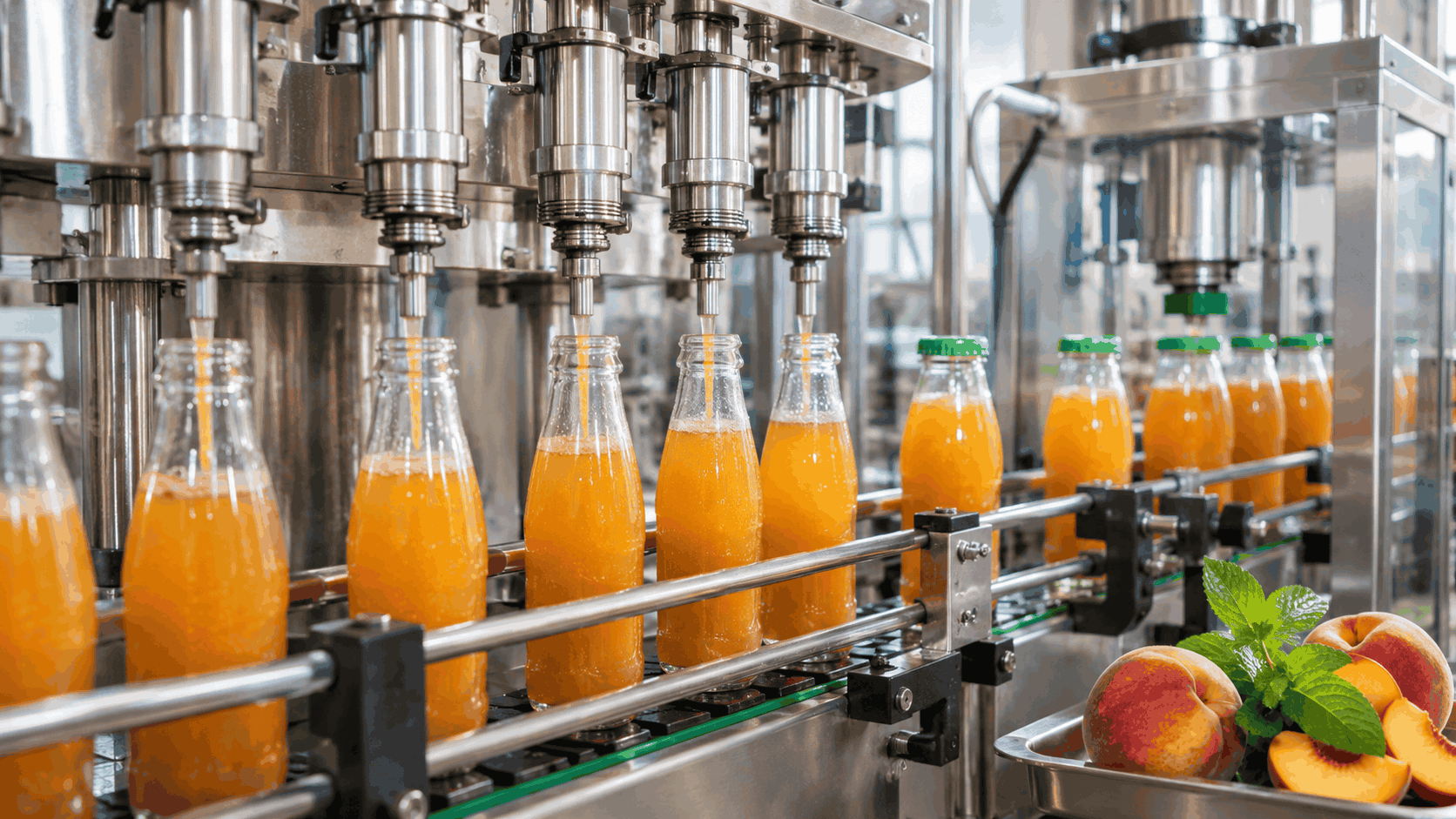
Automation plays an important role in improving different stages of the beverage manufacturing process. Modern beverage filling machines are designed to transfer liquids into bottles according to predefined filling parameters.These systems can be adapted to suit various beverage categories, bottle dimensions, and specific manufacturing needs.
Automatic bottle filling machines help maintain consistent filling levels while reducing unnecessary product spills and handling. Depending on the equipment design, filling systems can use gravity, volumetric, piston, or other suitable filling technologies. Manufacturers select the appropriate method according to product characteristics, viscosity, hygiene requirements, and packaging specifications.
Automated systems can also link filling operations with other stages of the manufacturing process for smoother and more efficient production. This creates a coordinated workflow in which bottles move through filling, capping, labelling, and packaging with reduced manual intervention. Manufacturers exploring different production models can also review EXIITO's manufacturing capabilities.
Key Automation Technologies Used in Beverage Production
Automated Bottle Filling Systems
Bottle filling machines play a crucial role in automated bottling lines by ensuring accurate beverage quantities and maintaining uniform filling levels across all bottles. Depending on the production setup, manufacturers can choose semi-automatic or fully automatic filling equipment.
Modern filling systems can also incorporate sensors and programmable controls to monitor bottle positioning, filling cycles, and machine performance. These features support reliable operations and help reduce inconsistencies during production.
Automatic Capping and Sealing Technology
After filling, bottles move towards the capping or sealing section. Automated capping machines place and tighten caps according to predefined settings. Consistent closure application helps reduce leakage risks and protects beverages from external contamination.
Bottle filling and capping technology is particularly important for manufacturers using different bottle formats and closure types. Proper equipment adjustment helps maintain packaging consistency throughout production.
Conveyor Systems and Bottle Handling
Conveyor systems link various stages of the bottling process, ensuring the smooth and continuous transfer of bottles between machines. Automated bottle handling reduces repeated manual lifting and positioning while improving coordination between production stages.
Sensors monitor bottle presence, alignment, and movement, helping regulate the smooth flow of containers throughout the production line. This improves production organisation and reduces unnecessary interruptions caused by poorly coordinated equipment.
Automated Labelling and Packaging
Beverage packaging automation extends beyond filling and capping. Automatic labelling machines apply labels to bottles in consistent positions, while shrink-wrapping and carton-packing equipment help prepare finished products for storage and distribution.
When these technologies operate together, manufacturers can develop a more organised production line with fewer manual handling requirements and improved packaging consistency.
Benefits of Automation in Beverage Manufacturing
One major advantage of smart beverage manufacturing is improved production efficiency. Automated machines can perform repetitive operations at controlled speeds, helping manufacturers manage larger production requirements while reducing dependence on manual activities.
Another important benefit is filling accuracy. Consistent dispensing settings help minimise variations in product quantity and reduce avoidable wastage. Automated inspection systems can also identify certain packaging defects, such as missing caps, incorrect labels, or improperly positioned bottles.
Automation also supports better quality control in beverage production. Sensors, machine controls, and monitoring systems help operators observe production conditions and identify process irregularities. When combined with appropriate cleaning procedures and quality checks, these technologies can contribute to better hygiene management and consistent product standards.
Furthermore, automated beverage packaging can improve workplace organisation by reducing repetitive manual tasks and creating a more structured production environment.
Businesses interested in understanding how professional manufacturing partnerships work can explore EXIITO's food and beverage manufacturing services.
Challenges and Future Trends in Beverage Filling Automation
Although automation offers several advantages, implementing advanced beverage processing technology requires careful planning. Equipment investment, installation, maintenance, operator training, and production-line integration can increase initial costs. Manufacturers must evaluate production volume, beverage characteristics, available space, and long-term operational requirements before selecting industrial bottling equipment.
Regular maintenance is also essential because machine breakdowns can interrupt the entire production line. Operators need proper training to manage machine settings, identify faults, and follow established safety and hygiene procedures.
Looking ahead, smart sensors, programmable logic controllers, digital monitoring, and data-based maintenance are expected to play increasingly important roles in automated beverage production systems. These technologies can help manufacturers monitor machine performance, identify operational issues, and make better production decisions.
Conclusion and CTA
Automation technologies are transforming beverage filling and bottling operations by improving filling consistency, packaging coordination, production efficiency, and process monitoring. From automatic bottle filling machines to advanced capping, labelling, and conveyor systems, each technology contributes to a more organised manufacturing process.
For beverage manufacturers, selecting suitable automation solutions is an important step towards improving production capabilities and preparing for future market requirements. A well-planned automation strategy can support consistent quality, reduce operational inefficiencies, and create opportunities for sustainable business growth.
Looking for professional beverage manufacturing solutions? Explore EXIITO's contract manufacturing services to understand how manufacturing partnerships can support your business requirements. You can also learn more about EXIITO and its food manufacturing operations.
Ready to discuss your manufacturing requirements? Contact the EXIITO team to explore potential manufacturing opportunities.