
Introduction
Packaging plays an important role in the beverage industry. It does more than hold a drink; it helps protect product quality, supports transportation, communicates brand identity, and influences purchasing decisions. Among the most widely used Beverage Packaging Materials, glass and plastic remain two popular choices for manufacturers.
However, selecting between glass bottle packaging and plastic bottle packaging requires careful consideration. Each material offers different benefits in terms of durability, weight, cost, product compatibility, and environmental impact. Understanding these differences helps beverage brands choose packaging that meets their product requirements and customer expectations.
Understanding Glass and Plastic Beverage Packaging
Glass Bottle Packaging
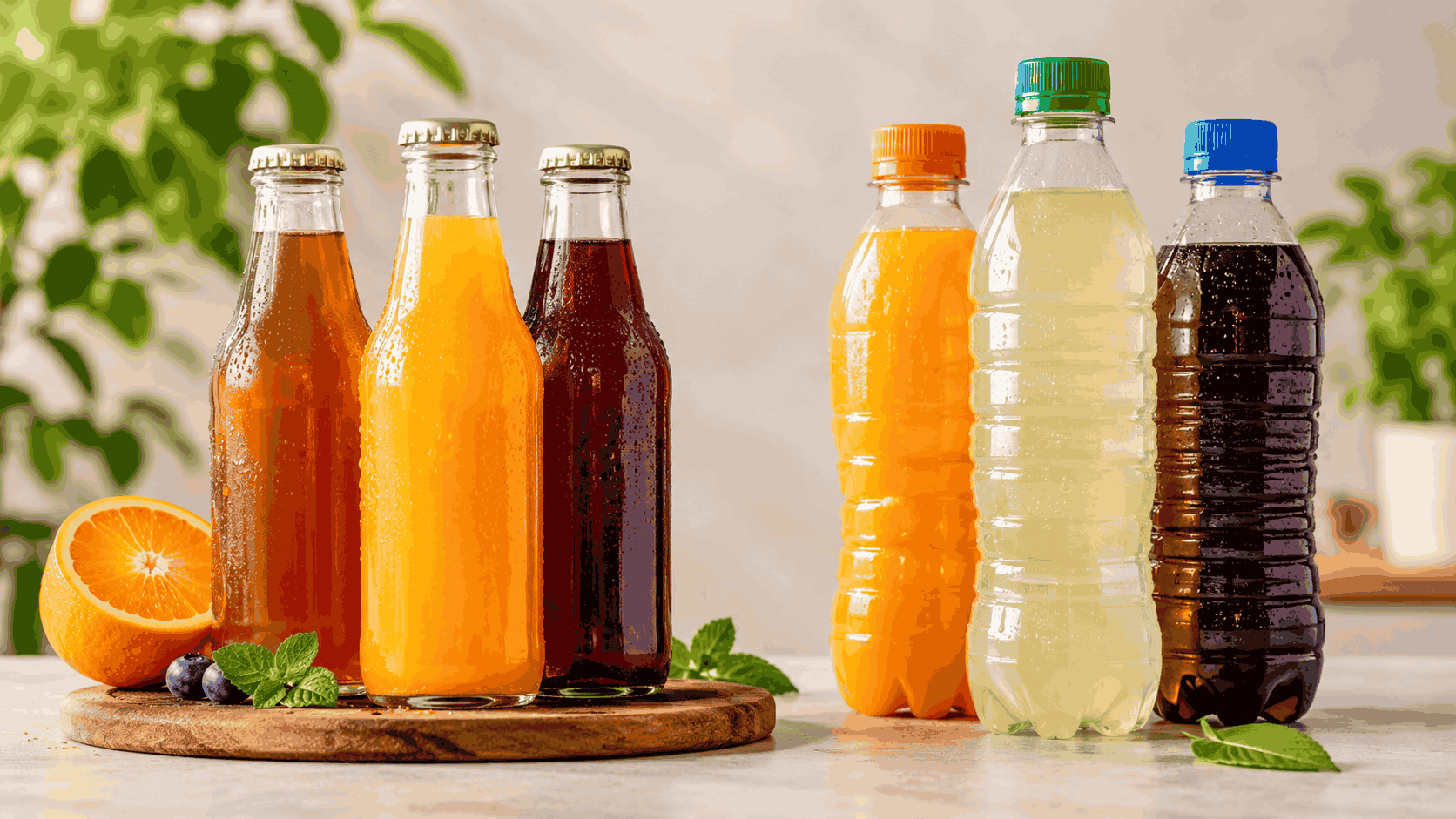
Glass Bottle Packaging has long been associated with premium presentation and product quality. Glass is a rigid, non-porous material that provides a strong barrier against gases and moisture when properly sealed. It generally does not interact with beverage ingredients, making it suitable for many types of drinks.
Glass bottles are commonly used for juices, premium beverages, flavoured drinks, and other products where appearance and packaging quality are important. Their transparency also allows consumers to see the beverage inside, which can support product presentation.
Plastic Bottle Packaging
Plastic Bottle Packaging is widely used because it is lightweight, convenient, and available in different shapes and sizes. Materials such as PET are commonly used for beverage bottles because they offer practical handling and packaging options.
Plastic bottles are generally easier to transport due to their lower weight compared with glass. They are also less likely to break during routine handling, making them suitable for products distributed through supermarkets, retail stores, and delivery channels.
Glass vs Plastic Bottles: Key Differences
Product Protection and Shelf Life
Both materials can protect beverages when the packaging is correctly selected, manufactured, and sealed. Glass provides an excellent barrier against oxygen and moisture, which can help protect beverage characteristics during storage. It is also highly resistant to absorbing flavours and odours.
Plastic bottles can provide effective protection as well, but their barrier performance depends on the type of plastic, bottle design, thickness, and product requirements. Some beverage formulations may require additional barrier properties to maintain quality over time.
Therefore, manufacturers should consider the beverage's ingredients, sensitivity to oxygen and light, processing method, and intended shelf life before selecting a packaging material.
Weight, Handling, and Transportation
One of the main Advantages of Plastic Bottles is their lightweight structure. Lower packaging weight can make transportation and handling easier, particularly when products are distributed over long distances or in large quantities.
Glass bottles are heavier and require careful handling during storage, loading, and transportation. They can also break if dropped or handled improperly. However, reusable glass packaging may be suitable for distribution systems where bottles can be collected, inspected, cleaned, and refilled safely.
Cost and Brand Presentation
The overall cost of beverage packaging depends on bottle design, material quality, production volume, closures, transportation, storage, and handling requirements. Plastic bottles may offer logistical advantages because of their lighter weight, while glass packaging may involve higher transportation and handling costs.
At the same time, the Advantages of Glass Bottles include their premium appearance, transparency, and strong consumer association with quality. For brands targeting premium beverage segments, glass can help create a distinctive shelf presence.
Sustainability and Recyclability
Sustainable Beverage Packaging is becoming an important consideration for manufacturers and consumers. Both glass and plastic have environmental advantages and challenges, so neither material is automatically the better choice in every situation.
Glass can be recycled repeatedly without losing its basic material properties. Reusable glass bottles can also reduce the need for new packaging when an effective return and cleaning system is available. However, glass production requires significant energy, and its heavier weight can increase transportation-related emissions.
Plastic packaging, particularly recyclable PET, is lightweight and can be recycled where suitable collection and processing facilities exist. However, inadequate waste collection and disposal can contribute to plastic pollution. Recycled plastic use also depends on material quality, availability, and applicable food-contact regulations.
The environmental impact of Recyclable Beverage Packaging depends on the complete packaging lifecycle, including manufacturing, transportation, reuse, collection, and recycling infrastructure.
Choosing the Right Beverage Packaging
Choosing the Right Beverage Packaging depends on the product, target market, distribution model, and brand positioning. Manufacturers should evaluate beverage composition, processing conditions, filling requirements, storage temperature, shelf-life expectations, and packaging compatibility.
For example, premium beverages may benefit from the appearance and barrier properties of glass, while products designed for lightweight distribution may be better suited to plastic bottles. The selected bottle must also be compatible with the filling process, closure system, and transportation conditions.
Businesses exploring different Beverage Packaging Solutions should also consider quality checks and packaging trials before large-scale production. EXIITO's R&D and Quality Control processes and Quality Assurance system provide further information about its approach to product development and quality management.
Conclusion
When comparing Glass Bottle Packaging vs Plastic Packaging, there is no single solution that suits every beverage. Glass offers excellent barrier properties, recyclability, and premium presentation, while plastic provides lightweight handling, convenience, and practical distribution advantages.
The right choice depends on product characteristics, shelf-life requirements, manufacturing conditions, cost considerations, and sustainability goals. Beverage brands should evaluate these factors carefully before finalising their packaging strategy.
If you are planning to develop or manufacture a beverage product, explore EXIITO's beverage manufacturing services to learn more about its product development and manufacturing support. You can also contact the EXIITO team to discuss your beverage requirements.