
Introduction
The food industry is constantly evolving as people change what they eat, how they shop, and what they expect from food brands. Taste and price remain important, but consumers are increasingly considering nutrition, convenience, ingredient quality, sustainability, and product variety before making purchasing decisions. These changing consumer preferences in the food industry are encouraging manufacturers to rethink traditional approaches and develop products that better match modern lifestyles.
From healthier snacks and ready-to-drink beverages to convenient packaged foods and environmentally conscious packaging, new expectations are creating opportunities for innovation. Understanding these changes helps food businesses respond to market demand, strengthen customer relationships, and remain competitive in a rapidly changing marketplace. Explore more food industry news and trends to learn about developments influencing food manufacturing.
Consumer Trends in the Food Industry
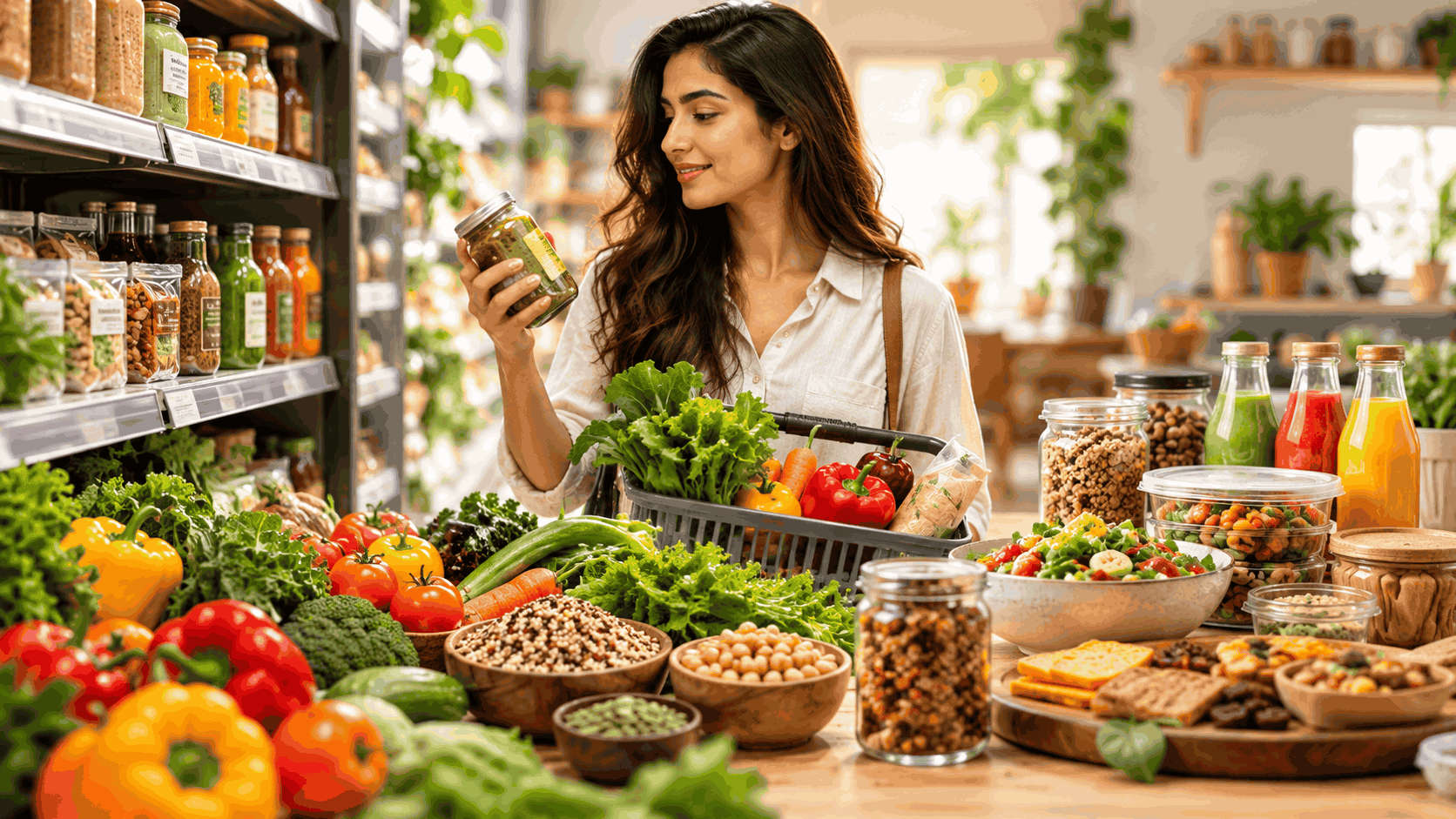
Consumer trends in the food industry reflect changing lifestyles, purchasing habits, and expectations. Busy schedules have increased interest in convenient products that require little preparation, while greater awareness of nutrition has encouraged many consumers to explore healthier food options.
Digital platforms have also influenced how people discover and purchase food. Online grocery shopping, food delivery applications, social media, and product reviews allow customers to compare options and learn about brands before buying. As a result, businesses must consider not only product quality but also packaging, availability, product information, and the overall customer experience.
For manufacturers, recognising these changing food consumption habits is essential. Regular market research and customer feedback can help businesses identify emerging preferences and adjust their product ranges accordingly. Read more about emerging food markets and opportunities for manufacturers and brands.
Healthy Food Trends and Changing Expectations
Health and wellness have become important considerations for many food consumers. People are showing interest in products with clear ingredient information, balanced nutritional profiles, and options that suit their dietary preferences. This has created opportunities for nutrient-rich foods, portion-controlled snacks, fruit-based beverages, and products formulated with carefully selected ingredients.
However, healthier positioning requires more than attractive packaging or marketing claims. Food businesses must ensure that product formulations, ingredient information, and nutritional statements are accurate and appropriate. Manufacturers should evaluate taste, texture, stability, and nutritional requirements together to create products that meet consumer expectations without compromising quality.
The growing consumer demand for healthy foods also encourages brands to offer greater variety. Depending on the target market, this may include products with reduced sugar, whole grains, plant-based ingredients, or other specific formulation characteristics. For further insights, explore personalized nutrition and the future of food and the rise of functional foods and food innovation. The most suitable approach depends on consumer needs, product feasibility, and applicable food regulations.
Sustainable Food Choices and Packaging
Environmental awareness is influencing how some consumers evaluate food brands. Packaging waste, responsible sourcing, and material efficiency are becoming relevant considerations when people compare products. Businesses are therefore exploring packaging formats that protect food quality while reducing unnecessary material use.
Sustainable food choices involve more than packaging alone. Manufacturers can also review production efficiency, ingredient sourcing, inventory management, and waste reduction throughout their operations. These measures may support more responsible resource use while helping businesses identify operational improvements.
Nevertheless, packaging decisions must balance environmental considerations with food safety, product protection, transport requirements, and shelf-life needs. A suitable solution should be evaluated according to the product and its intended storage conditions rather than relying on sustainability claims alone. Learn more about how packaging design influences food safety and consumer trust.
Food Industry Innovation and Product Development
As customer expectations evolve, food industry innovation is becoming essential for product differentiation. Brands are experimenting with flavours, formats, ingredients, and packaging to serve different customer groups and consumption occasions. Convenient beverages, customised snack products, and regional flavour variations are examples of areas where businesses may explore new opportunities.
Successful food product development begins with understanding the target audience. Manufacturers need to consider consumer preferences, ingredient availability, formulation feasibility, production requirements, packaging compatibility, and the intended price range. Product samples and feedback can then help refine the recipe before commercial production.
Businesses planning to launch new products can explore EXIITO's ODM manufacturing solutions, which support product concept development, formulation, sampling, and manufacturing. Companies with an established recipe can also review EXIITO's OEM manufacturing services to understand how production can be carried out according to approved specifications.
Quality, Trust, and the Future of the Food Industry
While consumer preferences continue to change, trust remains an important part of purchasing decisions. Customers expect food products to meet appropriate quality and safety requirements and to provide clear, reliable information. Consistency across batches, suitable packaging, and accurate labelling can help businesses build long-term relationships with their customers.
This makes research, testing, and quality management important throughout product development and manufacturing. EXIITO's R&D and quality control services connect product development with testing and quality checks. Its quality assurance processes also explain how material checks, production controls, and traceability contribute to consistent manufacturing.
Looking ahead, the future of the food industry will likely involve continued experimentation with healthier formulations, convenient product formats, digital purchasing experiences, and more resource-conscious operations. Businesses that listen to customers, evaluate market changes, and maintain dependable quality systems will be better positioned to adapt.
Conclusion
Changing consumer preferences are transforming the food industry by influencing product development, packaging, purchasing behaviour, and quality expectations. Health awareness, convenience, sustainability, and demand for new experiences are encouraging manufacturers to rethink how they develop and deliver food products.
For food brands, staying relevant means understanding customers and translating their needs into safe, appealing, and commercially practical products. Whether you are developing a new concept or expanding an existing range, working with an experienced manufacturing partner can help turn ideas into market-ready products.
Explore EXIITO's food manufacturing services or contact the EXIITO team to discuss your product requirements and manufacturing goals.