
Introduction
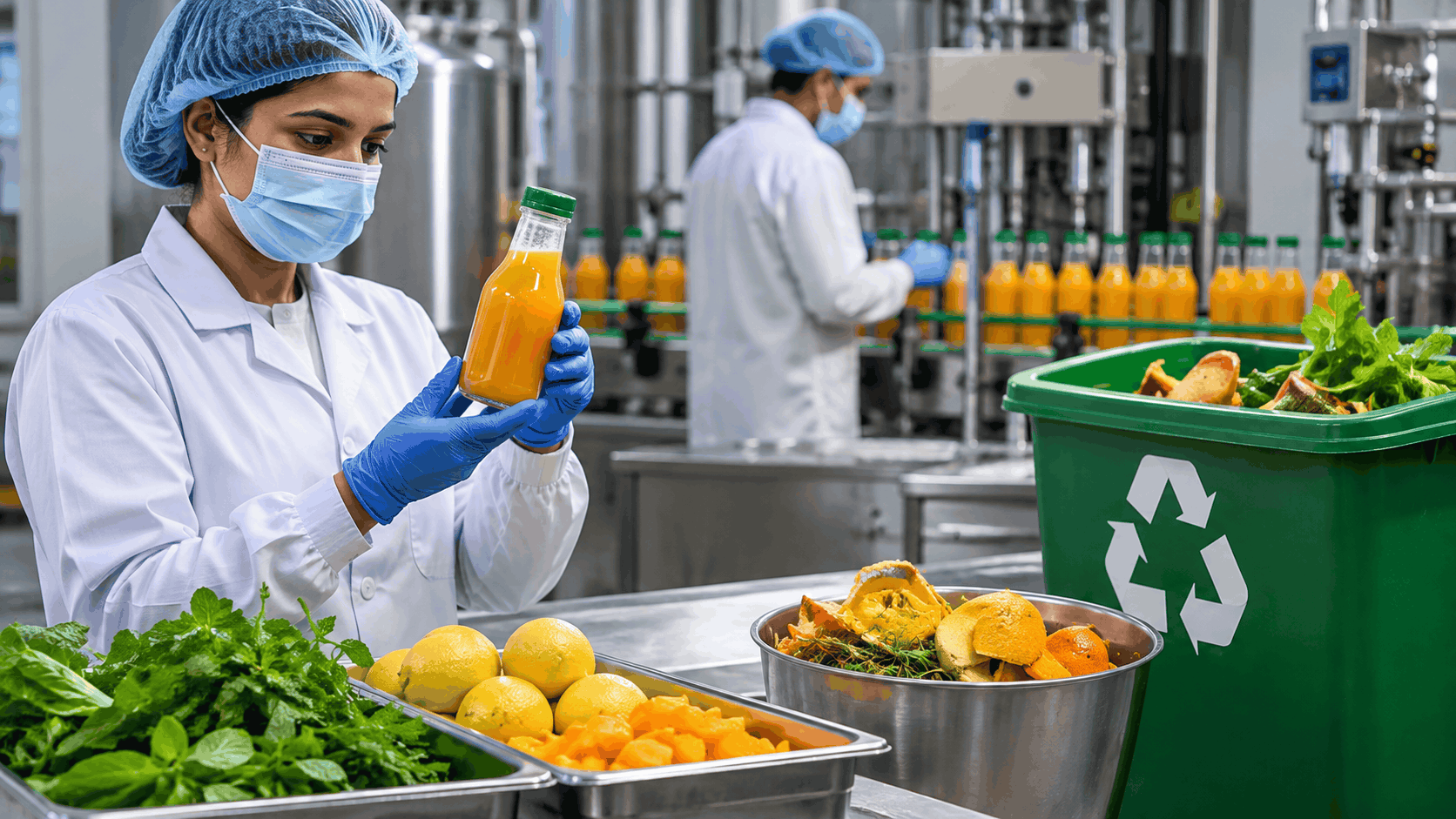
Food manufacturing involves several stages, including raw material sourcing, processing, production, packaging, storage, and distribution. At every stage, businesses may experience material losses, excess inventory, damaged products, or unnecessary resource consumption. These issues can increase operating costs, affect production efficiency, and create environmental challenges. Therefore, implementing effective Waste Reduction in Food Manufacturing practices is essential for businesses looking to improve productivity and maintain consistent product quality.
Food manufacturers can minimise waste by improving production planning, monitoring raw materials, maintaining equipment, strengthening quality control, and adopting sustainable manufacturing practices. With the right approach, companies can use resources more efficiently while supporting long-term business growth.
Improve Raw Material Management
Effective raw material management is one of the most important steps in reducing manufacturing waste. Poor storage conditions, inaccurate inventory records, excessive purchasing, and improper handling can lead to ingredient spoilage and unnecessary losses.
Manufacturers should maintain accurate inventory records and follow the First In, First Out (FIFO) principle, ensuring that older materials are used before newer stock. Temperature-sensitive ingredients should be stored under appropriate conditions, while dry ingredients must be protected from moisture, contamination, and pests.
Regular inventory inspections can also help identify damaged, expired, or unused materials before they become significant losses. Proper supplier coordination and demand forecasting further help businesses purchase the quantities they actually need.
Optimise Production Planning and Processes
Poor production planning can result in overproduction, unused ingredients, product leftovers, and unnecessary energy consumption. Manufacturers should align production schedules with actual market demand, inventory levels, and order requirements.
Accurate forecasting helps businesses determine appropriate batch sizes and avoid producing more products than necessary. Standardised recipes, clearly defined operating procedures, and controlled ingredient measurements can also reduce material variations during manufacturing.
For businesses handling multiple product categories, organised production schedules can minimise unnecessary changeovers and reduce the possibility of ingredient mixing or product contamination. Explore EXIITO's food manufacturing services to understand different manufacturing approaches for food brands.
Maintain Equipment and Reduce Processing Losses
Manufacturing equipment plays an important role in controlling production waste. Poorly maintained machines may cause leakage, inconsistent filling, inaccurate measurements, product spillage, and unexpected production interruptions.
Preventive maintenance helps identify equipment problems before they lead to significant material losses. Regular inspections, equipment calibration, cleaning schedules, and timely replacement of worn components can improve operational reliability.
Manufacturers should also monitor processing parameters such as temperature, pressure, mixing time, and filling volume. Consistent operating conditions help maintain product specifications and reduce rejected batches.
Strengthen Quality Control at Every Stage
Quality control is essential for identifying defects before products reach the packaging or distribution stage. When manufacturers inspect only finished products, production problems may remain unnoticed for extended periods, resulting in larger quantities of rejected goods.
Implementing quality checks during raw material inspection, processing, filling, packaging, and final product evaluation helps identify issues earlier. Employees should follow documented procedures and maintain accurate production records.
Regular testing, hygiene monitoring, and appropriate handling practices can reduce contamination risks and prevent avoidable product rejection. Manufacturers can also strengthen their food safety systems through structured quality management and appropriate food safety practices.
Learn more about EXIITO's quality-focused manufacturing approach.
Adopt Better Packaging and Storage Practices
Packaging errors can contribute significantly to manufacturing waste. Incorrect sealing, damaged containers, inaccurate labelling, and improper filling may cause otherwise acceptable products to become unsuitable for sale.
Manufacturers should regularly inspect packaging materials and ensure that filling and sealing equipment operates correctly. Proper packaging selection can protect products from moisture, air exposure, physical damage, and contamination.
Finished goods should also be stored in suitable environmental conditions. Organised warehouse management, accurate stock rotation, and careful transportation planning help prevent damage and unnecessary product losses.
Implement Effective Food Waste Reduction Strategies
Successful Food Waste Reduction Strategies require continuous monitoring and employee participation. Manufacturers should identify where waste occurs and establish measurable improvement targets.
Separating reusable materials from non-recoverable waste, monitoring ingredient consumption, and analysing rejected products can help identify opportunities for improvement. Where food safety requirements permit, suitable by-products may be redirected for approved secondary applications rather than discarded.
Employee training is equally important. Workers should understand correct ingredient handling, equipment operation, cleaning procedures, and waste segregation practices. When employees follow standard operating procedures, businesses can improve consistency and reduce avoidable production losses.
Use Technology and Data Monitoring
Modern manufacturing technologies can help businesses identify inefficiencies and improve resource utilisation. Digital inventory systems, automated weighing equipment, production monitoring tools, and batch tracking solutions provide better visibility into manufacturing operations.
Production data can help managers identify recurring issues, monitor material consumption, compare actual output with planned production, and investigate the reasons behind product rejection.
Automation can also improve measurement accuracy and reduce manual errors during filling, mixing, and packaging. As food manufacturing continues to evolve, data-driven decision-making and smart production systems are expected to play an increasingly important role in waste management.
Benefits of Reducing Waste in Food Manufacturing
Reducing manufacturing waste offers several operational and environmental advantages. Better raw material utilisation can help lower unnecessary purchasing expenses and improve production cost management. Efficient processes also support better utilisation of labour, machinery, energy, and packaging materials.
Consistent production practices can improve product quality, reduce rejection rates, and support more reliable delivery schedules. In addition, responsible waste management can reduce the amount of material sent for disposal and strengthen a company's environmental performance.
For growing food businesses, these improvements can support operational scalability while helping maintain customer confidence and product consistency.
Challenges and Future Trends in Waste Management
Despite its benefits, waste reduction requires continuous effort and investment. Some manufacturers face challenges such as outdated machinery, limited monitoring systems, inconsistent supplier quality, and insufficient employee training. Implementing new technologies may also require initial investment, technical knowledge, and process adjustments.
However, the future of food manufacturing is increasingly focused on automation, resource efficiency, sustainable packaging, and data-based production management. Manufacturers are also exploring improved processing methods and responsible approaches to managing food by-products.
Businesses that regularly evaluate their operations and invest in practical improvements will be better positioned to manage resources efficiently and respond to changing industry expectations.
Conclusion: Building More Efficient Food Manufacturing Operations
Waste reduction is an important part of responsible and efficient food manufacturing. By improving raw material management, optimising production schedules, maintaining equipment, strengthening quality control, and adopting modern technologies, manufacturers can minimise unnecessary losses and improve operational performance.
Successful waste management is not a one-time activity. It requires consistent monitoring, employee awareness, and continuous process improvement. Implementing practical waste reduction measures can help food manufacturers build more efficient production systems while supporting product quality and long-term sustainability.
Partner with EXIITO for Quality-Focused Food Manufacturing
Looking for reliable food manufacturing solutions for your brand? EXIITO Beverages supports businesses with manufacturing capabilities across beverages, namkeen, makhana, flour, and pickles. From production planning and quality control to packaging and dispatch, EXIITO focuses on organised manufacturing and consistent product standards.
Explore our contract manufacturing services to discover suitable production solutions for your business. You can also learn more about our manufacturing services.
Contact EXIITO today to discuss your food manufacturing requirements and explore opportunities to grow your brand.