
Introduction
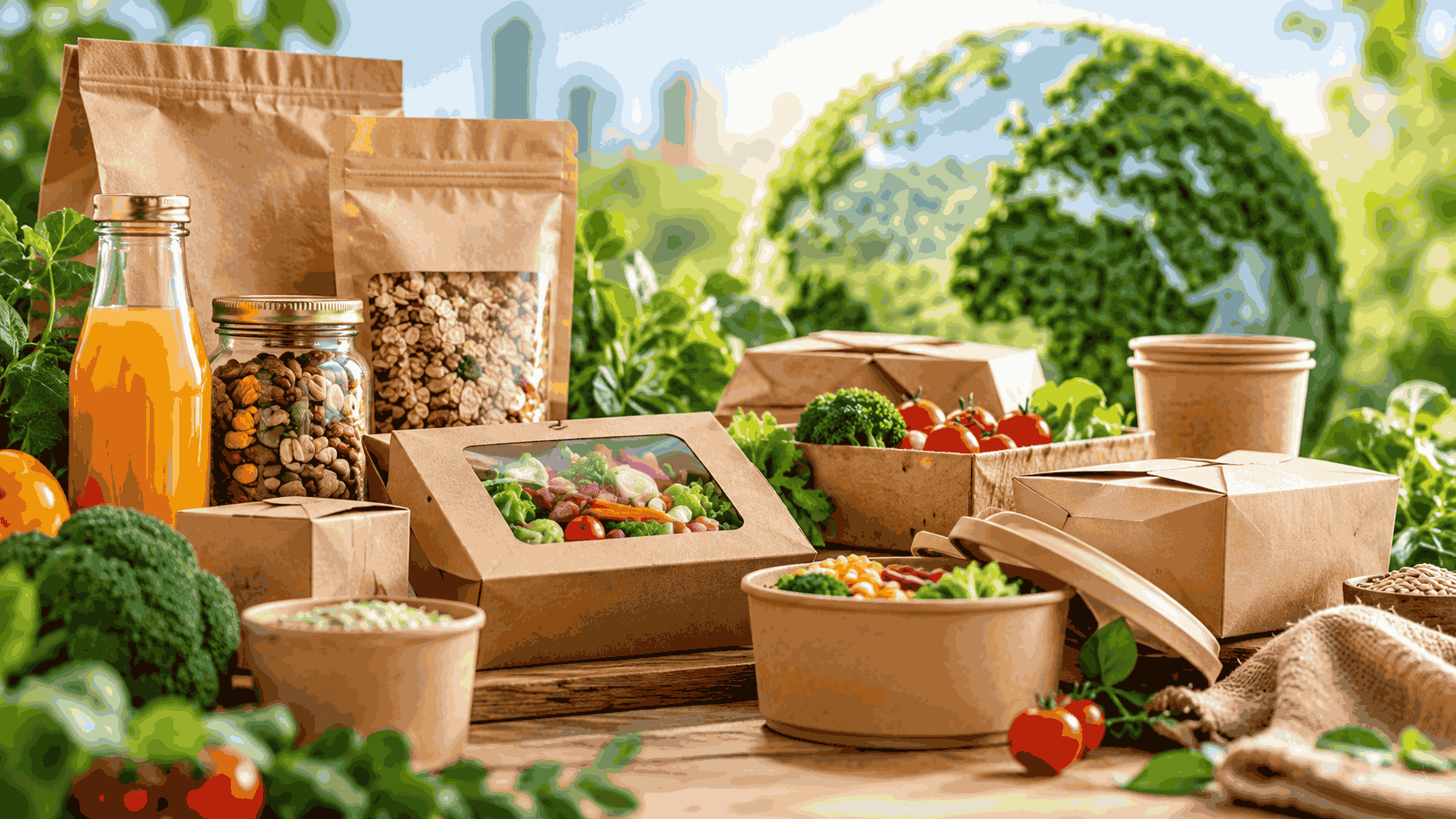
Eco-friendly food packaging is becoming an important part of the modern food industry's transformation. As consumers become more conscious of environmental issues, food manufacturers and FMCG brands are exploring sustainable alternatives to conventional packaging. Packaging is no longer evaluated only on appearance, convenience, and product protection. Its environmental impact, recyclability, material selection, and overall lifecycle are also receiving greater attention.
The growing demand for sustainable food packaging is encouraging manufacturers to adopt innovative materials, improve packaging designs, and reduce unnecessary waste. From beverages and packaged snacks to ready-to-eat products, environmentally responsible packaging is influencing how food products are developed, manufactured, and delivered to consumers.
Why Eco-Friendly Food Packaging Is Becoming Important
Traditional food packaging, particularly single-use plastic, creates significant waste management challenges. Although packaging plays an essential role in protecting food from contamination, moisture, and external damage, excessive or poorly managed packaging can increase environmental pressure.
Consumers increasingly expect brands to demonstrate responsible business practices. As a result, companies are exploring eco-friendly packaging solutions that balance product protection, convenience, affordability, and environmental responsibility.
For food manufacturers, adopting sustainable packaging is also an opportunity to strengthen brand reputation and respond to changing market expectations. Businesses that consider sustainability during product development can build stronger connections with environmentally conscious customers.
Innovative Materials Transforming Food Packaging
Developments in sustainable packaging materials are creating new opportunities for the food manufacturing industry. Recyclable paper, cardboard, glass, plant-based materials, and certain biodegradable alternatives are being explored for different food applications.
Glass packaging, for example, is widely valued for its durability, product protection, and recyclability. It is particularly suitable for beverages, sauces, and other food products where packaging quality and presentation matter. Reusable glass containers can also support circular packaging systems when suitable collection, cleaning, and distribution facilities are available.
Biodegradable food packaging is another developing area. Some materials are designed to break down under specific environmental conditions, while compostable packaging is intended for appropriate composting systems. However, manufacturers must evaluate the actual disposal infrastructure before selecting these materials.
Recyclable food packaging also offers opportunities to reduce dependence on virgin materials. Choosing materials that can be collected, sorted, and processed effectively can help improve resource efficiency throughout the packaging lifecycle.
How Green Packaging Technology Is Changing Food Manufacturing
Green packaging technology is encouraging manufacturers to rethink traditional production and packaging processes. Businesses are increasingly considering lightweight packaging, material efficiency, improved container designs, and production methods that generate less waste.
Lightweight packaging can reduce the quantity of material required for each unit. It may also lower transportation weight, depending on the packaging format and distribution conditions. Similarly, packaging designs that use fewer material combinations can make recycling easier.
Manufacturers are also examining packaging compatibility with automated filling, sealing, labelling, and storage operations. Any new packaging format must protect product quality while remaining suitable for existing production infrastructure or planned equipment upgrades.
For companies involved in food manufacturing and processing solutions, packaging decisions are an important consideration when developing products for retail distribution and large-scale supply.
Benefits of Sustainable Packaging for FMCG Brands
Sustainable packaging trends are influencing how FMCG businesses position their products in competitive markets. Environmentally responsible packaging can strengthen brand perception by demonstrating that a company considers more than just product appearance.
Another important benefit is resource efficiency. Using appropriate material quantities, reducing unnecessary packaging layers, and improving packaging dimensions can help manufacturers manage material consumption and operational costs.
Eco-friendly packaging for FMCG products can also create opportunities for innovation. Brands can explore distinctive packaging formats, improved labelling, reusable containers, and recyclable alternatives that align with their target audience.
For companies offering beverages and packaged food products, packaging must balance product safety, shelf presentation, convenience, transportation requirements, and consumer expectations.
Challenges in Adopting Environmentally Friendly Food Packaging
Despite its advantages, transitioning towards environmentally friendly food packaging involves several challenges. Sustainable alternatives may have higher initial costs, limited availability, or different performance characteristics compared with conventional materials.
Food safety is another critical consideration. Packaging must provide suitable protection against contamination, leakage, moisture, oxygen, and other factors that can affect product quality and shelf life. A material that appears environmentally friendly may not necessarily be appropriate for every food application.
Recycling and composting infrastructure also varies across locations. Biodegradable and compostable materials may require specific disposal conditions, while recyclable materials need effective collection and processing systems.
Manufacturers must therefore assess packaging suitability through material testing, product compatibility studies, regulatory requirements, and lifecycle considerations before making changes.
Future of Food Packaging: Emerging Trends
The future of food packaging will likely be shaped by continued material innovation, circular economy principles, improved recycling systems, and changing consumer expectations.
Research into plant-based packaging, bio-based polymers, edible coatings, and advanced recyclable materials is expanding the possibilities for food manufacturers. Smart packaging technologies may also help improve product monitoring, traceability, and freshness management.
Another important direction is designing packaging with its entire lifecycle in mind. This includes responsible sourcing, efficient manufacturing, transportation, consumer use, collection, and end-of-life disposal.
Food companies are also expected to consider packaging requirements earlier in product development. Businesses that integrate sustainability into their manufacturing strategies can better prepare for changing market expectations and packaging regulations.
According to its company profile, EXIITO operates across beverages, namkeen, makhana, and pickles, with a focus on quality-oriented food manufacturing. These categories demonstrate why packaging selection must consider different product characteristics, protection requirements, and distribution needs.
Conclusion: Building a More Sustainable Food Industry
Eco-friendly food packaging is becoming an important influence on the future of the food industry. From recyclable materials and biodegradable alternatives to reusable containers and innovative packaging technologies, manufacturers have several opportunities to improve their environmental approach.
However, sustainability should never come at the expense of food safety, product quality, or packaging performance. The most effective solutions are those that combine environmental responsibility with practical manufacturing requirements and consumer convenience.
As the FMCG industry continues to evolve, businesses that evaluate sustainable packaging options and invest in responsible production practices will be better positioned to respond to future challenges.
Partner with EXIITO for Food Manufacturing Solutions
Are you planning to launch a new food or beverage brand or expand your existing product range? EXIITO supports businesses through private label, white label, OEM, ODM, and contract manufacturing services across multiple food categories.
Explore EXIITO's manufacturing services or contact our team to discuss your product development, packaging, and manufacturing requirements.