
Introduction
Food packaging has become much more than a way to protect products during storage and transportation. In India's fast-growing Fast-Moving Consumer Goods (FMCG) industry, packaging plays an important role in product safety, shelf appeal, convenience, and brand recognition. As consumer expectations evolve, businesses are exploring innovative food packaging solutions that combine functionality, attractive design, and responsible material choices.
From ready-to-eat foods and snacks to beverages and packaged ingredients, modern packaging is influencing how products are manufactured, stored, transported, and presented to consumers. These developments are encouraging FMCG brands to adopt smarter and more efficient packaging approaches that meet changing market requirements.
How Food Packaging Innovations Are Changing the FMCG Industry
The Indian FMCG market includes a wide range of products with different storage, handling, and distribution requirements. Packaging must protect product quality while making products convenient and appealing to consumers.
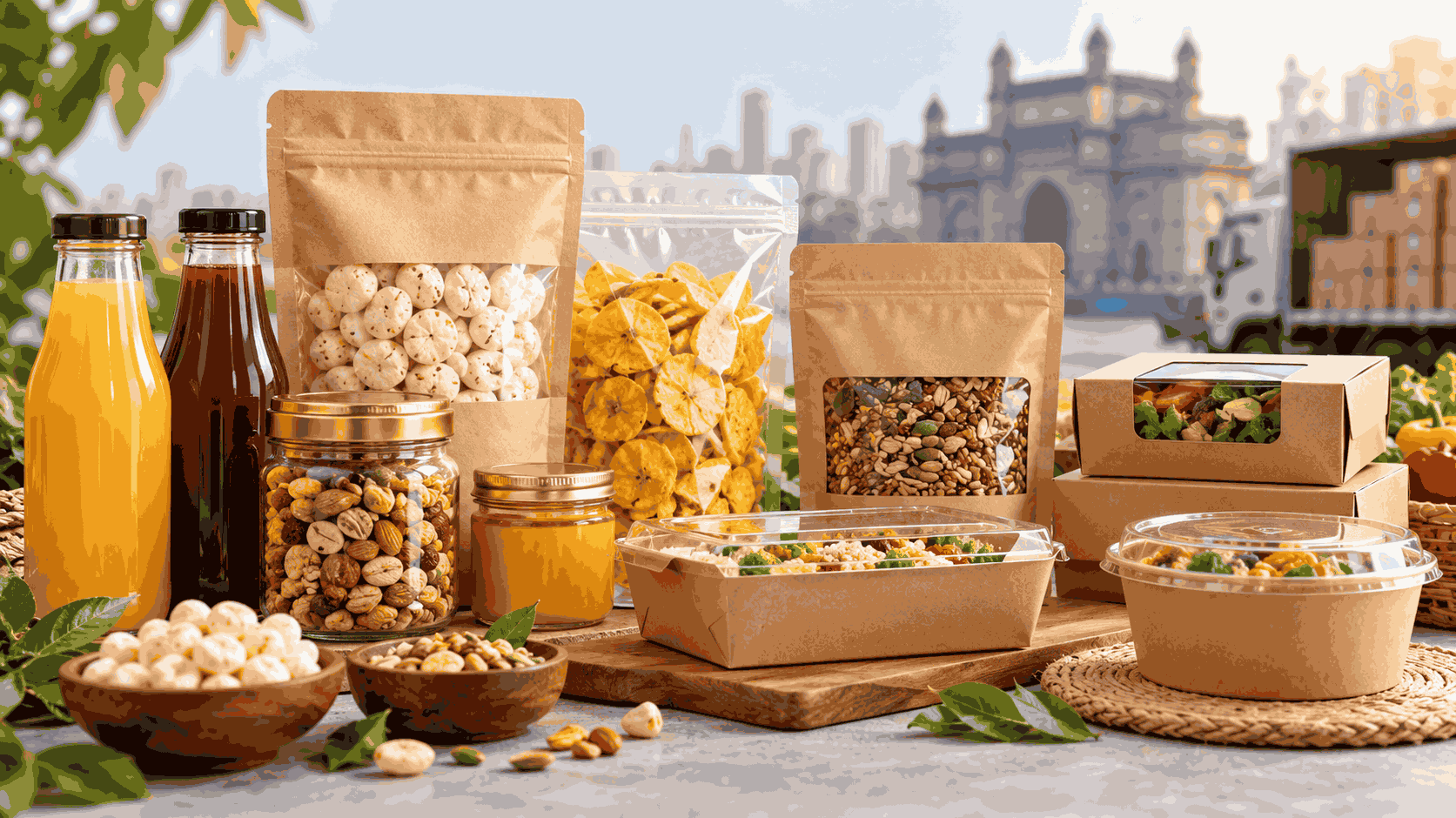
Traditional packaging formats are increasingly being complemented by improved materials, flexible designs, resealable closures, and packaging systems developed for specific product requirements. These Food Packaging Innovations help brands improve product presentation, manage distribution challenges, and respond to consumer preferences.
For manufacturers, selecting the right packaging involves considering the product's composition, moisture sensitivity, storage conditions, transportation requirements, and intended shelf life. A suitable packaging format can help reduce exposure to external factors and support consistent product quality throughout the supply chain.
Major Innovative Food Packaging Solutions Shaping FMCG
Sustainable and Eco-Friendly Food Packaging
Sustainability has become an important consideration in modern packaging decisions. Consumers, manufacturers, and retailers are paying greater attention to packaging materials, recyclability, and waste reduction.
Sustainable Food Packaging includes approaches such as recyclable materials, lightweight packaging, reusable formats, and packaging designed to use fewer resources. Paper-based materials, recyclable plastics, and selected bio-based alternatives are being explored for different applications.
However, no single material is suitable for every food product. Manufacturers must evaluate barrier properties, product compatibility, durability, food-contact safety, and local recycling infrastructure before selecting an alternative. Eco-Friendly Food Packaging should protect the product effectively while considering its environmental impact across the packaging lifecycle.
Flexible Food Packaging Solutions
Flexible packaging is widely used across the FMCG industry because it can accommodate different product sizes and formats. Pouches, sachets, zipper bags, and laminated packaging are common examples used for snacks, powders, seasonings, and other packaged foods.
Flexible Food Packaging Solutions can offer advantages such as efficient storage, lightweight transportation, and convenient product handling. Resealable features can also help consumers store products after opening.
The choice of material structure is important because different products require different levels of protection against moisture, oxygen, light, and physical damage. Selecting an appropriate packaging structure helps maintain product quality during distribution and storage.
Smart Food Packaging and Modern Technology
Modern Food Packaging Technology is introducing new ways to improve product information, traceability, and supply chain visibility. Smart Food Packaging may include QR codes, digital product information, freshness indicators, and tracking technologies.
QR codes can help consumers access product details, ingredient information, manufacturing information, and brand communication through their smartphones. For manufacturers and distributors, suitable tracking systems can support product identification and inventory management.
These technologies can strengthen transparency and improve communication between brands and consumers. However, their effectiveness depends on reliable data, appropriate implementation, and compliance with applicable labelling and food safety requirements.
Benefits of Innovative Packaging for FMCG Brands
Well-designed packaging can create value at several stages of the product journey. It helps protect food products from contamination, physical damage, moisture, and other external conditions when the material and format are suitable for the application.
Packaging also influences purchasing decisions. Clear product information, practical opening features, attractive presentation, and convenient pack sizes can improve the overall consumer experience. For growing brands, consistent packaging design helps establish a recognisable identity across retail shelves and online marketplaces.
In addition, packaging improvements can support more efficient storage and transportation. Lightweight and space-efficient formats may help businesses optimise logistics, while suitable protective materials can reduce product damage during handling.
Challenges and Future Food Packaging Trends in India
Despite growing innovation, the Food Packaging Industry in India faces several challenges. Sustainable alternatives may involve higher material costs, limited availability, or technical limitations. Packaging manufacturers must also ensure that new materials meet food-contact requirements and provide adequate product protection.
Another important challenge is balancing convenience with environmental responsibility. Packaging that is easy to use must also be evaluated for material recovery, recyclability, and waste management after disposal.
Future Food Packaging Trends in India are likely to focus on improved material efficiency, better product traceability, functional packaging features, and designs suited to changing retail and e-commerce requirements. Brands will increasingly need to evaluate packaging based on product performance, consumer expectations, regulatory requirements, and overall cost.
Food manufacturers must also coordinate packaging decisions with product development and quality checks. EXIITO's R&D and Quality Control processes and Quality Assurance system provide information about its approach to product development, packaging input checks, process control, and finished-product quality.
Conclusion
Innovative Food Packaging Solutions are transforming the Indian FMCG industry by improving product protection, convenience, presentation, and supply chain efficiency. From sustainable materials and flexible formats to smart packaging technologies, these developments are creating new opportunities for food brands and manufacturers.
As the industry continues to evolve, businesses should select packaging based on product requirements, safety, performance, cost, and consumer expectations. A well-planned packaging strategy can support product quality while strengthening brand identity and market readiness.
If you are planning to develop or expand a food or beverage brand, explore EXIITO's manufacturing services to learn about its product development, manufacturing, packaging coordination, and quality support. You can also contact the EXIITO team to discuss your requirements.