
Introduction
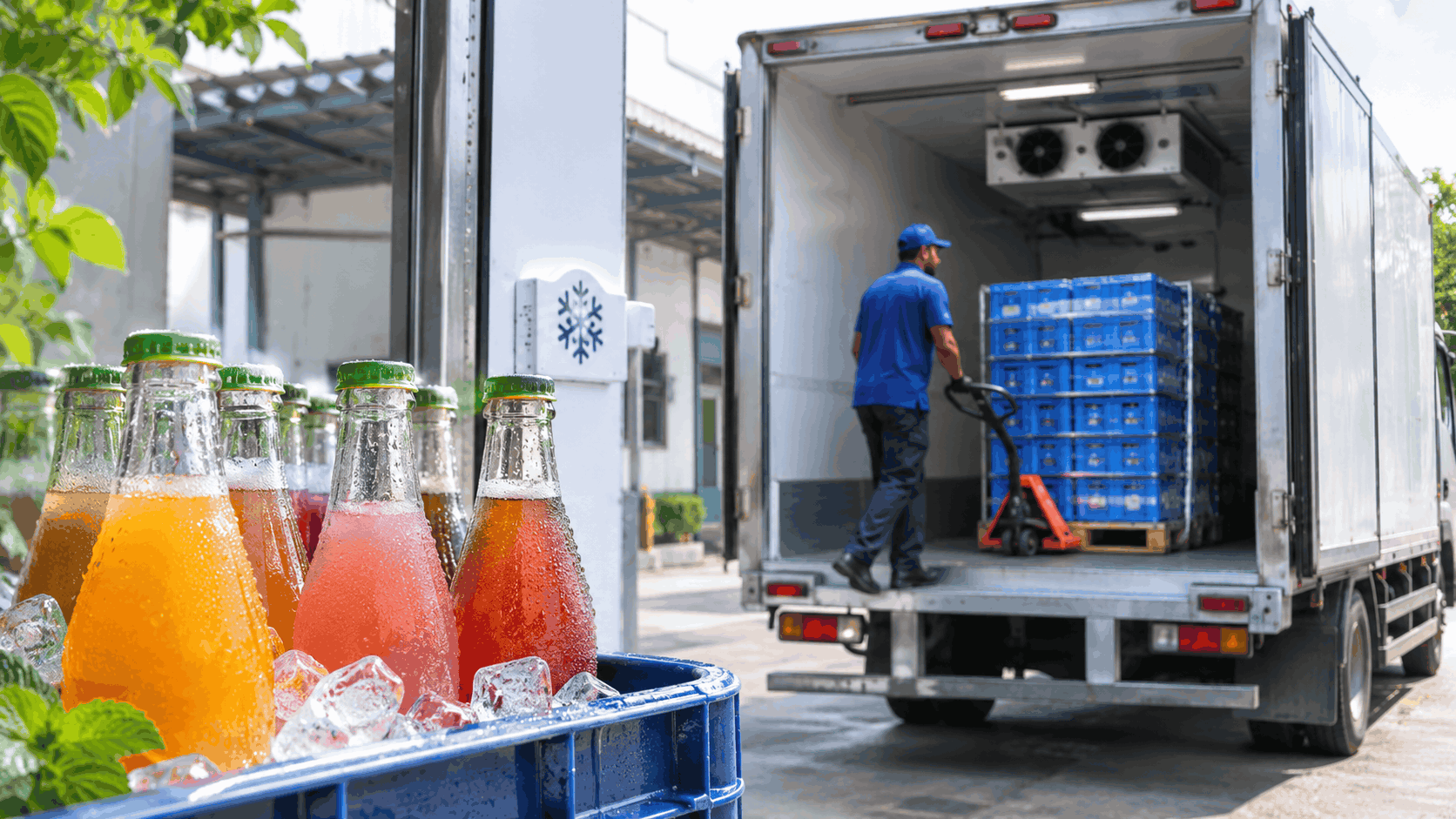
The beverage industry depends on efficient storage, transportation, and distribution to deliver products in the right condition. Maintaining product quality throughout the supply chain is particularly important for beverages that require specific storage temperatures. This is where cold chain logistics in beverage distribution plays a significant role. It helps manufacturers and distributors maintain suitable temperature conditions from production facilities to retail outlets and, ultimately, consumers.
With increasing demand for packaged beverages, ready-to-drink products, juices, dairy-based drinks, and other temperature-sensitive products, businesses need reliable distribution systems. Proper cold chain management supports product quality, freshness, shelf life, and customer satisfaction while reducing the risk of temperature-related damage.
What Is Cold Chain Logistics in Beverage Distribution?
Cold chain logistics refers to the process of storing, handling, and transporting temperature-sensitive products under controlled environmental conditions. In the beverage industry, it involves maintaining product-specific temperature requirements throughout different stages of the supply chain.
Cold chain management in the beverage industry includes refrigerated storage facilities, temperature-controlled transportation, appropriate handling procedures, and continuous monitoring. These processes help ensure that beverages remain within their recommended storage conditions during distribution.
Not every beverage requires refrigeration. However, products containing dairy, fresh ingredients, or other temperature-sensitive components may need carefully controlled storage conditions to maintain their intended quality and safety.
Why Is Cold Chain Management Important for the Beverage Industry?
Maintaining Beverage Quality and Freshness
Temperature fluctuations can affect the taste, colour, aroma, texture, and overall quality of certain beverages. For example, dairy-based drinks and fresh beverage formulations may be particularly sensitive to unsuitable storage conditions.
Effective temperature control in beverage distribution helps minimise unwanted quality changes. Maintaining the recommended conditions during transportation and storage allows products to reach retailers and consumers in their intended condition.
Improving Beverage Shelf Life Management
Shelf life is an important consideration in beverage manufacturing and distribution. Exposure to unsuitable temperatures may accelerate deterioration in products that require refrigeration.
Proper beverage shelf life management involves following recommended storage conditions, monitoring product handling, and maintaining appropriate transportation practices. These measures help manufacturers and distributors protect product quality and reduce avoidable wastage.
Supporting Food Safety and Product Consistency
Temperature management is an important part of food safety, particularly for beverages containing milk or other perishable ingredients. Maintaining the required conditions helps reduce the risk of temperature-related microbial growth.
Consistent handling procedures, suitable storage facilities, and documented temperature checks also support better quality management throughout the distribution process.
Key Components of Beverage Distribution Logistics
Temperature-Controlled Storage Facilities
Cold storage solutions for beverages provide suitable conditions for products that require refrigeration. Storage facilities should have appropriate cooling systems, sufficient capacity, and reliable temperature-monitoring arrangements.
Proper inventory management is equally important. Businesses should follow product-specific storage instructions and use suitable stock rotation practices to manage expiry dates and minimise losses.
Refrigerated Transportation for Beverages
Transportation is one of the most important stages of cold chain supply chain management. Refrigerated vehicles help maintain the required temperature during transportation, particularly when products travel long distances or pass through multiple distribution points.
Before dispatch, products should be properly packed, loading procedures should minimise unnecessary exposure, and vehicle temperatures should be checked. These practices help maintain beverage quality during transportation.
Temperature Monitoring and Cold Chain Technology
Modern cold chain technology in the food industry includes digital temperature sensors, data loggers, tracking systems, and automated monitoring solutions.
These technologies help businesses record temperature conditions during storage and transportation. Monitoring systems can also provide alerts when temperatures move outside predefined limits, allowing teams to investigate issues and take corrective action.
Major Challenges in Cold Chain Beverage Distribution
Despite its benefits, beverage distribution logistics involves several operational challenges. Maintaining consistent temperatures across long distances can be difficult, especially when transportation infrastructure, electricity availability, and storage facilities vary between locations.
Refrigerated transportation and cold storage also involve additional operating expenses, including equipment maintenance, energy consumption, and monitoring systems. For smaller distributors, these investments may create financial and operational difficulties.
Another challenge is maintaining coordination between manufacturers, transport providers, warehouses, and retailers. Any interruption in temperature control or poor handling practices can affect product quality. Clear responsibilities, suitable packaging, trained personnel, and proper documentation are therefore essential.
Future Trends in Cold Chain Supply Chain Management
The future of cold chain logistics is increasingly influenced by automation, digital monitoring, and improved transportation technologies. Smart sensors and connected monitoring systems are helping businesses gain better visibility into storage and delivery conditions.
Data-driven logistics management can improve route planning, inventory control, and transportation efficiency. Energy-efficient refrigeration systems and improved insulated packaging are also gaining attention as businesses look for more sustainable distribution solutions.
As the beverage market continues to expand, companies that invest in reliable logistics infrastructure and effective quality management will be better positioned to handle changing distribution requirements.
Conclusion and CTA
Cold chain logistics in beverage distribution is essential for businesses handling products that require controlled storage and transportation conditions. From maintaining freshness and managing shelf life to supporting food safety and reducing product losses, an effective cold chain system contributes to reliable beverage distribution.
For beverage manufacturers and distribution partners, choosing suitable storage facilities, refrigerated transportation, temperature-monitoring technology, and trained logistics teams can make a meaningful difference.
Looking for a reliable beverage manufacturing partner? Explore EXIITO's beverage manufacturing range and contract manufacturing solutions. Visit EXIITO to learn more about its food manufacturing capabilities and business partnerships.