
Introduction
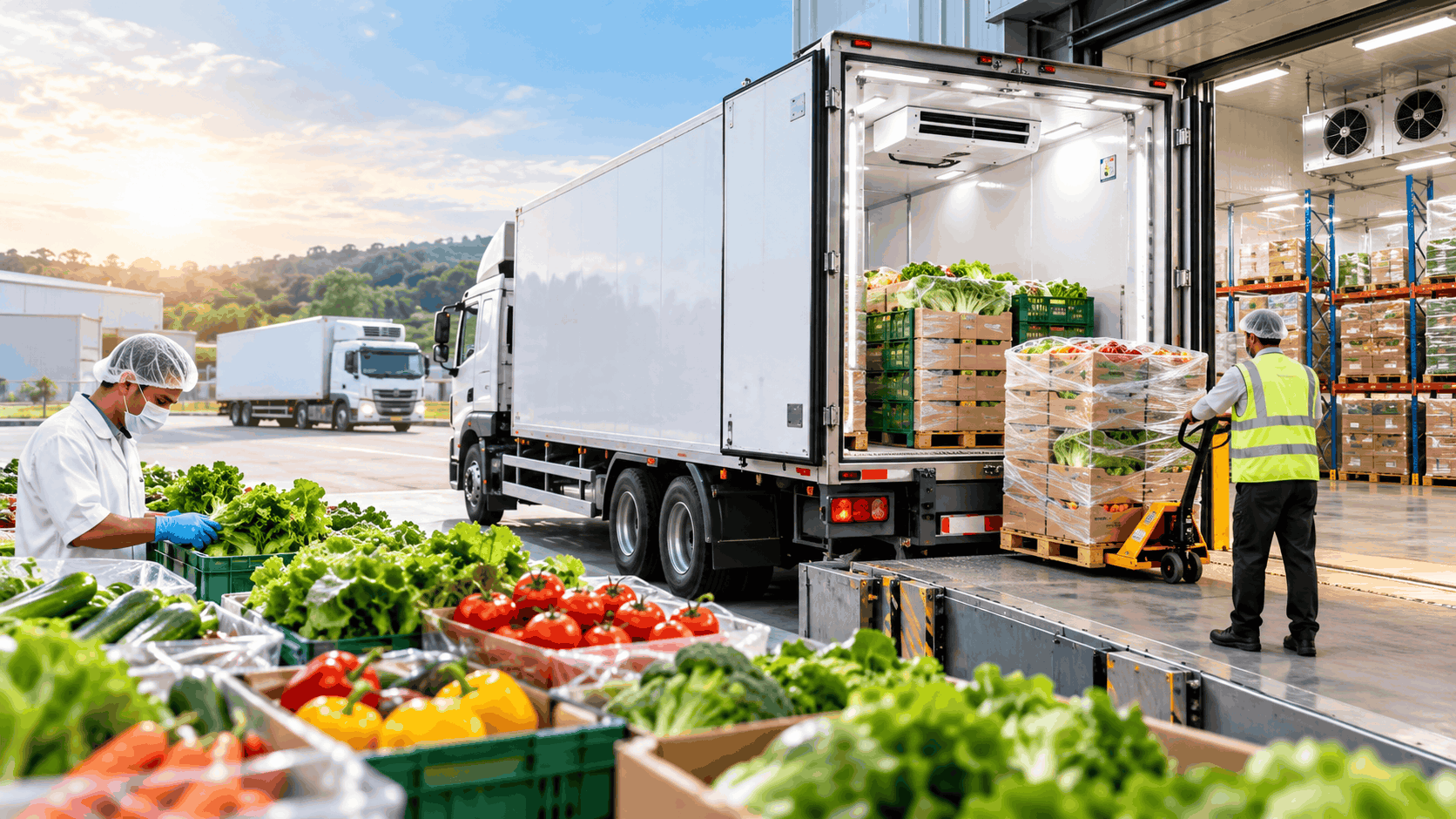
Transporting food safely from manufacturers to retailers is an important part of the modern food supply chain. Many products require specific temperature conditions to maintain their quality, freshness, and safety during storage and distribution. Delays, equipment failures, or improper handling can affect product quality and increase food waste.
Cold Chain Logistics in Food Industry refers to the coordinated handling, storage, and transportation of temperature-sensitive products under controlled conditions. Innovations such as smart sensors, real-time monitoring, advanced refrigeration, and data-driven logistics are helping businesses improve visibility and manage transportation risks. These developments are making food distribution more efficient while supporting consistent product quality.
What Is Cold Chain Transportation?
Cold chain transportation involves moving temperature-sensitive food products through refrigerated vehicles, temperature-controlled storage facilities, and suitable distribution systems. Depending on the product, the required conditions may involve chilled, frozen, or other carefully managed temperature ranges.
An effective cold chain must maintain appropriate conditions throughout the journey, from dispatch to final delivery. This requires suitable equipment, trained personnel, clear handling procedures, and reliable monitoring. The correct temperature depends on the food category, packaging, processing method, and applicable safety requirements. The Codex Alimentarius guidelines on food hygiene and transportation provide further guidance on protecting food from contamination and maintaining suitable conditions during transport.
Innovations Transforming Food Cold Chain Management
Real-Time Temperature Monitoring
Modern monitoring systems use digital sensors and data loggers to record temperatures during transportation and storage. Some connected systems can transmit readings to central platforms, allowing authorised teams to review conditions remotely.
Real-Time Temperature Monitoring can help businesses identify temperature deviations sooner and investigate possible causes. Alerts may allow operators to respond before a minor equipment or handling issue becomes a more serious problem. However, monitoring is effective only when sensors are appropriately calibrated, alerts are reviewed, and corrective actions are clearly defined.
Smart Refrigeration and Energy Efficiency
Advances in refrigeration technology are helping logistics operators manage temperature conditions more precisely. Modern systems may include automated controls, improved insulation, and equipment designed to adjust cooling performance according to operational needs.
These improvements can support temperature stability and help reduce unnecessary energy use when equipment is selected and operated correctly. Preventive maintenance is equally important because damaged seals, poor airflow, or refrigeration failures can compromise the storage environment.
The right system depends on the product being transported, journey duration, vehicle capacity, ambient conditions, and delivery requirements.
IoT and Data-Driven Logistics
The Internet of Things (IoT) connects sensors, vehicles, and monitoring platforms so businesses can collect and analyse operational information. In a Refrigerated Supply Chain, these tools may help teams review temperature readings, vehicle location, delivery progress, and equipment performance.
Combining this information with route planning can help logistics teams identify delays, improve delivery coordination, and investigate recurring problems. Data analytics may also help businesses plan maintenance and recognise patterns that affect transportation performance.
The ISO/TS 31514:2025 standard for food traceability in cold chain logistics provides requirements and recommendations for collecting, managing, and implementing traceability information across activities such as transportation, warehousing, loading, and unloading.
Nevertheless, digital tools cannot replace sound logistics planning, suitable equipment, or trained staff. Their value depends on reliable data and timely action.
Improved Packaging and Insulation
Packaging plays an important role in Temperature-Controlled Food Transportation. Insulated containers, suitable thermal packaging, and appropriate refrigerants can help maintain product conditions during handling and transit, depending on the application.
Packaging must be matched to the food, required temperature range, journey duration, and external environment. Businesses should also consider food-contact suitability, packaging integrity, and waste management when choosing materials.
For longer journeys, packaging performance should be evaluated under realistic conditions rather than assumed to maintain the required temperature indefinitely.
Benefits of Modern Cold Chain Technology
Effective Cold Chain Technology can help businesses maintain more consistent storage conditions, identify potential problems, and improve delivery planning. Better monitoring and documentation can also help operators investigate incidents and demonstrate how products were handled during transportation.
Strong Food Transportation Safety practices can reduce avoidable quality losses when combined with appropriate hygiene, validated temperature requirements, and established food safety procedures. Improved coordination between manufacturers, transport providers, warehouses, and retailers can also support more reliable inventory management.
For food manufacturers, transportation planning should complement production controls and product-specific requirements. EXIITO's quality assurance processes explain the role of incoming checks, in-process controls, finished-product inspections, and traceability in maintaining manufacturing quality.
Challenges and Future Trends
Implementing advanced cold chain systems can require significant investment in refrigerated vehicles, sensors, software, maintenance, and employee training. Smaller businesses may find these costs challenging, particularly when operating across multiple locations or working with logistics partners using different systems.
Power interruptions, equipment breakdowns, inaccurate sensor readings, and unexpected delays can also affect performance. Businesses need contingency plans, documented procedures, and clear responsibilities for responding to temperature deviations.
Future developments may include more sophisticated predictive analytics, automated alerts, improved battery-powered monitoring devices, and lower-energy refrigeration systems. These innovations may help operators anticipate disruptions and manage resources more effectively, although their benefits depend on the specific application and reliable implementation.
Product development and quality requirements should also be considered before distribution begins. EXIITO's R&D and Quality Control information describes the importance of product trials, defined specifications, and quality checks during manufacturing and development.
Conclusion and
Cold chain innovations are transforming food transportation through better temperature monitoring, smarter refrigeration, connected devices, and improved packaging. When these solutions are matched to product requirements, they can help businesses maintain quality, identify risks, and improve distribution efficiency.
Successful Food Cold Chain Management requires more than technology alone. Suitable equipment, trained personnel, documented procedures, and continuous monitoring are essential for reliable transportation and food quality preservation.