
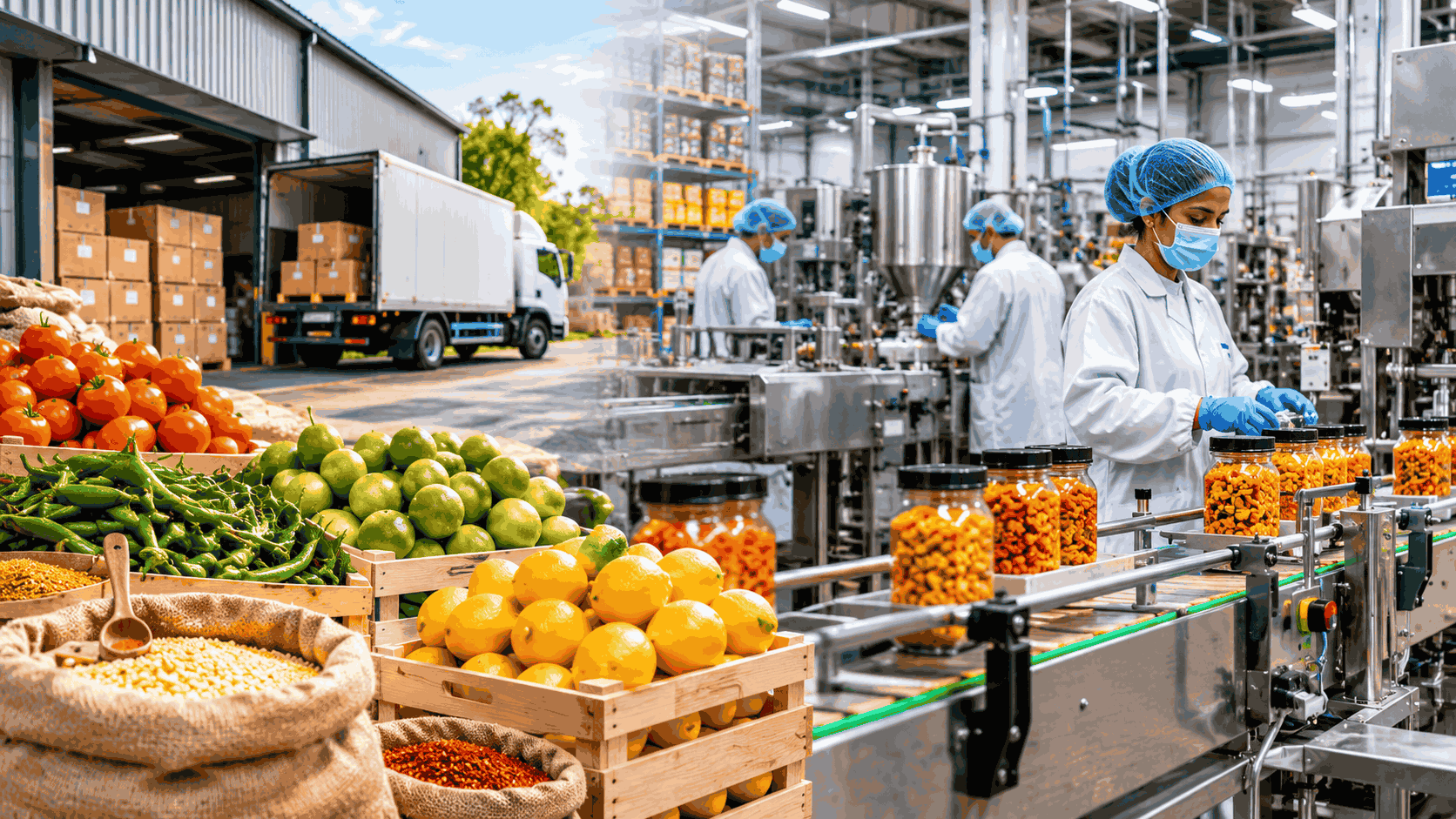
Introduction
The food manufacturing industry depends on a well-organised supply chain to maintain product quality, control operational costs, and meet changing market demands. From sourcing raw materials to delivering finished products, every stage influences manufacturing performance. Delays, poor inventory planning, inconsistent supplier quality, and inefficient transportation can disrupt production schedules and increase operating expenses.
Food Supply Chain Management for Manufacturing Efficiency plays an important role in coordinating these activities. An effective supply chain connects suppliers, procurement teams, production facilities, warehouses, and distribution networks. By improving coordination and resource management, food manufacturers can maintain consistent production, reduce unnecessary waste, and deliver products more reliably.
Understanding Food Supply Chain Management in Manufacturing
Food Supply Chain Management involves planning, coordinating, and monitoring the movement of ingredients, packaging materials, work-in-progress products, and finished goods. It ensures that the right materials reach manufacturing facilities at the right time and in the required quantities.
Unlike many other industries, food manufacturing must also consider product freshness, shelf life, storage conditions, hygiene, and food safety requirements. These factors make supply chain coordination particularly important.
An organised supply chain supports efficient Food Manufacturing Operations by connecting procurement, production planning, inventory control, quality management, and distribution. Manufacturers can therefore respond more effectively to demand fluctuations while maintaining operational consistency.
How Supply Chain Management Improves Manufacturing Operations
Better Raw Material Procurement and Supplier Management
Raw material procurement is one of the most important stages of food manufacturing. Ingredients, preservatives, seasonings, oils, grains, and packaging materials must meet established specifications before entering production.
Building reliable supplier relationships helps manufacturers maintain consistent material availability and quality. Regular supplier evaluations, clear purchasing specifications, and planned procurement schedules can reduce unexpected shortages and purchasing disruptions.
Effective supplier coordination also supports better cost management. Comparing supplier performance, monitoring material prices, and developing alternative sourcing options can help businesses manage procurement risks.Improved Inventory Management and Stock Control
Food inventory management directly influences production efficiency. Excess inventory increases storage requirements and may lead to product deterioration or expiry, while insufficient inventory can interrupt manufacturing schedules.
An effective inventory management system helps manufacturers monitor raw material quantities, packaging supplies, batch usage, and finished product stock. Maintaining accurate inventory records allows production teams to identify replenishment requirements before shortages occur.
Businesses can also use demand forecasts and stock rotation practices, such as First-In, First-Out (FIFO), to manage inventory more effectively. These practices support better Inventory Control in Food Manufacturing while reducing avoidable material losses.
Better Production Planning and Scheduling
Production planning becomes more effective when procurement and inventory information are readily available. Manufacturers can coordinate production schedules with incoming raw materials, workforce availability, equipment capacity, and customer requirements.
Supply Chain Planning for Food Manufacturers helps businesses determine production quantities, organise manufacturing activities, and minimise unnecessary waiting time.
When production teams receive materials according to planned schedules, they can reduce operational interruptions and improve resource utilisation. This strengthens Food Manufacturing Process Management and supports consistent manufacturing output.
Improved Food Quality and Supply Chain Management
Maintaining product quality requires attention throughout the supply chain. Poor handling, unsuitable storage conditions, delayed transportation, or inconsistent raw material specifications can affect the final product.
Manufacturers should establish quality checks during material receiving, storage, processing, and dispatch. Proper documentation, supplier verification, batch identification, and traceability procedures help identify potential issues and support corrective action.
A quality-focused approach to Food Quality and Supply Chain Management also strengthens product consistency and helps businesses maintain customer confidence.
Efficient Logistics and Distribution
Food logistics and distribution connect manufacturing facilities with warehouses, distributors, retailers, and customers. Delays or poor transportation planning can increase costs and affect product availability.
Efficient logistics management involves coordinating dispatch schedules, selecting suitable transportation methods, monitoring deliveries, and maintaining appropriate storage conditions. For products with specific temperature or handling requirements, transportation arrangements must also protect product quality.
Better coordination between manufacturing and distribution teams helps reduce delivery delays, improve order fulfilment, and strengthen overall supply chain performance.
Key Benefits of Supply Chain Efficiency in the Food Industry
An organised supply chain offers several operational advantages. Better procurement planning helps manufacturers reduce material shortages and avoid unnecessary purchasing. Improved inventory control supports effective storage management and reduces losses caused by expired or damaged materials.
Coordinated production schedules also help businesses use labour, machinery, and manufacturing capacity more effectively. Furthermore, efficient logistics can improve delivery reliability and strengthen relationships with distributors and business partners.
These improvements contribute to better cost management, consistent product quality, and stronger Food Production Efficiency. Ultimately, supply chain optimisation allows manufacturers to manage growing production requirements without creating unnecessary operational complexity.
Challenges and Future Trends in Food Supply Chain Optimization
Food manufacturers face several supply chain challenges, including fluctuating raw material prices, seasonal availability, transportation disruptions, supplier dependency, and changing consumer demand. Managing these factors requires continuous monitoring and flexible planning.
Digital technologies are creating new opportunities for improving manufacturing operations. Inventory management software, demand forecasting tools, automated data collection, and digital traceability systems can provide better visibility across supply chain activities.
Data-driven planning can help manufacturers identify purchasing patterns, anticipate material requirements, and coordinate production more accurately. Sustainable sourcing, efficient transportation, and waste reduction are also becoming important considerations in modern Food Supply Chain Strategies.
As technology develops, manufacturers that combine reliable supplier relationships with effective digital systems will be better positioned to manage operational challenges.
Conclusion and CTA
Efficient Food Supply Chain Management is essential for improving manufacturing operations, maintaining product quality, and controlling production costs. From raw material procurement and inventory management to production scheduling and distribution, every stage contributes to overall business performance.
Food manufacturers should continuously evaluate their supply chain processes, strengthen supplier relationships, and adopt practical technologies to improve coordination and operational efficiency.
At EXIITO Beverages Private Limited, we understand the importance of quality-focused food manufacturing, organised production processes, and dependable supply coordination. Explore our food manufacturing solutions or contact our team to discuss your manufacturing and business requirements.