
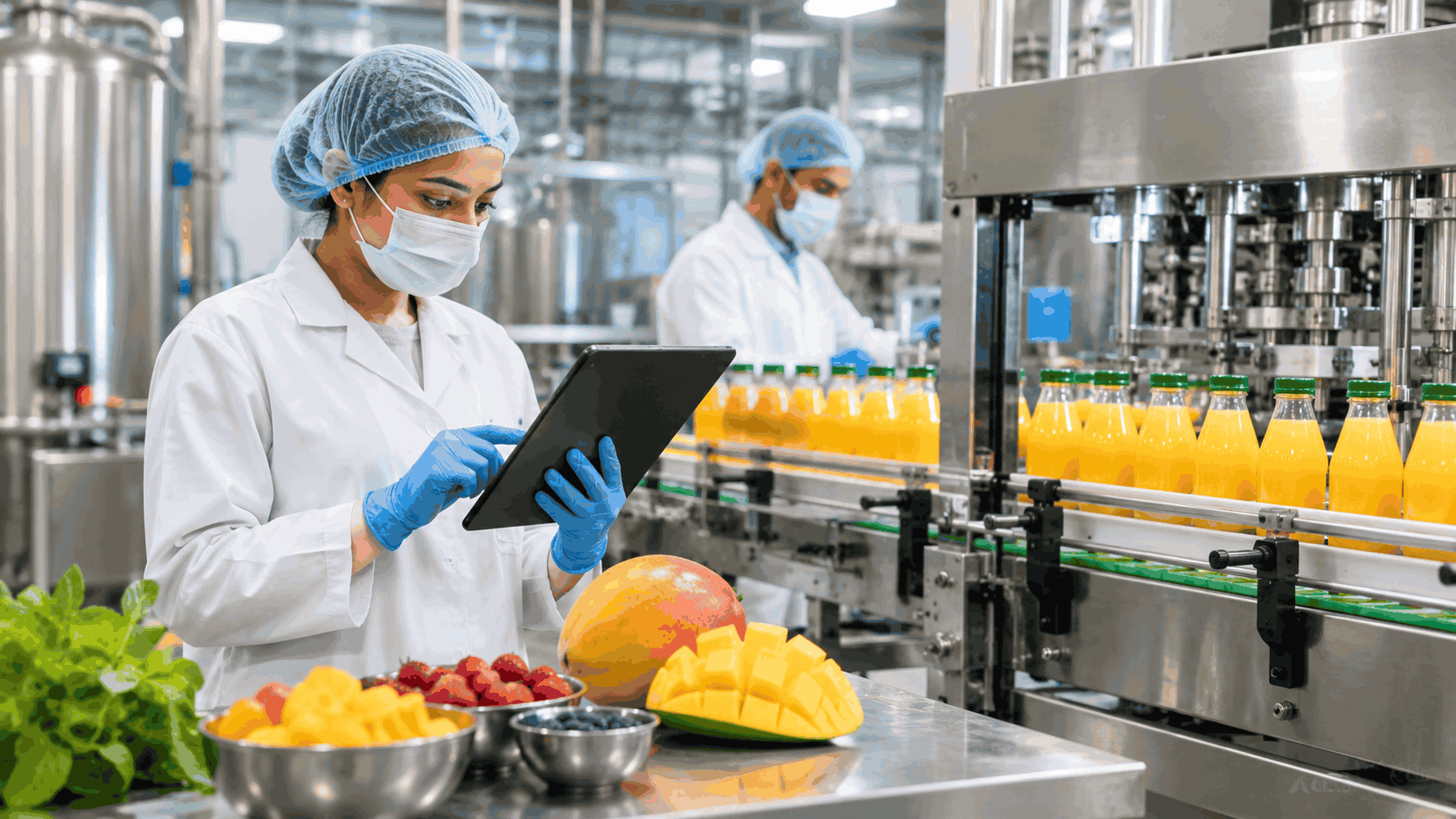
Introduction
The food processing industry is evolving as manufacturers adopt modern technologies to improve production, maintain product quality, and meet changing consumer expectations. Traditional manufacturing methods are increasingly supported by automation, digital monitoring, and advanced machinery. These developments create opportunities for businesses to improve operational efficiency and manage production more effectively.
Smart Manufacturing in Food Processing Industry refers to the integration of digital technologies, automated equipment, connected systems, and data-driven decision-making into food production operations. From raw material handling to processing, packaging, and quality inspection, these technologies help manufacturers manage different stages with greater accuracy and control.
As the food industry becomes more competitive, smart manufacturing is becoming an important part of modern food production strategies. Businesses can also explore EXIITO's manufacturing capabilities to understand modern food manufacturing and partner production solutions.
Understanding Smart Manufacturing in the Food Processing Industry
Smart manufacturing combines automation, connected equipment, software, and real-time information to improve manufacturing operations. It is closely associated with Industry 4.0 in Food Manufacturing, where machines, sensors, and digital systems work together to support production activities.
In traditional food processing facilities, many operations depend on manual monitoring and separate equipment controls. Smart manufacturing introduces connected systems that help operators observe production conditions, identify process variations, and make timely adjustments.
For example, sensors can monitor processing temperatures, filling quantities, equipment performance, and storage conditions. This information helps production teams maintain consistent operating parameters and identify potential issues before they affect the entire production process.
Key Technologies Transforming Modern Food Manufacturing
Food Processing Automation and Robotics
Food Processing Automation is one of the most important developments in modern manufacturing. Automated equipment can support repetitive activities such as ingredient mixing, filling, sealing, labelling, sorting, and packaging.
Robotics in Food Processing can also assist with material handling, product movement, and repetitive packaging operations. These systems help reduce unnecessary manual handling and support consistent production workflows.
Automation in Food Processing Industry can improve production speed and accuracy when equipment is properly selected, installed, and maintained. However, human supervision remains essential for equipment management, hygiene monitoring, and quality decisions.
IoT and Artificial Intelligence in Food Production
The Internet of Things (IoT) connects machines and sensors through digital networks, allowing manufacturers to collect information from different production stages. IoT in Food Processing Industry can help monitor equipment conditions, temperature levels, humidity, and other important operating parameters.
Artificial Intelligence in Food Manufacturing can analyse production information to identify patterns, detect unusual variations, and support operational planning. Predictive maintenance is another useful application, as equipment performance data can help maintenance teams identify warning signs before unexpected breakdowns occur.
These technologies support better planning and can help manufacturers make more informed production decisions.
Advanced Food Processing Technology and Modern Equipment
Advanced Food Processing Technology includes modern processing machines, automated control systems, digital inspection tools, and equipment designed for specific food production requirements.
Modern Food Processing Equipment can support accurate ingredient measurement, controlled mixing, temperature management, and consistent packaging operations. Different food categories require different processing conditions, so equipment selection must consider product characteristics, hygiene requirements, and production capacity.
For example, beverage manufacturing may require controlled mixing, filling, and sealing operations, while namkeen and makhana production may involve roasting, seasoning, and packaging processes. Pickle manufacturing requires suitable ingredient preparation, mixing, and hygienic filling practices. Businesses can explore EXIITO's food manufacturing facility and infrastructure to learn more about its production areas and manufacturing environment.
Benefits of Smart Manufacturing for Food Processing Businesses
Improved Production Efficiency
Smart manufacturing technologies help coordinate production activities and reduce unnecessary delays. Automated systems can perform repetitive tasks consistently, while digital monitoring helps operators identify process interruptions.
Food Manufacturing Process Optimization also supports better equipment utilisation, production scheduling, and resource management. These improvements can help businesses manage growing production requirements.
Better Quality Control and Consistency
Quality Control in Food Manufacturing is essential for maintaining product safety, taste, texture, and overall consistency. Digital monitoring and automated inspection systems can support checks at different production stages.
For example, automated systems may monitor filling volumes, packaging seals, product weights, and visible defects. However, these technologies should complement established quality procedures, laboratory testing, and trained personnel rather than replace them.
Learn more about EXIITO's research, development, and quality control processes, which cover product development, in-process checks, and finished-product quality release.
Reduced Waste and Improved Resource Management
Sustainable Food Manufacturing requires careful management of ingredients, energy, water, packaging, and production resources. Smart monitoring can help identify unnecessary consumption, processing variations, and avoidable material losses.
By improving production planning and monitoring, manufacturers can make better use of available resources while supporting more responsible manufacturing practices.
Challenges in Adopting Smart Manufacturing Technologies
Although smart manufacturing offers several advantages, implementation requires proper planning. Advanced equipment, software integration, installation, and employee training can involve significant investment.
Manufacturers may also face challenges when connecting older machinery with newer digital systems. Data security, equipment maintenance, technical support, and employee readiness are additional considerations.
Businesses should evaluate their production requirements before investing in new technologies. Starting with practical improvements, such as automated packaging, digital quality records, or equipment monitoring, can provide a manageable approach to modernisation.
The Future of Smart Manufacturing in the Food Industry
The future of food processing will increasingly involve connected production systems, intelligent monitoring, robotics, and data-driven manufacturing decisions. Smart factories may use integrated technologies to coordinate processing, packaging, inventory, and quality information more effectively.
Food Manufacturing Innovation will also be influenced by the need for consistent quality, flexible production, resource efficiency, and faster product development. Manufacturers that evaluate emerging technologies carefully and invest according to their operational requirements can improve their ability to adapt to changing market demands.
Conclusion and CTA
Smart Manufacturing in Food Processing Industry is transforming how food businesses manage production, quality, and operational efficiency. Through automation, IoT, artificial intelligence, robotics, and advanced processing equipment, manufacturers can improve process control, reduce avoidable waste, and support consistent product quality.
At EXIITO Beverages, we believe that organised manufacturing processes, product development, and quality-focused operations are important for building reliable food products. Our manufacturing range covers beverages, namkeen, makhana, and pickles. Explore our food product categories to discover our product range.
Looking to develop or expand your food product range? Discover our private label, white label, and contract manufacturing capabilities or contact the EXIITO team to discuss your manufacturing requirements.