
Introduction
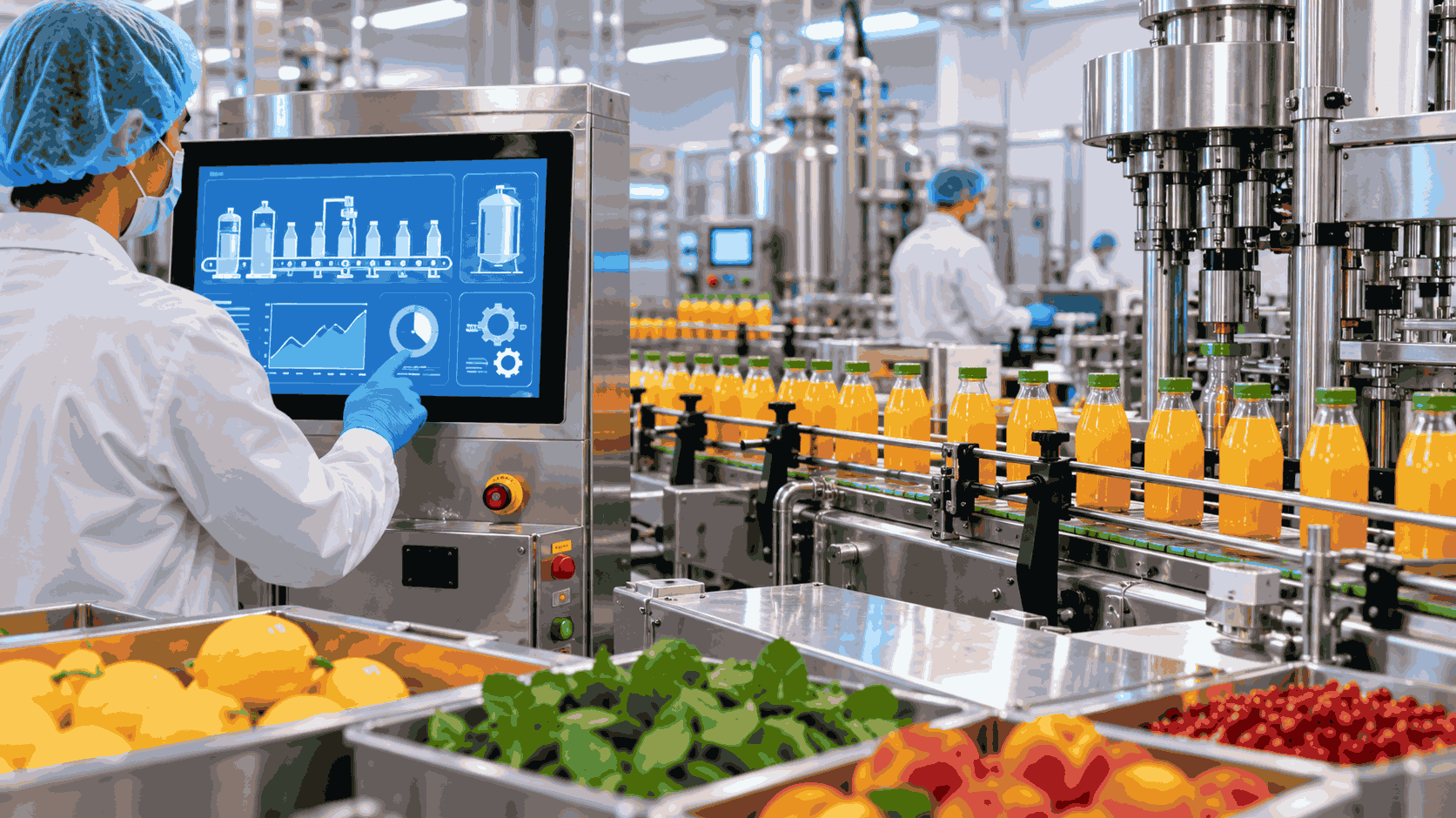
The food manufacturing industry is evolving rapidly as businesses adopt modern technologies to improve production, maintain product quality, and meet changing consumer demands. Traditional manufacturing methods are increasingly supported by digital tools that help companies manage operations more effectively. Digital Technology in Food Manufacturing is becoming an important part of modern production because it enables manufacturers to monitor processes, analyse information, reduce operational errors, and improve overall productivity.
From automated machinery to smart monitoring systems, digital solutions are transforming how food products are processed, packaged, and distributed. As competition increases, manufacturers are recognising the importance of digital transformation in building efficient and reliable production operations.
How Digital Technology Is Transforming Food Manufacturing
Digital transformation in food manufacturing involves integrating modern software, connected equipment, automation, and data management systems into production operations. These technologies help manufacturers improve coordination between different departments while maintaining better control over manufacturing activities.
Smart food manufacturing systems allow production teams to monitor machinery performance, track production activities, and identify operational issues. Instead of depending entirely on manual inspections, manufacturers can use digital monitoring tools to access relevant production information and make informed decisions.
This approach supports better planning, improves operational visibility, and helps businesses maintain consistent manufacturing standards.
Key Technologies Improving Food Production Efficiency
Food Manufacturing Automation
Automation is one of the most important developments in modern food manufacturing technology. Automated equipment can support repetitive activities such as filling, mixing, sealing, labelling, and packaging. These systems help reduce manual intervention and maintain consistency across production batches.
Food manufacturing automation also allows businesses to manage larger production requirements while improving workflow coordination. When properly maintained and operated, automated machinery can reduce avoidable delays and improve production efficiency.
Digital Monitoring in Food Production
Digital monitoring systems provide manufacturers with better visibility into production activities. Sensors and connected equipment can monitor important operating conditions, including temperature, pressure, humidity, and processing time, depending on the application.
This information helps production teams identify deviations and take corrective action when necessary. Digital monitoring in food production can also support preventive maintenance by highlighting unusual equipment behaviour before it develops into a major operational problem.
Data Analytics in Food Processing
Data analytics helps manufacturers understand production performance through collected operational information. By analysing production records, material consumption, equipment downtime, and quality inspection results, businesses can identify areas that require improvement.
These insights support more accurate production planning, better resource utilisation, and informed decision-making. Data analytics in food processing can also help manufacturers identify recurring inefficiencies and develop practical solutions.
Food Manufacturing Management Systems
Digital management systems help coordinate different manufacturing activities, including inventory management, procurement, production scheduling, quality documentation, and dispatch planning.
A connected management system can improve communication between departments and reduce dependence on disconnected records. These systems are particularly useful for manufacturers managing multiple product categories, production batches, and supply requirements.
Benefits of Smart Food Manufacturing Systems
The adoption of smart production systems offers several advantages for food manufacturers. One major benefit is improved production efficiency, as digital tools help identify delays and support better workflow management.
Digital quality control in food manufacturing also strengthens process monitoring and documentation. Manufacturers can maintain more organised inspection records, monitor quality parameters, and identify inconsistencies throughout production.
Another important advantage is improved resource management. Digital solutions can help businesses monitor raw material usage, manage inventory levels, and reduce unnecessary waste. Better production visibility also supports planning and coordination between manufacturing, packaging, and dispatch teams.
Furthermore, digital records can improve traceability by helping manufacturers maintain information about ingredients, production batches, processing activities, and finished products.
Challenges and Future Trends in Food Processing Technology
Although digital transformation offers significant opportunities, implementing new technology can involve challenges. Initial investment, employee training, system integration, and equipment maintenance are important considerations. Manufacturers must also pay attention to cybersecurity and ensure that sensitive operational information is properly protected.
Looking ahead, Industry 4.0 in food manufacturing is expected to encourage greater use of artificial intelligence, Internet of Things (IoT) devices, predictive maintenance, and advanced automation. These developments can help manufacturers make faster decisions, improve process visibility, and strengthen operational planning.
In India, food industry technology trends are increasingly relevant as manufacturers look for practical ways to improve production capabilities and meet growing market expectations. Businesses that adopt suitable digital solutions can build stronger operational foundations for long-term growth.
Conclusion
Digital technology is playing an increasingly important role in improving food manufacturing efficiency. Automation, digital monitoring, data analytics, and integrated management systems help manufacturers improve production planning, maintain quality standards, and manage resources more effectively.
As the food processing industry continues to evolve, adopting suitable digital solutions will become an important step towards building efficient, organised, and competitive manufacturing operations.
At EXIITO Beverages, we focus on quality-driven food manufacturing across beverages, namkeen, makhana, and pickles. Explore our food manufacturing solutions to learn more about our manufacturing capabilities and partnership opportunities.
Looking for a reliable food manufacturing partner? Visit EXIITO Beverages and connect with our team to discuss your requirements.