
Introduction
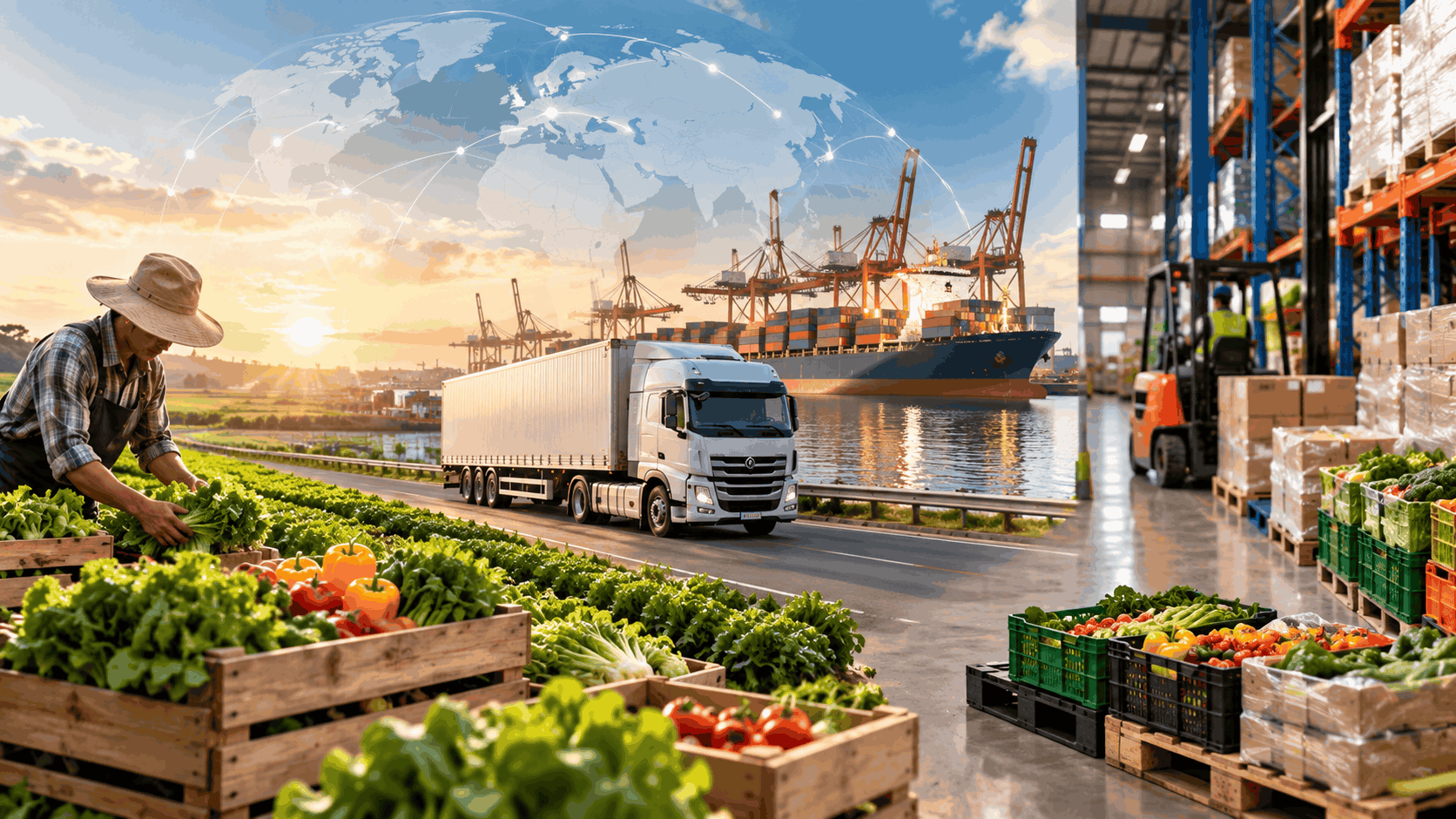
Food supply chains operate in an increasingly complex global market. Changing consumer demand, extreme weather, transportation delays, fluctuating raw material prices, and international trade disruptions can affect the movement of ingredients and finished products. For food manufacturers, distributors, and retailers, these challenges can lead to production delays, higher operating costs, and inconsistent product availability.
Food Supply Chain Resilience is the ability to anticipate disruptions, respond effectively, and maintain essential operations when unexpected challenges arise. By strengthening sourcing strategies, improving inventory planning, adopting digital tools, and building reliable supplier relationships, food businesses can create more flexible and dependable supply chains. Companies can also learn about EXIITO’s approach to beverage production through its beverage manufacturing services.
Understanding Food Supply Chain Resilience
Food Supply Chain Resilience involves preparing for risks at every stage, from sourcing agricultural ingredients to manufacturing, storage, transportation, and final distribution. A resilient supply chain does not simply recover from disruptions; it also identifies potential weaknesses and develops practical ways to reduce their impact.
Effective Food Supply Chain Management requires coordination between suppliers, manufacturers, logistics providers, and customers. When businesses share accurate information and establish clear responsibilities, they can respond more quickly to changing circumstances. Reviewing supplier performance, monitoring stock availability, and maintaining appropriate contingency plans can also improve operational stability.
For food manufacturers, maintaining consistent ingredient quality and dependable material availability is particularly important. A shortage of one essential ingredient or packaging component can interrupt production, making supply chain planning a key part of business continuity. Reviewing appropriate quality procedures, including EXIITO’s quality assurance practices, can provide additional context on the importance of quality control in food manufacturing.
Key Strategies for Building More Resilient Food Supply Chains
Diversifying Suppliers and Strengthening Sourcing Strategies
Relying heavily on a single supplier or sourcing region can expose businesses to significant risks. Weather events, production problems, transport restrictions, or unexpected price increases may affect the availability of essential ingredients. Supply Chain Diversification helps reduce this dependence by identifying alternative suppliers, evaluating different sourcing regions, and maintaining suitable backup options.
Effective Food Sourcing Strategies should consider more than purchase price. Businesses also need to assess product specifications, consistency, supplier reliability, delivery timelines, documentation, and quality assurance procedures. Establishing relationships with qualified suppliers before a disruption occurs can make it easier to secure materials when normal supply routes are affected.
Food manufacturers should also evaluate their ingredients and finished product requirements carefully. Businesses exploring beverage options can review EXIITO’s product range to understand its beverage offerings.
Improving Inventory Planning and Risk Management
Strong Supply Chain Risk Management begins with identifying the materials and processes most likely to disrupt operations. Businesses can assess supplier dependency, lead times, storage conditions, demand fluctuations, and the availability of alternative ingredients.
Maintaining appropriate safety stock for critical materials can help protect production against short-term delays. However, excessive inventory may increase storage expenses, tie up working capital, and raise the risk of spoilage for perishable goods. Manufacturers should therefore balance stock availability with shelf life, consumption patterns, and actual business requirements.
Regular supplier reviews and contingency planning can help businesses make informed decisions. These practices also support Food Supply Chain Disruptions management by preparing teams to respond when deliveries are delayed or market conditions change.
Strengthening Food Logistics and Distribution
Reliable Food Logistics and Distribution is essential for maintaining product quality and meeting customer expectations. Delays, poor handling, unsuitable storage conditions, and inadequate coordination can affect product condition and delivery schedules, particularly for temperature-sensitive foods.
Businesses can improve logistics resilience by working with dependable transport partners, planning alternative routes where practical, coordinating delivery schedules, and monitoring storage and handling requirements. Clear communication between manufacturers, warehouses, and distributors helps identify potential delays early and reduces avoidable confusion.
Supply chain planning should also account for product-specific requirements, including packaging integrity, shelf life, and appropriate transportation conditions. These measures help businesses maintain product standards as goods move through the distribution network. For manufacturers, consistent product evaluation and process monitoring are also important; learn more about EXIITO’s research and development and quality control activities.
The Role of Technology in Resilient Food Supply Chains
Using Digital Tools for Better Visibility
Digital Supply Chain Management helps businesses improve visibility into inventory, supplier activity, order status, and transportation processes. Digital records and integrated planning systems can make it easier to identify delays, review performance, and coordinate decisions across departments.
Data analytics can also help businesses recognise demand patterns and anticipate potential shortages. When combined with reliable supplier information and practical contingency plans, these insights support faster and more informed responses to changing conditions. Businesses exploring digital transformation can learn more from EXIITO’s article on how AI and digitalization are reshaping the food industry.
Technology is most effective when supported by accurate data, trained employees, and clear operating procedures. Smaller businesses can begin with focused improvements, such as digital inventory records or supplier performance tracking, before investing in more complex systems.
Sustainability, Food Security, and Future Trends
A Sustainable Food Supply Chain aims to improve resource efficiency while supporting dependable sourcing, product quality, and responsible distribution. Better demand forecasting, appropriate storage, efficient transportation planning, and reduced food loss can help businesses use resources more effectively.
These improvements also contribute to Food Security by supporting the consistent availability and distribution of food. Although individual businesses cannot prevent every disruption, stronger supplier networks and better coordination can help reduce avoidable interruptions.
Looking ahead, food businesses are likely to place greater emphasis on supply chain visibility, flexible sourcing, data-driven planning, and collaboration with suppliers. Companies will also need to adapt to changing regulations, customer expectations, environmental pressures, and evolving market conditions. Reviewing manufacturing processes and quality controls can support this effort. Businesses can explore EXIITO’s quality assurance and R&D and QC pages for further information.
Conclusion
Building stronger food supply chains requires a combination of reliable suppliers, thoughtful inventory planning, effective logistics, and informed decision-making. By investing in Food Supply Chain Resilience, businesses can improve their ability to manage uncertainty, maintain operational continuity, and respond to changing market demands.
Resilience is an ongoing process rather than a one-time project. Regular risk assessments, supplier evaluations, and continuous improvement can help food businesses build supply chains that are more adaptable and dependable.