
Introduction
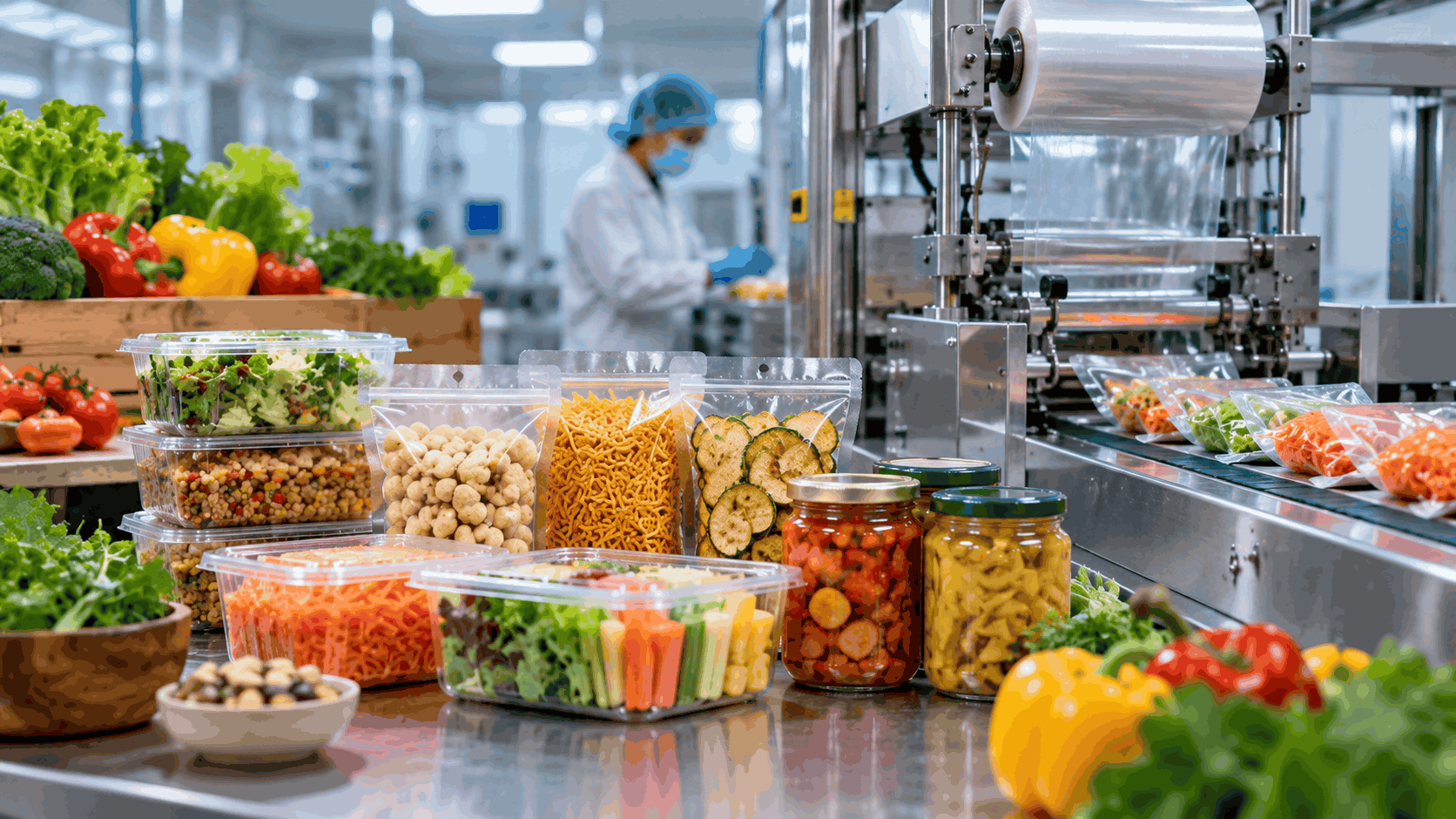
Extending the shelf life of processed foods is an important priority for food manufacturers, retailers, and consumers. During storage and transportation, food products can experience changes in flavour, texture, colour, and nutritional quality. Microbial growth, oxidation, moisture changes, and unsuitable storage conditions can also contribute to spoilage. As the food industry evolves, emerging technologies are creating new opportunities to maintain product quality and reduce avoidable food waste.
Processed Food Shelf Life Extension involves using appropriate processing, preservation, and packaging methods to keep food safe and acceptable for longer under defined storage conditions. From high-pressure processing to advanced packaging solutions, modern technologies are helping manufacturers explore alternatives and improvements to traditional preservation methods.
Why Shelf Life Extension Matters
Shelf life influences product quality, distribution planning, inventory management, and consumer satisfaction. Effective preservation can help manufacturers reduce product losses, improve supply-chain efficiency, and deliver consistent products to different markets.
Extending shelf life does not necessarily guarantee that food remains safe, as proper storage and handling are also essential. Every product requires a suitable combination of formulation, processing, packaging, and storage conditions. Manufacturers must validate their methods and conduct appropriate testing before making shelf-life claims.
Emerging Food Preservation Technologies
High-Pressure Processing
High-pressure processing (HPP) applies high pressure to help reduce harmful microorganisms in certain food products. It can help preserve the sensory characteristics of selected products while reducing reliance on conventional heat treatment.
HPP is used for applications such as certain juices, dips, and ready-to-eat foods. Its effectiveness depends on the product formulation, acidity, target microorganisms, and processing conditions. This technology requires specialised machinery and suitable packaging materials, which may increase overall production costs.
Advanced Thermal Processing
Thermal processing continues to be one of the most widely used methods for preserving food and maintaining its quality. Pasteurisation and commercial sterilisation help control microorganisms when processes are appropriately designed, validated, and monitored.
Modern thermal processing systems can provide more precise control over temperature and processing time. For suitable products, this can help manufacturers balance microbial control with flavour, texture, and nutritional quality. The correct process depends on factors such as acidity, composition, packaging format, and intended storage conditions.
Modified Atmosphere Packaging
Modified atmosphere packaging (MAP) changes the gas composition inside a package to help slow certain deterioration processes. Depending on the product, gases such as nitrogen, carbon dioxide, and oxygen may be used in controlled proportions.
MAP can support freshness and shelf life in selected foods by limiting oxidation or slowing the growth of certain spoilage microorganisms. However, it does not sterilise food or eliminate every food safety risk. Suitable packaging materials, reliable seals, temperature control, and hygienic handling remain essential.
For additional information, read our related article on how Modified Atmosphere Packaging helps keep food fresh.
Active and Intelligent Packaging
Emerging packaging technologies aim to provide protection beyond conventional containment. Active packaging may help manage oxygen or moisture, depending on the system, while intelligent packaging can use indicators or sensors to provide information about product conditions.
These approaches may help manufacturers monitor packaging performance and manage quality during distribution. Nevertheless, their suitability depends on the food, regulatory requirements, cost, and demonstrated effectiveness. Packaging innovations must be evaluated carefully before commercial use.
Benefits and Challenges of Modern Preservation
Shelf Life Extension Technologies can help manufacturers reduce avoidable spoilage, improve distribution planning, and maintain consistent product quality. When selected appropriately, they may also support food waste reduction by helping products remain acceptable for longer under specified conditions.
Despite these advantages, adopting new technologies can require substantial investment, specialised equipment, trained staff, and product-specific validation. Some methods may affect taste, texture, or appearance, while others are suitable only for particular food categories.
Effective Food Spoilage Prevention therefore requires more than one preservation method. Manufacturers should combine appropriate processing with hygienic production, suitable packaging, controlled storage, and regular quality assessments. Product-specific testing is essential to establish a reliable shelf life.
Businesses can learn about EXIITO's quality assurance processes, which include incoming material checks, in-process control, finished-product inspections, and traceability. These practices illustrate the importance of consistent quality management in food manufacturing.
Future Trends in Food Preservation
Future developments in Emerging Food Preservation Technologies may include improved non-thermal processing, smarter packaging materials, better monitoring systems, and more precise control of manufacturing conditions. These approaches could help manufacturers evaluate product quality more effectively and identify suitable preservation options for different applications.
Sustainability will also remain important. Reducing food waste can support more efficient resource use, but new technologies should be assessed for energy consumption, packaging requirements, operating costs, and overall environmental impact.
Research, pilot trials, and documented validation will remain essential for determining whether a technology is appropriate for a particular product. Manufacturers should base decisions on reliable evidence rather than assuming that every new method will improve shelf life.
EXIITO's R&D and Quality Control information explains how product development, sampling, process trials, and quality checks contribute to informed manufacturing decisions. The suitability of any specific preservation technology must still be assessed for the intended product.
Conclusion
Emerging technologies are expanding the options available for processed food shelf life extension. High-pressure processing, advanced thermal treatment, modified atmosphere packaging, and intelligent packaging each offer potential benefits when appropriately matched to a product.
Maintaining Food Safety and Quality requires a complete approach that combines validated preservation methods, suitable packaging, hygienic manufacturing, and controlled storage conditions.