
Introduction
Food safety is one of the most important responsibilities in the food manufacturing industry. Consumers expect products that are hygienic, safe, consistent, and suitable for consumption. To meet these expectations, food manufacturers must implement effective safety management systems that control potential risks throughout production. Two essential approaches are Hazard Analysis and Critical Control Points (HACCP) and Good Manufacturing Practices (GMP).
HACCP and GMP in food production work together to prevent contamination, maintain product quality, and establish reliable manufacturing processes. While GMP focuses on maintaining hygienic production environments and standard operating procedures, HACCP identifies, evaluates, and controls potential food safety hazards. Understanding both systems helps manufacturers build stronger food safety management systems and improve operational efficiency.
Understanding HACCP in Food Manufacturing
HACCP is a structured food safety management system designed to identify, assess, and control potential hazards throughout the food manufacturing process. It focuses on preventing problems before they occur rather than relying only on finished-product inspections.
HACCP principles in food processing involve identifying biological, chemical, and physical hazards that could affect product safety. Biological hazards may include harmful microorganisms, while chemical hazards can involve cleaning residues or unintended chemical contamination. Physical hazards may include metal fragments, glass, or other foreign materials.
Manufacturers evaluate these risks at different production stages, establish critical control points, define acceptable limits, and monitor processes to ensure that safety requirements are maintained. Corrective actions and proper documentation help businesses respond effectively when deviations occur.
Implementing HACCP in the food industry also supports better process management, product consistency, and compliance with applicable food safety requirements.
Understanding Good Manufacturing Practices (GMP)
Good Manufacturing Practices (GMP) are essential guidelines that help food manufacturers maintain clean, organised, and controlled production environments. GMP standards in food production cover the everyday activities, facilities, equipment, employees, and procedures involved in manufacturing.
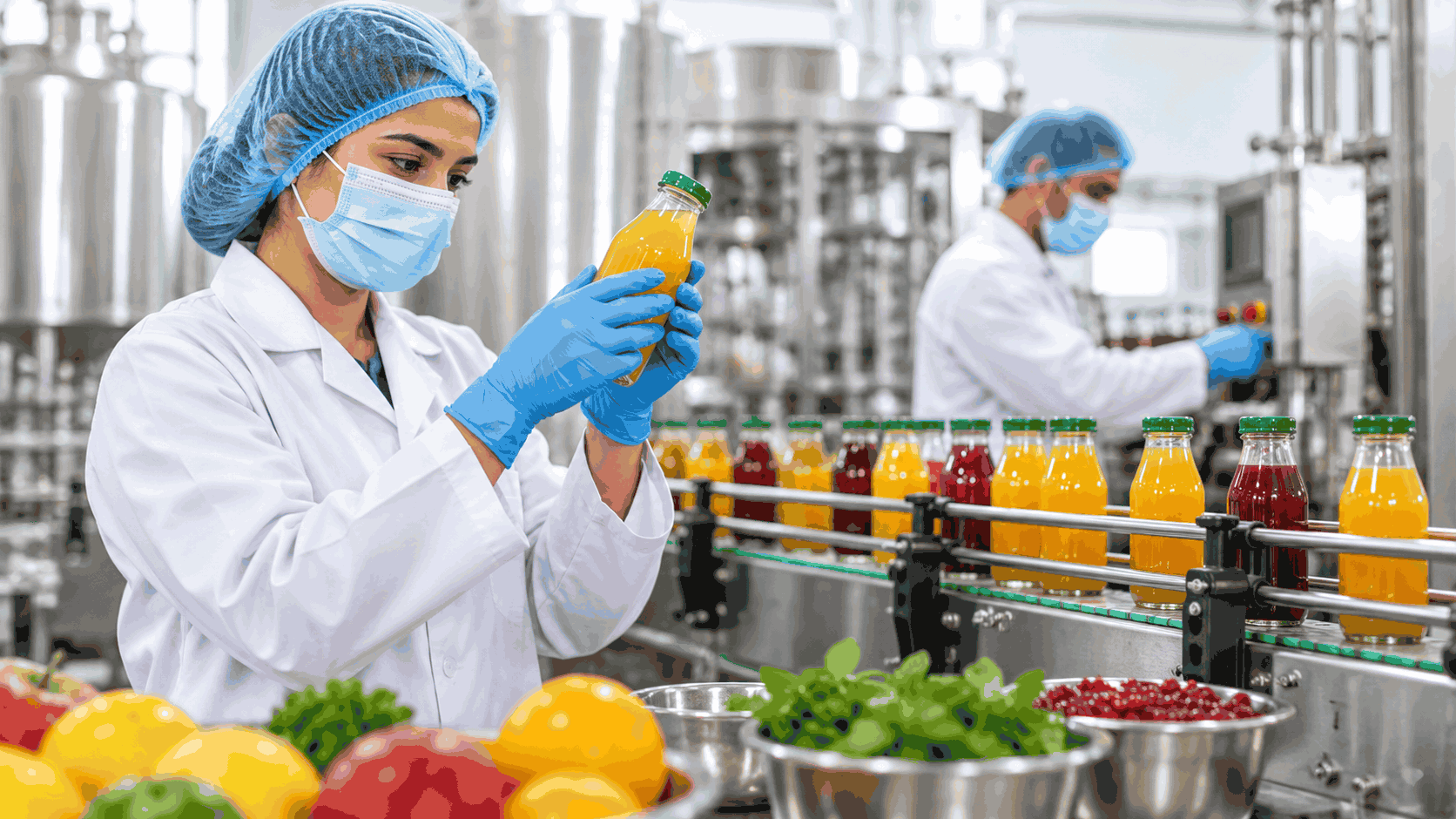
Effective GMP implementation begins with maintaining proper personal hygiene among employees. Workers should follow appropriate handwashing procedures, wear suitable protective clothing, and follow hygiene instructions when entering production areas.
Facility cleanliness is equally important. Manufacturing equipment, processing surfaces, storage areas, and production floors must be cleaned and maintained according to established sanitation schedules. Raw materials should be stored appropriately, while finished products must be protected from contamination during packaging and storage.
GMP also emphasises employee training, pest control, equipment maintenance, and documented operating procedures. These practices create a structured manufacturing environment where food safety becomes part of everyday operations.
How HACCP and GMP Work Together
HACCP and GMP are complementary systems that strengthen food safety procedures and guidelines. GMP establishes the basic hygiene and operational conditions required for safe production, while HACCP focuses on controlling specific hazards that may arise during processing.
For example, a beverage manufacturing facility must maintain clean processing equipment, hygienic water handling, suitable storage conditions, and trained personnel. These are important GMP considerations. HACCP builds on these foundations by identifying potential hazards during ingredient preparation, processing, filling, sealing, and packaging.
When both approaches are implemented effectively, manufacturers can establish stronger preventive food safety measures. They also improve production monitoring, maintain consistent operating procedures, and create records that support inspections and internal reviews.
Essential Food Safety Practices in Manufacturing Facilities
Maintaining Hygiene and Sanitation
Food processing hygiene standards require regular cleaning and sanitisation of production equipment, utensils, pipelines, and work surfaces. Manufacturers should establish documented cleaning schedules and verify that sanitation activities are completed correctly.
Monitoring Raw Materials and Production
Incoming ingredients and packaging materials should be checked against established specifications before entering production. During manufacturing, operators should monitor relevant process parameters and identify deviations before they affect finished products.
Preventing Food Contamination
Food contamination prevention requires proper separation of raw materials, finished products, chemicals, and waste. Controlled employee movement, suitable protective equipment, pest management, and appropriate storage practices help reduce contamination risks.
Maintaining Documentation and Traceability
Accurate documentation is an important part of food safety compliance in manufacturing. Production records, cleaning logs, inspection reports, ingredient details, and batch information help manufacturers investigate problems and maintain accountability throughout the supply chain.
Benefits and Challenges of Implementing HACCP and GMP
Effective HACCP and GMP implementation offers several operational benefits. It helps reduce contamination risks, improves manufacturing discipline, supports consistent product quality, and strengthens consumer confidence. Documented procedures also make it easier to identify production issues, investigate deviations, and prepare for audits.
However, implementation requires continuous commitment. Employee training, equipment maintenance, regular monitoring, documentation, and periodic reviews demand time and resources. Smaller manufacturers may also face challenges when establishing suitable systems and assigning responsibilities.
These challenges can be managed through practical training programmes, clearly defined procedures, regular internal inspections, and management involvement. Food safety should be treated as an ongoing responsibility rather than a one-time compliance activity.
The Future of Food Safety Management Systems
Modern food manufacturing is increasingly adopting digital monitoring, automated inspection systems, and electronic recordkeeping to strengthen quality control. These technologies can improve production visibility, support faster identification of process deviations, and make batch traceability more efficient.
As consumer expectations and regulatory requirements continue to evolve, manufacturers will need to strengthen preventive controls, improve employee awareness, and regularly review their food safety management systems.
Conclusion and CTA
HACCP and GMP are essential foundations for safe, hygienic, and consistent food production. By combining hazard identification with effective manufacturing practices, businesses can reduce contamination risks, improve operational control, and maintain product quality.
For food manufacturers, investing in hygiene, preventive controls, employee training, and proper documentation is essential for building long-term trust and maintaining reliable production standards.
At EXIITO Beverages, food safety discipline, hygiene practices, process control, and batch traceability are important considerations across manufacturing operations. Explore our food safety and quality assurance practices to learn more about our approach to responsible food manufacturing.
Looking for a reliable food manufacturing partner? Contact EXIITO to discuss your manufacturing requirements and business opportunities.