
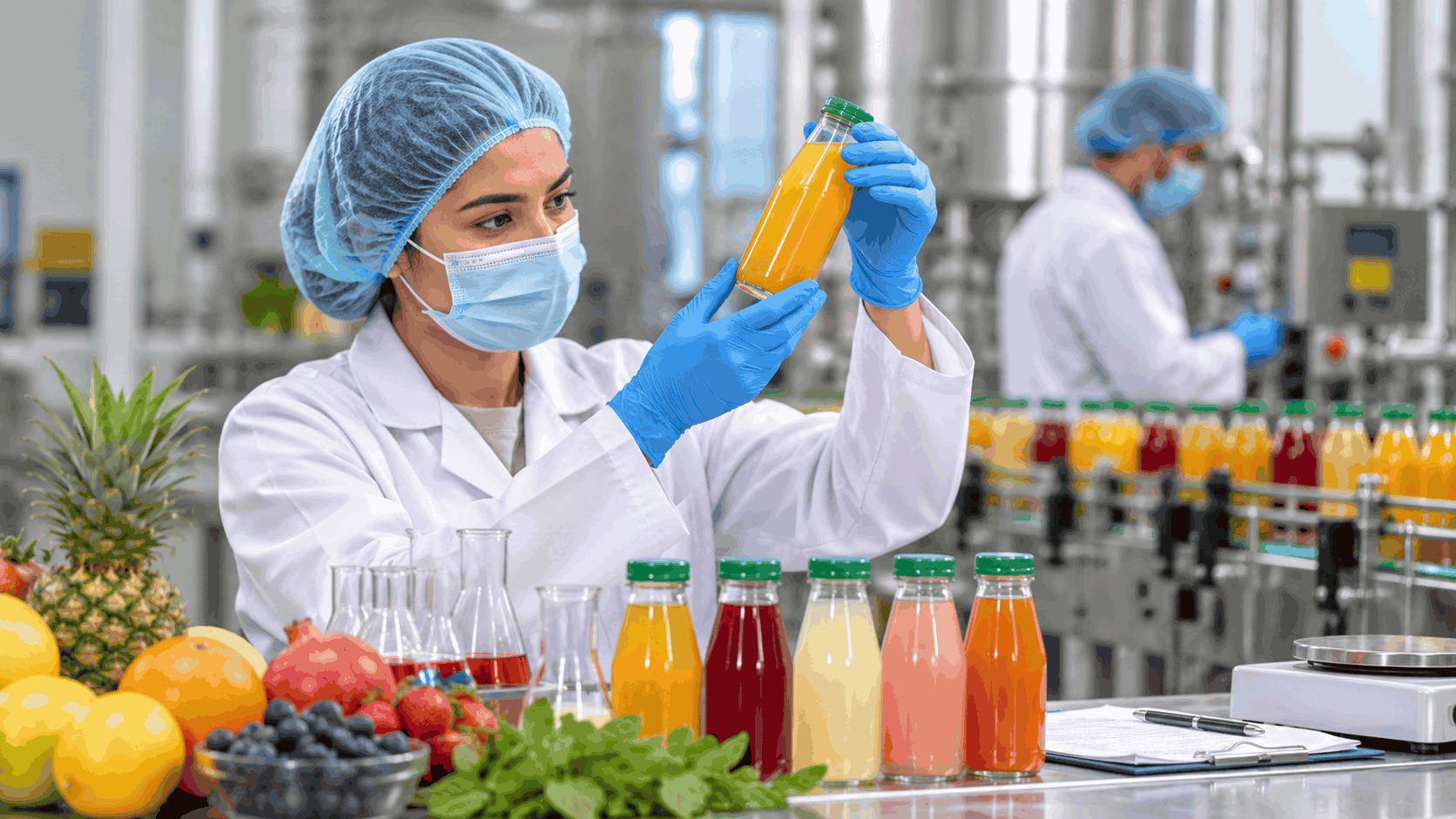
Introduction
Quality plays an important role in the success of every food and beverage manufacturing business. Consumers expect products to be safe, consistent, fresh and suitable for consumption. Meeting these expectations requires systematic monitoring at every stage of production. This is why Quality Control in Food and Beverage Manufacturing is essential for maintaining product standards, protecting consumer health and building long-term brand trust.
From selecting raw materials to inspecting finished products, manufacturers must follow appropriate quality procedures to minimise errors and maintain consistency. Effective quality management also helps businesses meet regulatory requirements, improve production efficiency and strengthen their position in a competitive food industry.
What Is Quality Control in Food and Beverage Manufacturing?
Quality control refers to the processes, inspections and testing methods used to ensure that food and beverage products meet predefined quality and safety requirements. It involves monitoring ingredients, production conditions, processing methods, packaging and finished goods.
An effective food and beverage quality management system helps manufacturers identify potential problems before products reach consumers. These procedures may include physical, chemical and microbiological testing, depending on the product category and applicable requirements.
Quality control is not limited to final product inspection. It is a continuous process that supports consistency throughout the entire production cycle. Manufacturers can learn more about EXIITO's quality assurance systems, which cover incoming checks, in-process control, finished goods inspection and traceability.
Importance of Quality Inspection at Every Production Stage
Raw Material Quality Inspection
The quality of finished products begins with the ingredients used during manufacturing. Raw materials must be inspected before entering the production process to verify their condition, specifications, freshness and suitability.
Raw material quality inspection may involve checking ingredient characteristics, supplier documentation, storage conditions and relevant test reports. Packaging materials should also be examined to ensure they are suitable for food contact and meet the required specifications.
Proper inspection helps prevent unsuitable materials from affecting product quality and supports reliable food processing quality assurance.
Maintaining Hygiene and Food Safety
Cleanliness and hygiene are essential components of food safety and quality control. Manufacturing facilities must maintain suitable sanitation procedures for equipment, production areas, storage spaces and employee handling practices.
Following applicable food safety requirements, Good Manufacturing Practices (GMP) and Hazard Analysis and Critical Control Points (HACCP) principles helps manufacturers identify potential hazards and establish appropriate preventive controls.
These food manufacturing quality standards support safer production environments and reduce the risk of contamination during processing. Manufacturers can also refer to EXIITO's food manufacturing and company practices to understand its focus on hygiene and food safety.
Quality Inspection During Production
Quality inspection in food processing should continue throughout manufacturing rather than being limited to incoming materials and final products.
Manufacturers need to monitor relevant production parameters, equipment performance, processing conditions and product specifications. In beverage manufacturing, factors such as taste, colour, consistency, formulation, filling accuracy and packaging integrity may require regular verification.
These checks help identify variations early and allow production teams to take corrective action before quality issues affect larger batches.
Finished Product Quality Testing
Finished product quality testing is an important step before products are approved for dispatch. It helps confirm whether the final product meets its approved specifications and applicable safety requirements.
Depending on the product, testing may include appearance, taste, aroma, texture, pH, Brix, acidity, microbiological quality and packaging checks. Beverage quality control standards may also require specific formulation, stability and shelf-life assessments.
Maintaining appropriate inspection records and batch documentation improves accountability and supports consistent product quality.
Benefits of Effective Food Quality Assurance Practices
Conclusion and CTA
Quality control is a fundamental part of successful food and beverage manufacturing. From raw material inspection and hygienic production to finished product testing, every stage contributes to product safety, consistency and customer satisfaction.
Manufacturers that invest in effective quality control procedures can improve operational performance, maintain product standards and build lasting consumer trust. As the food industry continues to evolve, adopting better testing methods, process monitoring and traceability systems will remain important for sustainable business growth.
Looking for a reliable food and beverage manufacturing partner? EXIITO offers own-brand food products and manufacturing solutions across beverages, namkeen, makhana and pickles. Explore our food manufacturing services or contact EXIITO to discuss your manufacturing requirements.