
Introduction
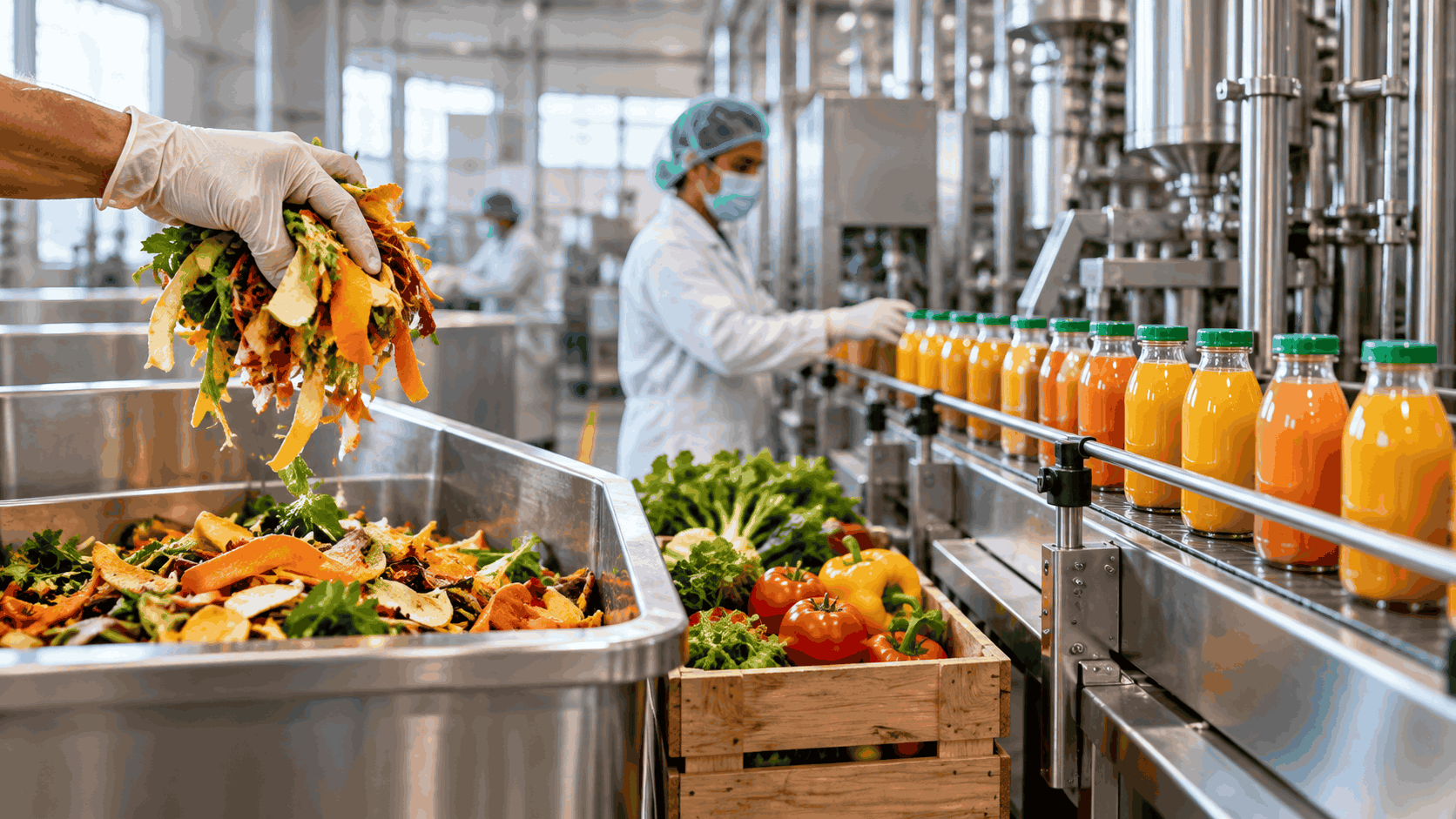
Food manufacturing is a complex process involving raw material procurement, processing, packaging, storage, and distribution. At every stage, inefficient operations can lead to material losses, higher production costs, and reduced profitability. For manufacturers, Food Manufacturing Waste Reduction is not simply an environmental responsibility; it is also an important business strategy.
As competition increases across the food and FMCG industries, manufacturers must find better ways to manage resources, streamline operations, and maintain consistent product quality. By adopting efficient production methods, improving inventory management, and using modern manufacturing technologies, businesses can reduce unnecessary waste while improving overall productivity.
Understanding Waste in Food Manufacturing
Food manufacturing waste can occur at different stages of production. Common examples include damaged raw materials, incorrect ingredient measurements, processing losses, rejected products, packaging defects, and expired inventory.
Poor production planning, inadequate storage conditions, equipment problems, and inconsistent quality checks can contribute to these losses. Identifying where waste occurs is the first step towards effective waste management in food processing.
Manufacturers should regularly evaluate their production activities to identify recurring problems. Monitoring material usage, production output, and rejected batches can help businesses understand where improvements are needed.
Effective Strategies for Food Manufacturing Waste Reduction
Improve Raw Material and Inventory Management
Raw materials represent a significant part of food production costs. Poor inventory management can result in expired ingredients, excess stock, spoilage, and unnecessary purchasing.
Manufacturers can reduce food waste in manufacturing by maintaining accurate inventory records, monitoring expiry dates, and following appropriate stock rotation practices such as First-In, First-Out (FIFO). Proper storage conditions also help preserve ingredient quality and minimise spoilage.
Accurate demand forecasting allows production teams to purchase materials according to actual requirements rather than maintaining unnecessary inventory.
Optimise Manufacturing Processes
Manufacturing process optimisation helps businesses identify inefficient activities and improve production workflows. Reviewing processing methods, equipment performance, ingredient handling, and production schedules can reveal opportunities to minimise losses.
Standardised operating procedures help employees follow consistent production practices. Regular equipment maintenance can also reduce unexpected breakdowns, product defects, and production interruptions.
These improvements contribute directly to better food production efficiency and more consistent manufacturing outcomes.
Implement Quality Control at Every Stage
Quality control plays an important role in preventing unnecessary product rejection. When defects are identified only after production is complete, manufacturers may lose ingredients, packaging materials, labour, and processing time.
Implementing quality checks during raw material inspection, processing, filling, packaging, and final inspection helps identify problems earlier.
Regular monitoring of product specifications, hygiene practices, and processing conditions can reduce avoidable rework and support consistent product quality.
Adopt Lean Manufacturing Practices
Lean manufacturing in the food industry focuses on eliminating activities that do not add value to the final product. These activities may include excessive movement, unnecessary waiting time, overproduction, excess inventory, and avoidable processing steps.
Manufacturers can review their production layouts, improve material handling, and coordinate different departments to create smoother workflows.
By reducing operational inefficiencies, lean manufacturing helps businesses improve productivity without compromising established quality requirements.
Use Technology to Monitor Production
Modern manufacturing technologies provide opportunities to improve operational visibility and decision-making. Digital inventory systems, automated weighing equipment, production monitoring tools, and process-control systems can help manufacturers track resource consumption and identify inconsistencies.
Production data can also help managers compare actual material usage with planned requirements. This makes it easier to identify unusual losses, investigate recurring issues, and implement corrective actions.
Technology-supported monitoring can strengthen manufacturing efficiency while improving production planning.
Benefits of Reducing Food Production Waste
Effective food processing waste reduction offers several business advantages. Lower material losses can improve resource utilisation and support food production cost reduction. Better inventory management can reduce spoilage and unnecessary purchasing, while improved production planning can minimise downtime.
Consistent manufacturing processes can also reduce rejected batches, improve product reliability, and support customer satisfaction.
Furthermore, sustainable food manufacturing practices help businesses use resources more responsibly. Reducing unnecessary waste, improving packaging utilisation, and managing production by-products appropriately can contribute to more responsible operations.
Challenges and Future Trends in Food Manufacturing
Although waste reduction offers significant benefits, manufacturers may face challenges when introducing new systems. Limited investment budgets, outdated machinery, employee training requirements, and resistance to operational changes can slow implementation.
However, the future of food manufacturing is increasingly influenced by automation, digital monitoring, predictive maintenance, and data-driven production planning.
Manufacturers are also paying greater attention to resource efficiency, sustainable packaging, and responsible ingredient sourcing. Businesses that continuously evaluate their processes and adopt suitable improvements will be better positioned to manage changing production requirements.
Conclusion
Food Manufacturing Waste Reduction requires a systematic approach involving inventory management, quality control, process optimisation, employee training, and technology adoption. By addressing inefficiencies at every production stage, manufacturers can reduce avoidable losses, control operating costs, and improve overall productivity.
For food businesses looking to strengthen their manufacturing capabilities, choosing the right production partner is equally important.
Looking for reliable food manufacturing solutions? Explore EXIITO's manufacturing capabilities and discover how EXIITO supports businesses across beverages, namkeen, makhana, flour, and pickles. For manufacturing enquiries, contact the EXIITO team to discuss your requirements.