
Introduction
Customers expect consistent food quality with every purchase. Regardless of the product type, manufacturers must maintain food safety, product quality, and consistency.
Maintaining these standards requires systematic testing at multiple stages of the manufacturing process. However, conventional testing procedures may involve longer turnaround times, delaying the identification of potential problems.
Rapid testing methods can help manufacturers obtain certain test results sooner and respond to potential quality concerns. These methods support faster sample analysis, contaminant detection, and quality-control decisions. When selected according to product and process requirements, modern testing technologies can support more efficient quality control.
What Are Rapid Food Testing Methods?
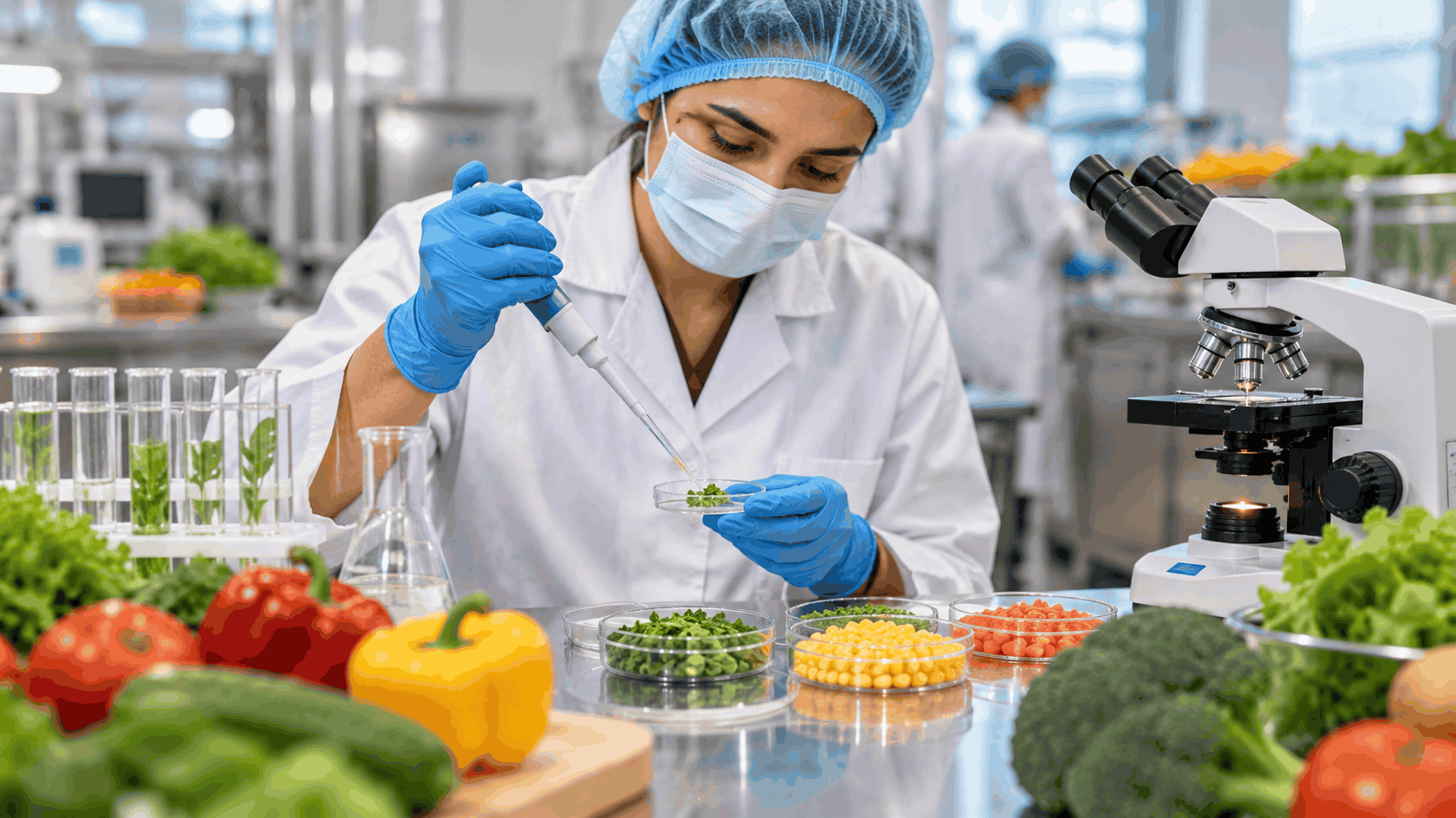
Rapid food testing methods are analytical techniques designed to deliver results in less time than many conventional laboratory procedures. Depending on the method, testing can help identify microorganisms, measure chemical properties, and assess other food safety and quality parameters.
Rapid testing can support quality control across the production cycle, from raw material inspection to finished-product evaluation.
For example, beverage manufacturers must monitor water quality, verify ingredient requirements, and maintain effective equipment-cleaning procedures. Rapid testing can help quality teams identify potential issues early and determine whether additional investigation is necessary.
Timely, reliable test results enable businesses to investigate and address potential problems before they escalate.
Types of Rapid Food Testing Methods
Rapid Microbiological Testing in Food
Microbial contamination can compromise food safety, product quality, and shelf life. Rapid microbiological methods can accelerate the detection of selected microorganisms compared with some conventional procedures.
Depending on the target microorganism, manufacturers may use molecular methods, immunoassays, or other validated detection systems. These tests can help detect foodborne pathogens and inform quality-control decisions.
Regular microbiological testing supports hygiene verification and monitoring of production environments. Although rapid results can accelerate investigations, certain methods require confirmatory laboratory analysis.
Rapid Chemical Testing in Food
Chemical analysis helps manufacturers evaluate ingredients and finished products for selected substances and quality parameters.
The choice of testing equipment depends on the application and may include test strips, portable instruments, sensors, or laboratory systems. These methods support the assessment of water quality, raw materials, and selected chemical parameters.
Food processing companies may assess incoming water against relevant quality specifications before use. If test results indicate that incoming water does not meet the required specifications, the team can investigate and take corrective action before using it in production.
Modern Food Testing Technologies
Advances in testing and monitoring technology are expanding the options available to food manufacturers. Current food testing technologies include automated analytical instruments, biosensors, molecular detection platforms, and digital monitoring systems.
Some technologies are intended for laboratory analysis, whereas others support selected on-site measurements. Technology selection should reflect the product, the target hazard, and the required analytical performance.
These technologies help detect contamination more effectively when proper sampling methods, trained staff, and validated procedures are used.
How Rapid Testing Improves Food Quality Control
Faster Decisions During Production
Delays in receiving test results can affect production schedules and the release of finished products. Rapid testing can reduce turnaround times and support timely quality-control decisions.
Better Hygiene Monitoring
Routine monitoring of equipment, surfaces, ingredients, and production environments helps identify potential contamination risks. Combined with effective sanitation and employee hygiene practices, testing supports routine food safety management.
More Consistent Product Quality
Real-time monitoring can help manufacturers track defined process parameters and identify deviations. Monitoring temperature and relevant chemical parameters can help operators detect deviations before they affect additional products.
Because continuous monitoring is not feasible for every quality parameter, manufacturers must select methods suited to their processes.
More Efficient Laboratory Work
Rapid testing can help laboratories prioritise samples and accelerate the investigation of potential quality concerns. Conventional laboratory methods remain essential for detailed analysis, confirmatory testing, and procedures requiring specified reference methods.
Benefits for Food Manufacturers and Suppliers
Investing in appropriate food quality-control testing can support product safety and operational efficiency.
- Reduced production downtime: Timely results can support quicker investigations and decisions.
- Improved product consistency: Routine testing helps identify variations and supports consistent product quality.
- Improved supplier quality management: Incoming material testing helps verify compliance with established specifications.
- Enhanced customer confidence: Consistent quality assurance demonstrates a commitment to product safety.
- More effective quality management: Testing records support trend analysis, problem identification, and process improvement.
These benefits are relevant across the food supply chain, including beverage manufacturing, packaged food production, ingredient supply, and distribution.
Challenges and Future Trends
Despite its benefits, rapid testing requires careful evaluation and implementation. Equipment costs, staff training, sample preparation requirements, and ongoing maintenance can all affect implementation.
Manufacturers must also consider whether a testing method provides sufficiently accurate and reliable results for its intended use. A testing method must be appropriate for the food matrix and the target substance. Certain rapid tests are designed for screening and require confirmatory analysis before definitive conclusions can be drawn.
Automation, portable analytical devices, advanced sensors, and digital recordkeeping are likely to play a growing role in food quality management. These developments may enable manufacturers to integrate test results with production records and improve their response to quality concerns.
Businesses should assess their testing requirements before investing in equipment, rather than prioritising speed alone.
Conclusion
When appropriately selected and validated, rapid testing methods can support efficient quality control and earlier investigation of potential safety or quality issues. Appropriate microbiological and chemical testing methods can support informed decisions throughout production.
Effective quality control combines appropriate testing technologies, trained personnel, sound hygiene practices, validated methods, and routine monitoring. Rapid testing is useful only when the results are accurate, properly understood, and followed by the necessary corrective actions.