
Introduction
Food safety begins long before the first bite. From the first ingredient to the final package, every step makes a difference. One small handling error can put the safety and quality of an entire batch at risk . Preventing cross-contamination is essential to protecting consumers and maintaining food safety.
Cross-contamination happens when harmful microorganisms, allergens, chemicals, or foreign materials move from one ingredient, surface, piece of equipment, or product to another. For example, using the same equipment for raw ingredients and ready-to-eat food without proper cleaning can create serious food safety risks.
The good news is that simple but effective practices, from proper hygiene to employee training, can significantly reduce food safety risks. The right food safety practices help businesses keep consumers safe and deliver consistent quality in every product.
What Is Cross-Contamination in Food Processing?
Food safety can be compromised when unwanted contaminants enter products at any stage of handling, processing, or storage. Even well-equipped food processing facilities can face contamination risks when hygiene practices are overlooked.
Common types of cross-contamination include:
- Microbial contamination: Bacteria and other microorganisms can spread through contaminated ingredients, water, hands, or food-contact surfaces.
- Allergen contamination: Even small amounts of unintended allergens can compromise the safety of products intended to be allergen-free.
- Chemical contamination: Cleaning chemicals or unsuitable lubricants can contaminate food if they are stored or handled improperly.
- Physical contamination: Glass fragments, metal pieces, plastic, or other foreign materials may enter products during manufacturing.
Understanding these risks helps manufacturers select appropriate food contamination prevention methods for their products and production processes.
Common Causes of Cross-Contamination
Cross-contamination does not always result from a major equipment failure. Often, contamination
Practical Ways to Prevent Cross-Contamination
Keep Production Areas Organized
A well-planned production layout makes it easier to maintain hygiene. Where possible, raw ingredients should be handled separately from cooked, processed, or ready-to-eat products.
Food manufacturers should establish clear routes for ingredients, employees, packaging materials, and finished products. Separate storage areas, dedicated utensils, and controlled movement between zones can further reduce the risk of contamination.
Follow Proper Cleaning and Sanitization Procedures
Cleaning and sanitization are essential parts of food processing hygiene practices. Cleaning removes food particles, grease, and visible dirt, while sanitization helps reduce microorganisms on appropriately cleaned surfaces.
Manufacturers should create cleaning schedules for equipment, floors, worktables, storage areas, and food-contact surfaces. Procedures should clearly explain which cleaning products to use, how to apply them, and how to verify that cleaning has been completed effectively.
For example, when a production line switches from one product to another, the equipment should be cleaned according to the facility's approved procedure before production begins again.
Train Employees in Safe Food Handling
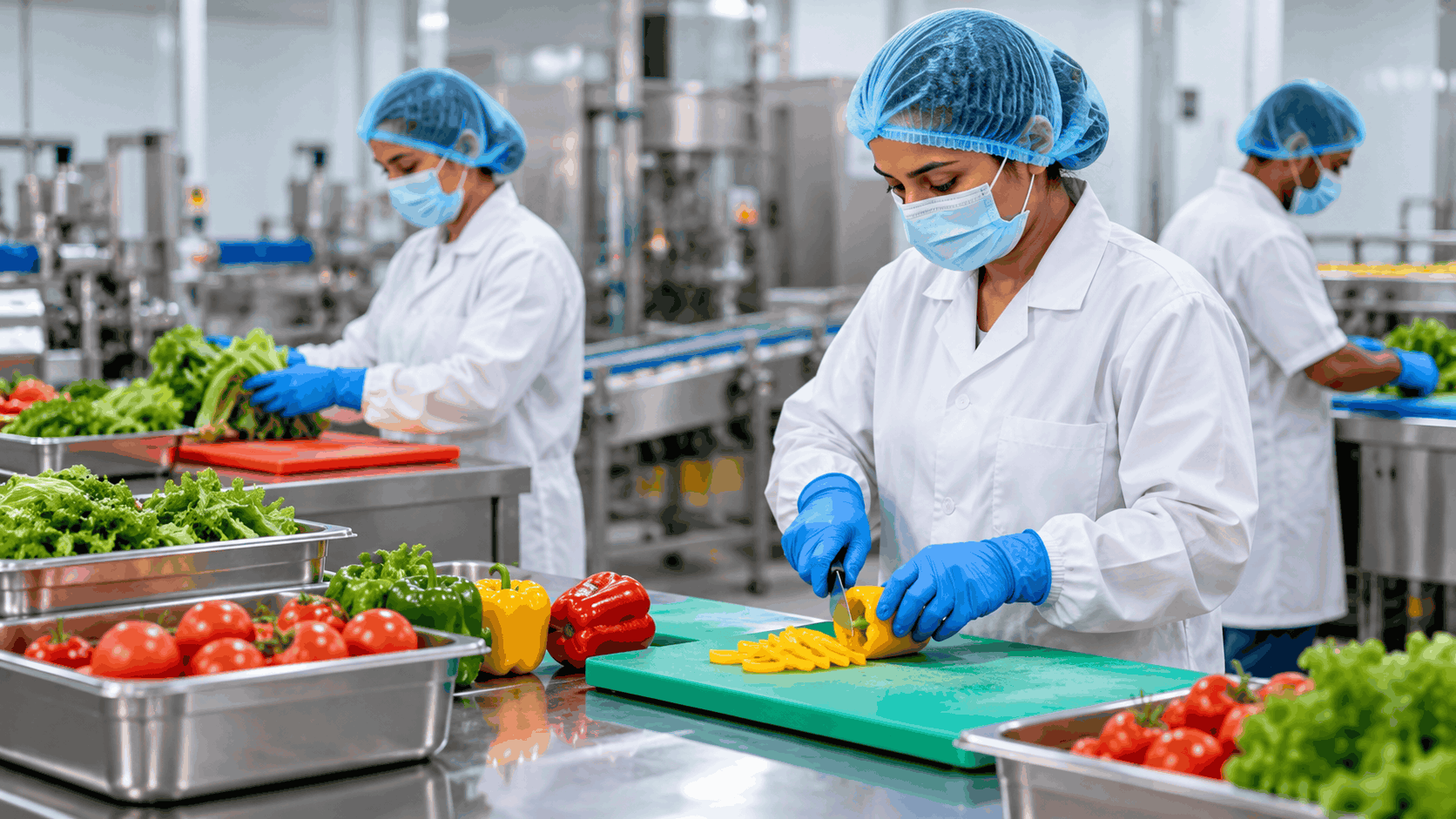
Employees need to understand how their daily actions affect food safety. Regular training should cover handwashing, protective clothing, glove use, personal hygiene, and the correct handling of ingredients.
Workers should also know when equipment needs cleaning and how to report damaged tools, spills, or hygiene concerns. Simple instructions, clear signage, and regular supervision can help make safe practices part of everyday operations.
Prevent Allergen Cross-Contamination
Allergen management requires particular attention when a facility handles different types of food products. Manufacturers should identify allergenic ingredients, store them appropriately, and use clear labels and handling procedures.
Where equipment is shared, suitable cleaning and changeover procedures should be followed to prevent allergen residues from entering other products. Production schedules and ingredient records should also be managed carefully to reduce the risk of accidental mixing or incorrect labelling.
Monitor Hygiene and Product Quality
Regular inspections help identify problems before they affect finished products. Depending on the facility's risks, manufacturers may use environmental swabbing, microbiological testing, allergen testing, and cleaning verification.
Records of cleaning, inspections, and corrective actions help teams understand recurring problems and improve their procedures. Testing should support preventive controls rather than replace good hygiene and manufacturing practices.
Benefits for Food Manufacturers and Suppliers
Effective cross-contamination control measures can benefit businesses throughout the food supply chain.
- Better product safety: Appropriate preventive measures reduce the risk of contaminated food reaching consumers.
- Less waste: Effective controls can help prevent rejected batches, unnecessary disposal, and avoidable production interruptions.
- Consistent quality: Standardized procedures help maintain reliable production conditions across different shifts and batches.
- Greater customer confidence: Retailers, distributors, and business customers value suppliers that take food safety seriously.
- Improved compliance readiness: Clear procedures and accurate records help manufacturers demonstrate how they manage food safety risks.
For manufacturers, these benefits support both daily operations and long-term business relationships.
Challenges and Future Trends
Maintaining food safety can be challenging when facilities have limited space, shared equipment, frequent product changeovers, or large workforces. Keeping procedures consistent across every shift also requires ongoing training and supervision.
Technology can help address some of these challenges. Digital cleaning records, automated monitoring systems, and rapid testing methods can make it easier to identify potential issues and respond promptly. However, these tools must be suitable for the facility and supported by trained employees and effective procedures.
As food production becomes more complex, manufacturers will need to keep reviewing their hygiene practices, identifying new risks, and improving their food safety management systems.
Conclusion
Preventing cross-contamination in food processing requires attention at every stage of production. Proper cleaning, employee hygiene, allergen management, organized workflows, and regular quality checks all play an important role in protecting food safety.
Rather than treating hygiene as a task that needs to be completed only during inspections, manufacturers should make it a daily priority. Consistent practices help reduce risks, maintain product quality, and build trust with customers and business partners.