
Introduction
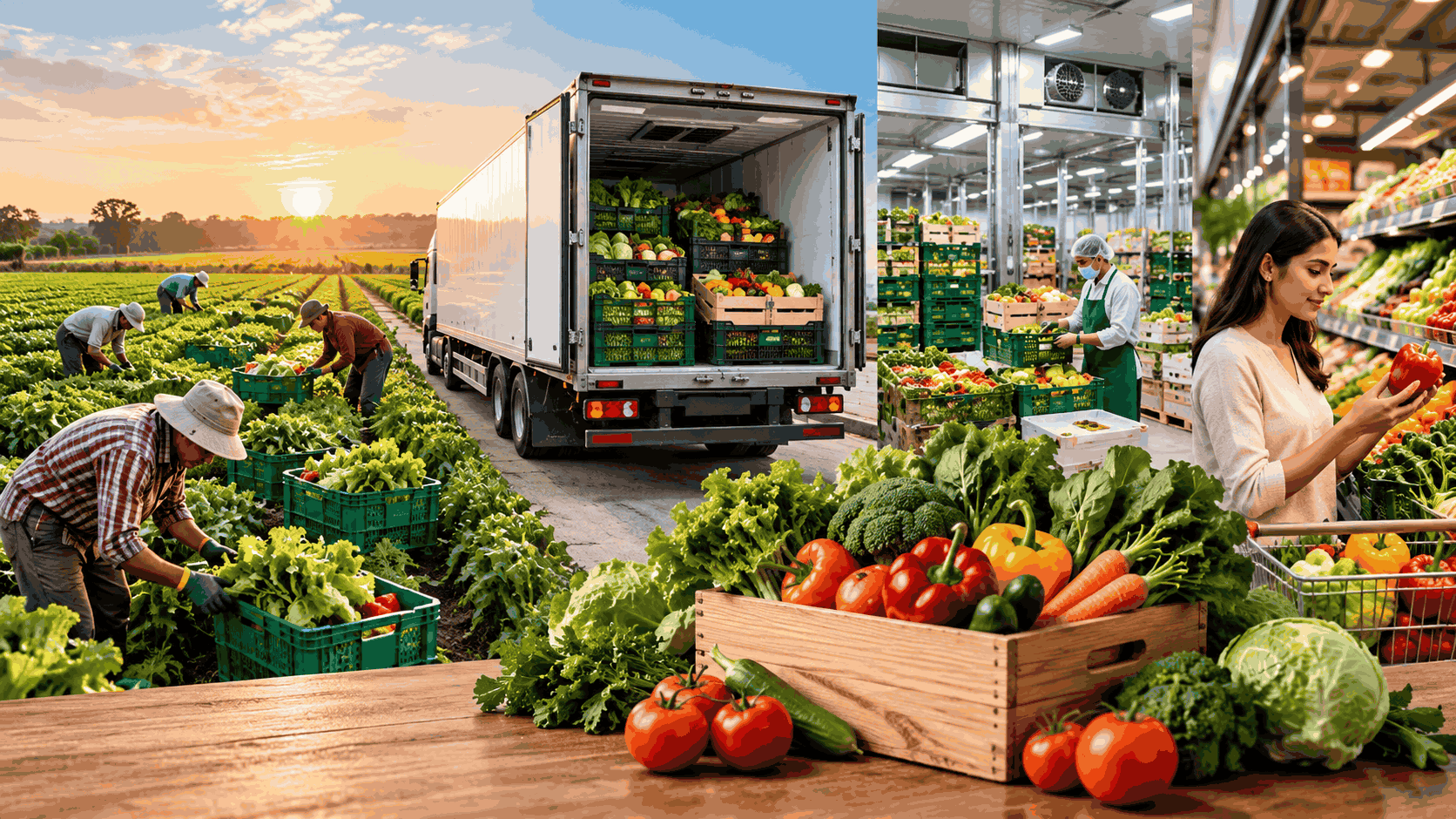
Food loss is a major challenge for farmers, food manufacturers, distributors, retailers, and other businesses involved in the food supply chain. Products can lose quality or become unsuitable for consumption because of improper handling, inadequate storage, inefficient transportation, damaged packaging, and poor inventory management. These problems can increase operating costs, reduce profitability, and waste valuable natural resources.
The Food and Agriculture Organization of the United Nations (FAO) highlights food loss and waste as important challenges for sustainable food systems. Effective food loss reduction requires coordinated action at every stage, from harvesting raw materials to delivering finished products to customers. By improving storage practices, strengthening quality control, using suitable packaging, and managing inventory efficiently, businesses can protect food quality and build a more sustainable supply chain.
Improve Post-Harvest Handling and Storage
Reduce losses at the source
Post-harvest loss reduction begins with proper handling immediately after harvesting. Fruits, vegetables, grains, and other agricultural products may deteriorate when exposed to unsuitable temperatures, excessive moisture, physical damage, or unhygienic conditions.
Farmers and suppliers can minimise these risks through careful harvesting, appropriate sorting, clean handling equipment, and suitable storage facilities. Separating damaged products from healthy produce can also help prevent quality problems from spreading through stored inventory.
Storage requirements should be determined based on the product’s specific properties and preservation needs. Some foods require refrigeration, while others need dry, well-ventilated storage. Maintaining appropriate temperature and humidity levels can help preserve quality and reduce avoidable spoilage.
Strengthen Food Storage and Transportation
Food storage and transportation play an essential role in maintaining product quality between production and consumption. Long transit times, unsuitable vehicles, temperature fluctuations, and poor loading practices can contribute to food loss.
Businesses handling perishable products should use transportation and storage systems appropriate to their products. Where refrigeration is necessary, temperature monitoring can help identify deviations that require investigation. Vehicles and storage areas should also be kept clean and maintained properly.
Packaging should protect products against moisture, contamination, pressure, and physical damage during transit. Businesses can explore smart packaging and food quality monitoring to understand how suitable monitoring and tracking technologies may support better product handling.
Improve Inventory Management in the Food Industry
Poor inventory management can cause products to remain in storage beyond their intended selling period. Overordering, inaccurate demand forecasts, and inadequate stock rotation may result in expired products, unnecessary disposal, and financial losses.
An effective inventory management system helps businesses monitor stock quantities, batch numbers, manufacturing dates, expiry dates, and product movement. The first-expired, first-out (FEFO) approach prioritises products with the earliest expiry dates for dispatch or sale, provided they remain safe and suitable for use.
Demand forecasting can also help businesses align purchasing and production with expected sales. Reviewing historical sales, seasonal demand, customer orders, and current inventory can reduce overproduction and unnecessary stock accumulation.
Regular inventory checks and clear procedures for handling damaged or slow-moving products further strengthen food waste prevention efforts.
Use Appropriate Food Preservation and Packaging Techniques
Food preservation techniques can help maintain quality and extend the usable life of products when they are appropriate for the food and properly validated. Depending on the product, suitable methods may include refrigeration, freezing, drying, thermal processing, and approved preservation systems.
Packaging also helps protect food from environmental exposure and physical damage. Selecting the right packaging material, closure, and format can reduce leakage, moisture transfer, contamination, and transport-related damage. However, packaging alone cannot compensate for unsuitable processing or storage conditions.
Manufacturers should evaluate preservation methods and packaging formats through appropriate product development and testing. EXIITO's research and development and quality control activities include product formulation, process testing, recipe refinement, raw material evaluation, and final product quality inspections.
Strengthen Quality Control and Traceability
Consistent quality checks help businesses identify potential problems before affected products move further through the supply chain. Incoming raw materials should be assessed against defined specifications, while production processes and finished products should undergo suitable checks.
Traceability records can help businesses identify the origin, batch, and movement of products when a quality issue occurs. Accurate records support faster investigations, targeted product withdrawal where necessary, and better communication between suppliers, manufacturers, and distributors.
A documented quality assurance system can support incoming inspections, in-process controls, finished-goods release, and batch traceability. These practices help businesses identify recurring issues and improve their food supply chain management over time.
Build a More Sustainable Food Supply Chain
Reducing food loss can help businesses use resources more efficiently. When less food is damaged or discarded, companies may reduce avoidable spending on raw materials, processing, packaging, storage, and transportation.
Creating a sustainable food supply chain requires collaboration among farmers, suppliers, manufacturers, logistics partners, retailers, and customers. Sharing relevant information and maintaining proper handling standards can help protect food throughout its journey. Employee training, supplier assessments, performance monitoring, and regular process reviews can also help maintain consistent practices.
Technology can support these efforts through digital inventory systems, temperature sensors, demand forecasting, and traceability tools. The UN Environment Programme's overview of food loss and waste explains why reducing losses throughout food systems is important for resource efficiency and sustainability. Businesses should select solutions based on their operational needs, product risks, and available resources rather than adopting technology without a clear purpose.
Challenges and Future Trends
Food loss reduction can be difficult when businesses face limited storage infrastructure, inconsistent transportation conditions, fragmented records, or high implementation costs. Small businesses may also lack access to advanced monitoring systems.
Practical improvements can begin with better staff training, routine stock checks, clear storage procedures, and accurate recordkeeping. As digital tools become more accessible, businesses may increasingly use connected monitoring and data analysis to identify inefficiencies and make informed decisions.
Progress should be measured using relevant indicators, such as spoilage rates, damaged stock, expired inventory, product rejection rates, and avoidable disposal. Regular reviews help businesses identify which interventions are effective and where further improvements are needed.
Conclusion
Effective food loss reduction depends on coordinated action across harvesting, storage, transportation, manufacturing, and distribution. Better inventory management, suitable packaging, validated preservation methods, and reliable quality control can help businesses protect food quality while reducing avoidable waste.
For food manufacturers and supply chain partners, continuous improvement and clear communication are essential to achieving lasting results.