
Introduction
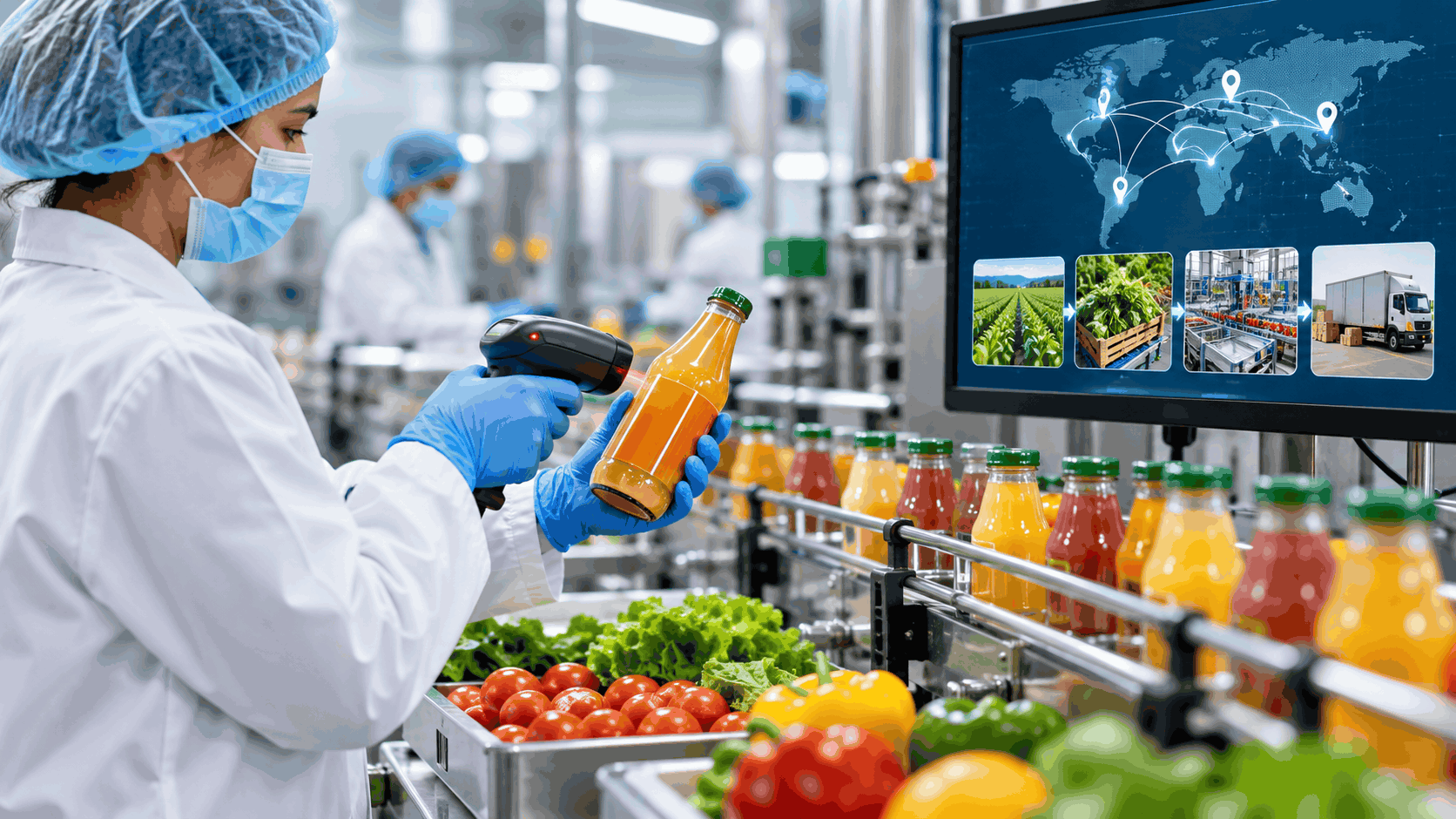
Food safety is a critical responsibility for every food manufacturer, processor, distributor, and retailer. As supply chains become more complex, tracking products from raw material sourcing to final delivery is essential. Digital traceability in food safety helps businesses record, monitor, and retrieve product information throughout the supply chain. By maintaining accurate digital records, food businesses can improve transparency, identify potential risks, and respond more effectively to food safety concerns. Companies such as EXIITO Beverages operate in the food manufacturing sector, where quality control, process documentation, and product accountability are important considerations.
What Is Digital Traceability in Food Safety?
Digital traceability refers to using digital technologies to track food products, ingredients, and materials throughout the supply chain. It involves recording supplier details, batch numbers, production dates, processing activities, storage conditions, and distribution information.
Unlike traditional paper-based methods, digital food safety management systems organise records electronically, making information easier to retrieve and review. Depending on the technology used, these systems can also support real-time food tracking and improve communication between suppliers, manufacturers, warehouses, and retailers.
How Digital Traceability Supports Food Safety Management
Improving Food Supply Chain Traceability
Food supply chain traceability enables businesses to follow ingredients and finished products through different stages of production and distribution. Digital systems connect supplier records, manufacturing information, and dispatch details to create a clearer history of product movement.
This visibility helps businesses identify ingredient sources, investigate possible contamination, and determine which batches may be affected by a quality issue. For manufacturers, maintaining documented production processes is particularly important. For example, EXIITO's contract manufacturing services describe documented production, quality expectations, and traceable batch records as part of its manufacturing approach.
Strengthening Food Safety Management Systems
Effective food safety management systems depend on accurate documentation, regular monitoring, and timely corrective action. Digital tools can simplify recordkeeping by organising inspection reports, quality checks, cleaning schedules, and production records in one accessible system.
Quality assurance teams can review records more efficiently, identify missing information, and support internal audits. Digital documentation can also help businesses maintain records required by applicable food safety regulations.
However, technology alone cannot guarantee food safety. Proper hygiene, employee training, suitable storage conditions, and established quality control procedures remain essential.
Enabling Faster Food Recall Management
When a food safety issue occurs, identifying affected products quickly is crucial. Digital food product tracking helps businesses locate specific batches, review production histories, and identify relevant suppliers or distribution destinations.
This information supports more targeted food recall management and helps teams coordinate corrective action. Accurate records can also reduce unnecessary disruption by helping businesses distinguish affected batches from products that are not implicated in the issue.
Key Benefits of Food Traceability Technology
Food traceability technology offers several practical advantages. First, it can improve operational efficiency by reducing manual recordkeeping and making information easier to access. Automated data collection can further minimise transcription errors when properly implemented.
Second, digital traceability supports food quality and safety by connecting ingredient information with production records and quality checks. Businesses can investigate deviations, recognise recurring issues, and make informed decisions about corrective measures.
Third, better documentation improves communication between manufacturers, suppliers, distributors, and retailers. It also supports inventory management by helping businesses track materials used in production and identify the finished products associated with particular batches.
Businesses exploring manufacturing partnerships can learn more about EXIITO's food manufacturing services, which include private-label, white-label, contract, third-party, OEM, and ODM manufacturing.
Challenges in Implementing Digital Traceability
Despite its benefits, digital traceability requires careful planning. Initial investment may include software, hardware, employee training, system integration, and maintenance. Smaller businesses can begin by digitising essential records and gradually expanding their systems.
Data accuracy is another challenge. Incomplete batch numbers, inconsistent recordkeeping, and poor communication between supply chain partners can weaken traceability. Businesses must also consider cybersecurity, access permissions, data protection, and system reliability.
Standardised batch identification, clear documentation procedures, regular employee training, and periodic system reviews can help address these challenges.
Future Trends in Digital Food Safety Management
Digital food safety management is evolving through technologies such as cloud-based platforms, the Internet of Things (IoT), data analytics, and automated monitoring. Sensors can help monitor storage and transportation conditions, while analytics can identify unusual patterns that require investigation.
Blockchain technology may also support shared, tamper-resistant records across participating supply chain partners. However, its effectiveness depends on accurate source data and appropriate implementation.
As these technologies develop, food businesses can increasingly connect traceability with quality assurance, risk assessment, and inventory management.
Conclusion
Digital traceability in food safety helps businesses improve transparency, maintain reliable documentation, track products, and respond more effectively to potential food safety issues. Implementing suitable food traceability systems alongside established quality control practices can strengthen accountability throughout the supply chain.
For insights into food manufacturing, product development, and manufacturing partnerships, explore the official EXIITO Beverages website. You can also contact the EXIITO team to discuss your food manufacturing requirements and explore suitable business solutions.