
Introduction
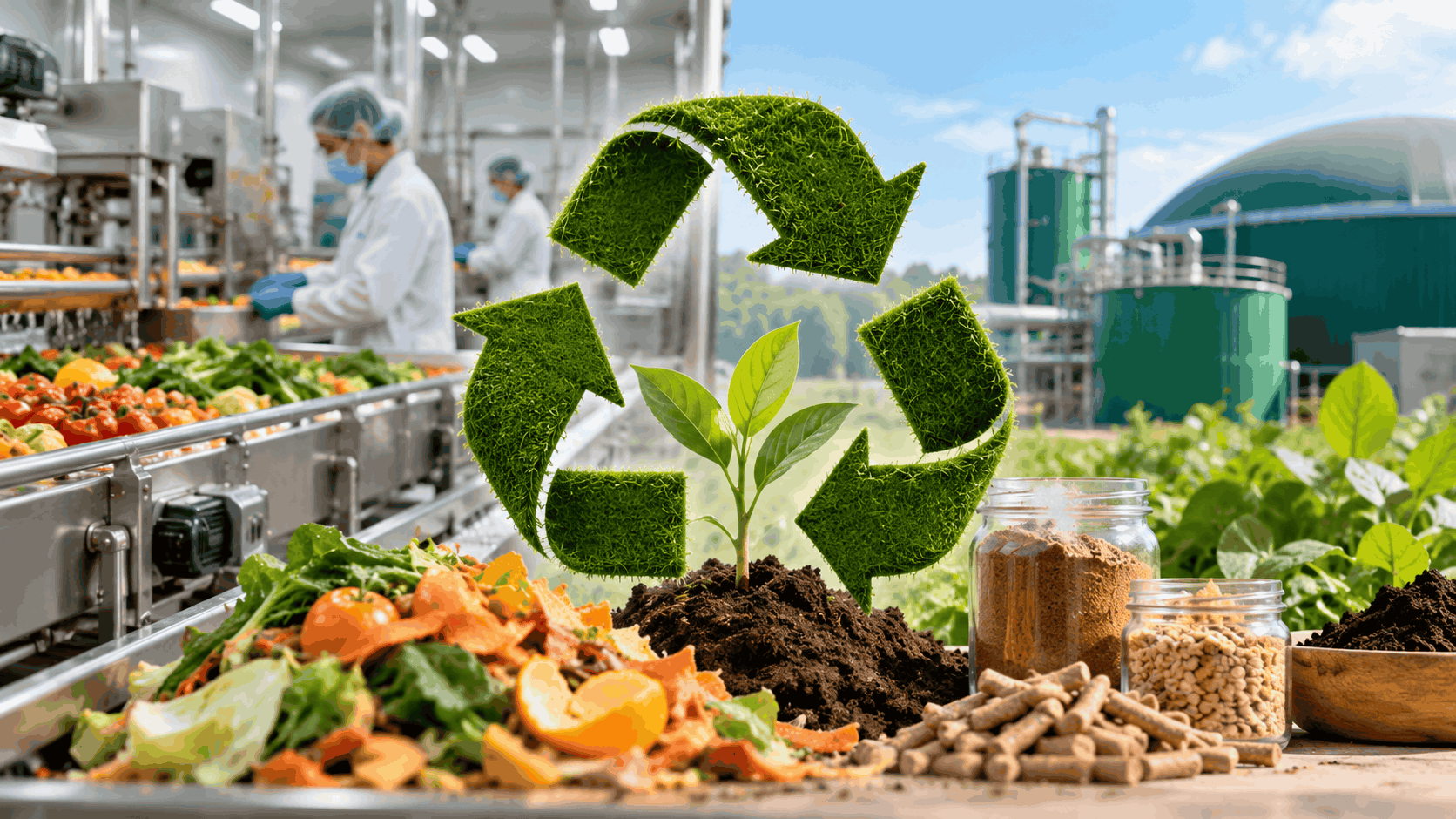
Food manufacturers consume significant amounts of raw materials, water, energy, and packaging every day to produce essential food products. During production, some materials remain unused, ingredients are wasted, and by-products are generated. Managing these losses can be challenging for businesses that want to control costs and reduce their environmental impact.This is where the circular economy plays an important role in food manufacturing. Instead of treating leftover materials as waste, a circular economy looks for ways to reduce, reuse, recycle, and recover resources wherever possible. For food manufacturers, this approach helps improve production efficiency, optimize raw material usage, and adopt more sustainable business practices.
What Does a Circular Economy Mean for Food Manufacturers?
In simple terms, a circular economy means getting more value from the resources a business already uses. Rather than following the traditional approach of producing goods and throwing away the leftovers, companies look for ways to keep materials in use for longer.In food manufacturing, this could mean finding useful applications for fruit peels, vegetable trimmings, grain husks, and other processing by-products. Depending on their quality and suitability, these materials can be repurposed for animal feed, composting, or the production of valuable ingredients. These changes help businesses move towards sustainable food manufacturing while reducing unnecessary waste throughout the production process.
Practical Circular Economy Practices in Food Manufacturing
Reducing Food Waste During Production
The first step is to identify where food waste occurs. Poor storage, inaccurate demand forecasting, damaged ingredients, and inefficient production processes can all lead to unnecessary losses. For example, food manufacturers can improve inventory management by using the first-in, first-out (FIFO) method, ensuring that older stock is used before newer stock. Regular equipment maintenance and careful ingredient handling can also help prevent spoilage and product loss. These measures help reduce food waste during manufacturing and improve the efficient use of purchased ingredients.
Finding New Uses for Food Waste
Not all leftover materials need to be discarded in landfills. Food waste recycling and reuse can help manufacturers identify alternative uses for suitable materials. For instance, some fruit and vegetable waste can be converted into compost, while certain organic by-products may be suitable for animal feed or biogas production. The most suitable option depends on food safety standards, local regulations, and the condition of the material. Separating waste at the source and working with appropriate recovery partners can make food manufacturing waste management more effective.
Turning By-Products into Valuable Resources
Converting food by-products into valuable resources is another key aspect of the circular economy. It focuses on turning materials left over from food processing into products that have practical or commercial value. Consider a company that processes citrus fruits. Instead of discarding all the peels, it may explore recovering pectin or essential oils for suitable applications. Similarly, certain grain processing by-products can be used in animal feed or other approved applications.These opportunities allow manufacturers to explore additional uses for existing resources. However, businesses should assess processing costs, product quality, safety requirements, and market demand before investing in a new recovery process.
Using Water, Energy, and Materials Wisely
Sustainable food processing involves more than just managing solid waste. Water, electricity, fuel, and packaging also play an important role in manufacturing efficiency. Companies can inspect equipment for leaks, improve cleaning procedures, maintain refrigeration systems, and review packaging materials to identify unnecessary resource consumption. When suitable, treated water can be reused in processes that comply with applicable hygiene and safety standards. Small operational improvements can make resource use more efficient while helping businesses manage production expenses.
Benefits and Business Opportunities
Better Cost Management
When manufacturers reduce ingredient losses and use water and energy more efficiently, they may be able to lower some operating costs. Better production planning can also reduce unnecessary purchases and disposal expenses.
New Business Opportunities
By-products that were previously discarded can be repurposed as valuable raw materials for other industries. Food manufacturers can explore partnerships with ingredient processors, agricultural businesses, animal feed producers, and composting facilities. These partnerships can generate additional revenue while providing other businesses with valuable raw materials.
A More Connected Supply Chain
A circular supply chain in the food industry depends on cooperation between manufacturers, suppliers, distributors, and recycling partners. Sharing details about material quality, packaging, and waste quantities can help businesses discover mutually beneficial opportunities.
Improved Environmental Performance
Reducing waste and using resources efficiently can help companies achieve their environmental goals while promoting sustainable food production throughout the supply chain.
Challenges and Future Trends
Although circular economy practices offer clear opportunities, putting them into action takes planning. Some by-products require special handling, recycling facilities may not be readily available, and the cost of recovering materials may exceed their potential value. Food safety is another important consideration. Any recovered material intended for reuse must meet the relevant quality, hygiene, and regulatory requirements. A practical first step is to measure waste, identify the main sources of material loss, and implement improvements that suit the business’s needs. Companies can begin with simple changes before investing in larger projects. In the future, advanced waste-tracking systems, better sorting technologies, reusable packaging, and stronger industrial partnerships could help more food manufacturers implement circular economy practices.
Conclusion
The shift towards a circular economy in food manufacturing is about making better use of what businesses already have. By minimizing food waste, using resources more efficiently, and repurposing by-products, manufacturers can achieve more sustainable and cost-effective production. Progress does not always require major changes from the beginning. Identifying preventable losses and implementing practical solutions is an important first step towards building a more sustainable food industry.