
Introduction
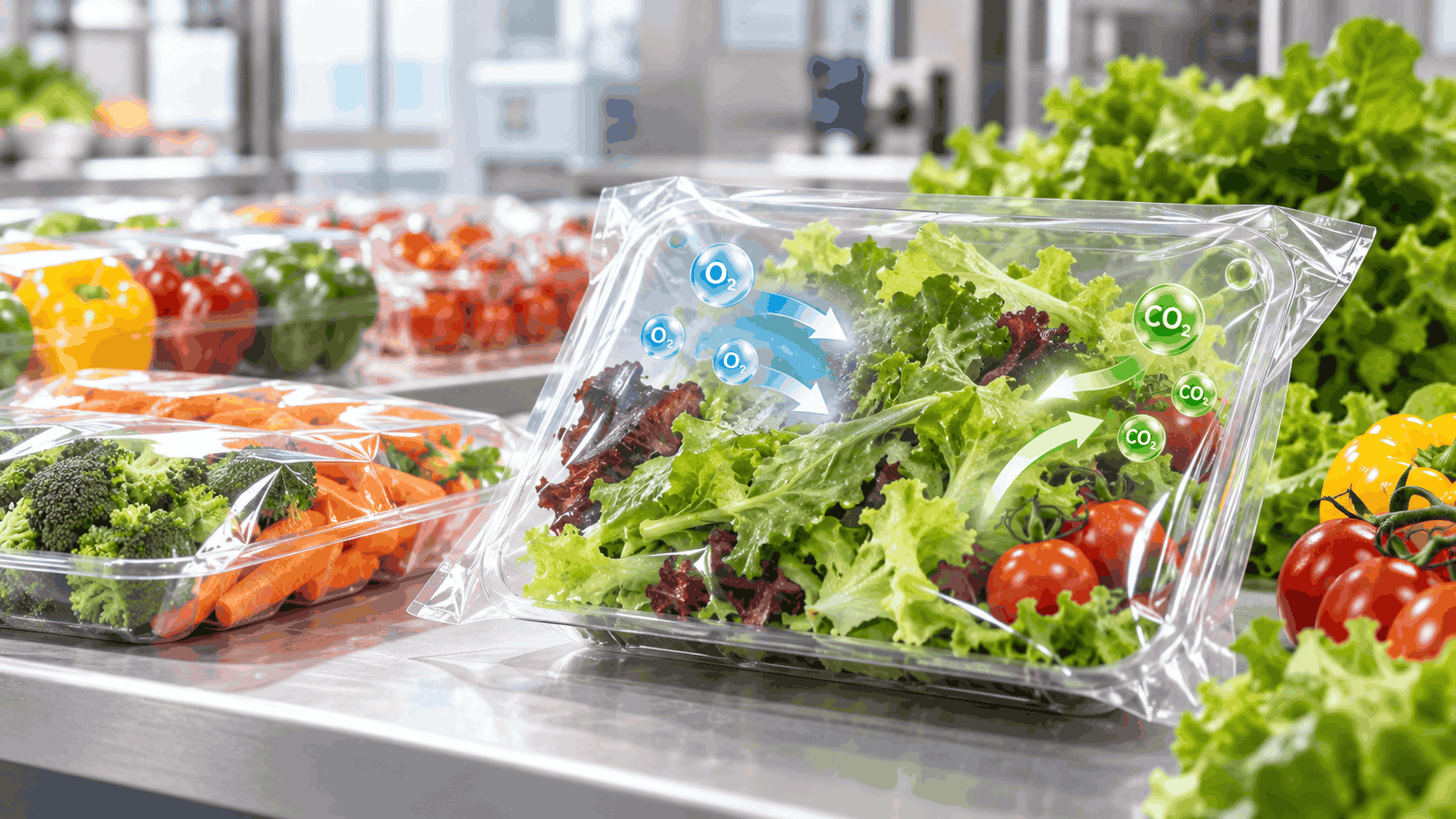
Maintaining food freshness, quality, and safety is a major priority for food manufacturers, retailers, and consumers. During storage and transportation, food can be affected by oxygen, moisture, temperature, and microbial activity. These factors may change its flavour, texture, colour, and shelf life. Modified Atmosphere Packaging (MAP) is a food packaging technique that helps manage some of these challenges by changing the composition of gases inside a package.
Today, MAP food packaging is used for various products, including fresh meat, poultry, seafood, bakery items, fresh produce, and selected ready-to-eat foods. When combined with suitable packaging materials and proper storage conditions, this technology can help maintain food quality and reduce avoidable spoilage.
What Is Modified Atmosphere Packaging?
Modified Atmosphere Packaging is a preservation method in which the air surrounding a food product is replaced or adjusted with a selected mixture of gases. The gas composition is chosen according to the food's characteristics, packaging requirements, and intended storage conditions.
Oxygen, carbon dioxide, and nitrogen are commonly used in MAP. Oxygen can support certain types of oxidation and microbial growth, although some products require oxygen to maintain their natural appearance. Carbon dioxide can help inhibit the growth of many spoilage microorganisms under suitable conditions, while nitrogen is an inert gas often used to displace oxygen and help prevent package collapse.
The appropriate gas mixture depends on the product. Therefore, Modified Atmosphere Packaging is not a single solution for every food category. Manufacturers must evaluate the food, packaging film, storage temperature, and distribution process before selecting a suitable system.
How MAP Helps Keep Food Fresh
Slowing Down Food Deterioration
Oxygen exposure can contribute to oxidation, which may affect the flavour, colour, and quality of foods containing fats and oils. Adjusting the atmosphere inside a package can help slow certain oxidation processes. For suitable products, this can support better food freshness and quality throughout storage and distribution.
The effectiveness of MAP depends on the food composition, gas mixture, seal integrity, and packaging material. Proper testing is essential to confirm that the selected packaging system performs as expected. Learn more about food packaging innovation and how packaging developments can support product protection.
Supporting Food Shelf Life Extension
One of the important Modified Atmosphere Packaging benefits is its potential to extend the usable shelf life of suitable food products. By controlling the gases surrounding food, manufacturers can slow selected deterioration processes and help preserve product quality for longer than conventional packaging may allow.
However, Modified Atmosphere Packaging (MAP) does not make food sterile or completely remove harmful microorganisms. Temperature control, hygienic production, suitable processing, and validated shelf-life testing remain essential parts of food safety and quality control. For further information, read EXIITO's guide to bottled beverage shelf life, storage, temperature, and quality.
Helping Maintain Product Appearance and Texture
Consumers often assess food quality through its appearance, texture, and freshness. The right atmosphere can help preserve selected characteristics of products such as fresh produce, meat, and bakery foods. Packaging materials also play an important role by providing appropriate barriers against gases and moisture.
Manufacturers must choose packaging that suits the specific product, as an unsuitable gas mixture or film may negatively affect quality instead of protecting it. The effectiveness of any packaging system should be confirmed through suitable product and shelf-life testing.
Common Applications of MAP Food Packaging
MAP food packaging is used across several food categories. Fresh meat and poultry may require carefully controlled gas mixtures to manage spoilage and maintain appearance. Bakery products can benefit from packaging approaches designed to slow mould growth and preserve texture. Fresh fruits and vegetables may need a balanced atmosphere that accounts for their respiration after harvesting.
Ready-to-eat foods and other perishable products may also benefit from modified atmospheres when the packaging system is designed and validated for the particular food. These applications demonstrate how modern food packaging innovation can support product quality when combined with appropriate processing and storage practices.
Challenges and Important Considerations
Although MAP offers useful advantages, it requires careful implementation. Packaging equipment, gas supply, suitable films, and quality checks can increase operating costs. Manufacturers must also ensure that packages are sealed correctly and that the intended gas composition is maintained throughout the product's shelf life.
Another important consideration is temperature management. MAP cannot compensate for poor refrigeration or unhygienic handling. Food businesses should establish suitable storage conditions and verify product safety through appropriate testing and documented procedures.
Reliable quality assurance and traceability processes can help manufacturers monitor product quality and identify issues during production and distribution. EXIITO also explains how modern food safety technologies can support broader food safety practices. In addition, its R&D and quality control services highlight the importance of product development, process checks, and quality evaluation.
The Future of Food Packaging Technology
Food packaging technology continues to develop as manufacturers look for practical ways to protect products, improve efficiency, and reduce food waste. MAP may be combined with improved barrier materials, packaging automation, and monitoring systems to support more consistent packaging performance. Related developments are explored in EXIITO's article on how smart packaging is changing food quality monitoring.
Sustainability is another important consideration. Businesses need to assess packaging material use, recyclability, product protection, and the environmental impact of the complete packaging system. Appropriate packaging can help reduce food losses, but the best solution depends on the product and its supply chain. EXIITO's article on sustainable food packaging solutions explores this wider industry focus.
Conclusion
Modified Atmosphere Packaging is an important food preservation technique that can help suitable products maintain freshness, quality, and shelf life. By adjusting the gases inside a package, manufacturers can slow certain deterioration processes and support better product protection. Successful implementation depends on selecting the right gas mixture, packaging material, storage conditions, and food safety controls.
For food businesses exploring packaging and manufacturing solutions, understanding these factors is an important step towards making informed decisions. Explore EXIITO's manufacturing capabilities and food manufacturing services to learn more about its capabilities for food and beverage brands. To discuss your business requirements, contact the EXIITO team.