
Introduction
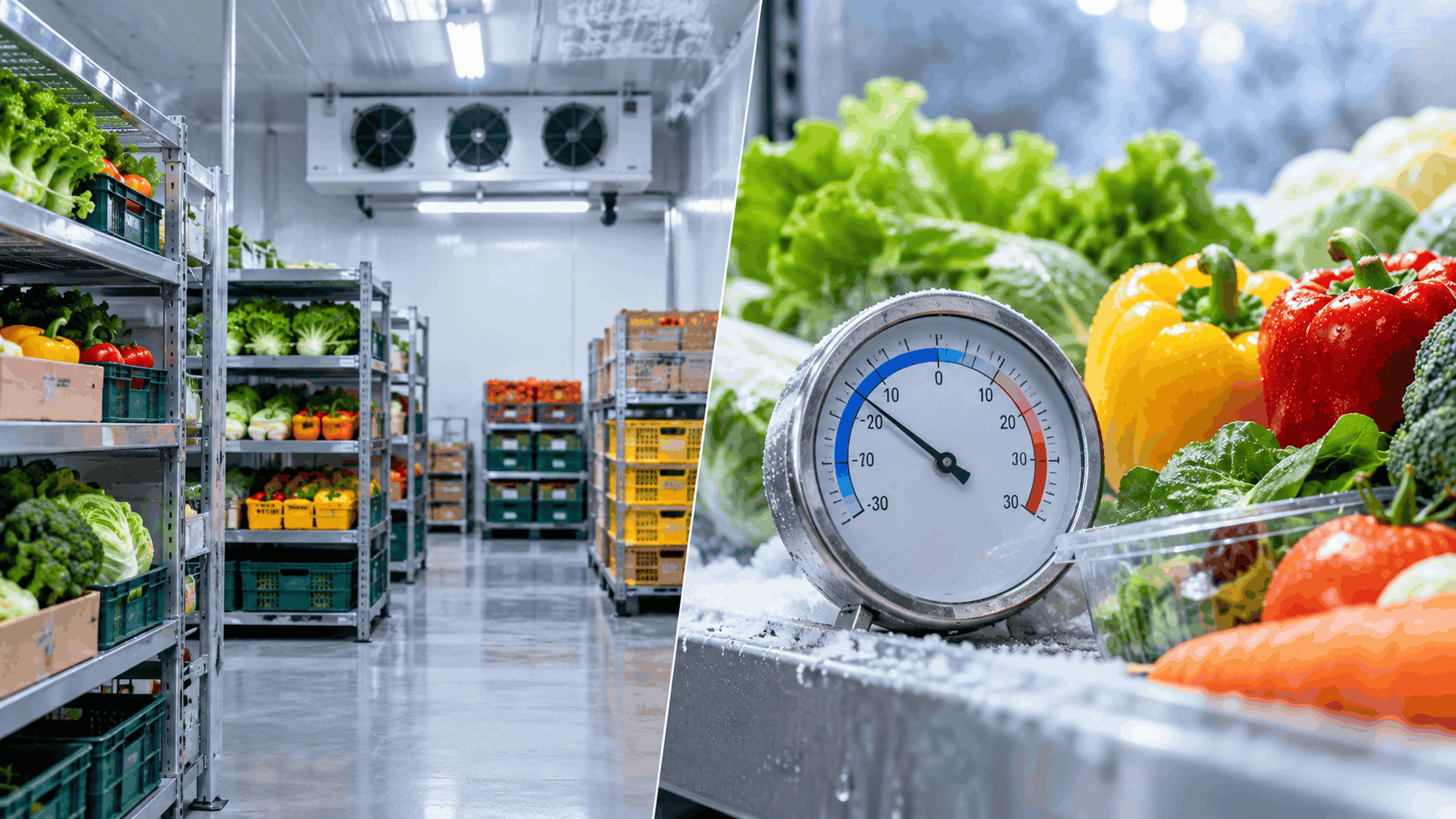
Temperature plays an important role in maintaining food quality, freshness, and safety. From raw material storage to manufacturing, transportation, and distribution, unsuitable temperatures can affect food texture, flavour, appearance, and shelf life. For food manufacturers and distributors, Temperature Control in Food Quality Management is essential for maintaining product consistency and reducing avoidable spoilage.
Different food products require different temperature conditions depending on their ingredients, processing methods, packaging, and storage requirements. By following appropriate temperature-control procedures, businesses can protect product quality, improve operational efficiency, and support reliable food safety practices.
Why Temperature Control Matters in Food Quality Management
Temperature influences the rate of many chemical, physical, and biological processes in food. High temperatures can speed up food spoilage, while improper refrigeration can encourage the growth of certain microorganisms. Temperature fluctuations can also affect the texture and stability of products, particularly those that require chilled or frozen storage.
Effective temperature management helps businesses maintain suitable conditions throughout the product's journey. It should be combined with hygienic handling, appropriate packaging, and validated processing procedures. For a broader understanding of these measures, explore EXIITO's information on quality assurance and product traceability.
Key Practices for Effective Temperature Control
Maintain Suitable Storage Temperatures
Temperature control in food storage begins with understanding the requirements of each product. Perishable foods may require refrigeration or freezing, while many dry ingredients should be stored in cool, dry conditions away from direct sunlight and moisture.
Businesses should follow product specifications and applicable food safety requirements rather than applying the same temperature range to every ingredient or finished product. Storage equipment should be inspected regularly to ensure it operates correctly, and temperature records should be maintained according to established procedures.
For packaged beverages, appropriate storage conditions are particularly important for preserving product quality throughout distribution. EXIITO's beverage storage and shelf-life guide provides further information about storage temperature and product quality.
Implement Regular Food Temperature Monitoring
Food temperature monitoring helps businesses identify unsuitable conditions before they create larger quality problems. Facilities can monitor temperatures using manual checks, calibrated thermometers, data loggers, or digital sensors, depending on their operational requirements.
For example, a temperature alert in a refrigerated storage area can notify staff when conditions move outside the approved range. Employees can then investigate the cause, assess the affected products, and take appropriate corrective action.
Digital monitoring systems can also improve recordkeeping and help identify recurring equipment or handling issues. EXIITO's article on modern food safety technologies explains how digital monitoring can support food safety management.
Strengthen Cold Chain Management
Cold chain management involves maintaining suitable temperature conditions for products that require temperature-controlled handling from production through transportation and delivery. A break in the cold chain may compromise food quality or safety, depending on the product, the temperature reached, and the duration of exposure.
Businesses should coordinate storage, loading, transportation, and receiving procedures to reduce temperature fluctuations. Vehicles and storage facilities should be suitable for the products being handled, while delivery teams should follow clear instructions for monitoring and reporting temperature deviations.
Good cold chain management also requires communication between suppliers, manufacturers, logistics providers, and retailers. For more insights, read EXIITO's article on how cold chain logistics help keep food fresh.
Temperature Control and Food Shelf Life Extension
Appropriate temperature management can slow certain deterioration processes and help suitable products retain their intended quality for longer. Refrigeration, for example, can slow the growth of many microorganisms in foods that require chilled storage. However, it does not eliminate all microorganisms or make food safe indefinitely.
Food shelf life extension must be established through appropriate product evaluation and testing. Businesses should consider the food's composition, processing method, packaging, storage conditions, and relevant safety requirements before setting a shelf-life period.
Temperature control should therefore be treated as one part of a broader food preservation strategy. For additional insights into monitoring and testing, read EXIITO's article on rapid testing methods for food quality control.
Challenges in Temperature Management
Maintaining consistent temperatures can be challenging when facilities experience equipment failures, power interruptions, transportation delays, or frequent door openings. Poor staff training and incomplete records may also make it difficult to identify where a temperature deviation occurred.
Food businesses can address these challenges by maintaining equipment, checking monitoring devices, training employees, and documenting corrective actions. Backup arrangements and clear escalation procedures can also help teams respond when refrigeration or monitoring systems fail.
Food quality management systems should define acceptable operating conditions, monitoring frequency, responsibilities, and procedures for handling affected products. EXIITO's food safety and certification information provides further context on hygiene practices, process controls, and traceability in food manufacturing.
Future Trends in Food Temperature Monitoring
Technology is creating new opportunities for more consistent temperature management. Connected sensors, automated alerts, digital records, and data analysis tools can help businesses monitor conditions across storage facilities and distribution networks.
Some systems can provide continuous readings and highlight unusual temperature patterns, helping teams investigate potential problems more quickly. Smart packaging may also use temperature indicators or sensors to provide additional information about product conditions during storage and transportation. Learn more in EXIITO's article on smart packaging and food quality monitoring.
Food businesses can also explore AI and digitalisation in the food industry to understand how digital tools may support monitoring, traceability, and operational decision-making. The value of these technologies depends on proper installation, calibration, reliable data, and timely corrective action.
Conclusion
Temperature Control in Food Quality Management helps food businesses maintain product consistency, reduce spoilage risks, and support food safety throughout storage and distribution. Suitable storage conditions, regular temperature monitoring, effective cold chain management, and documented quality procedures all contribute to better control.